Side Event at the 78th World Health Assembly
Introduction:
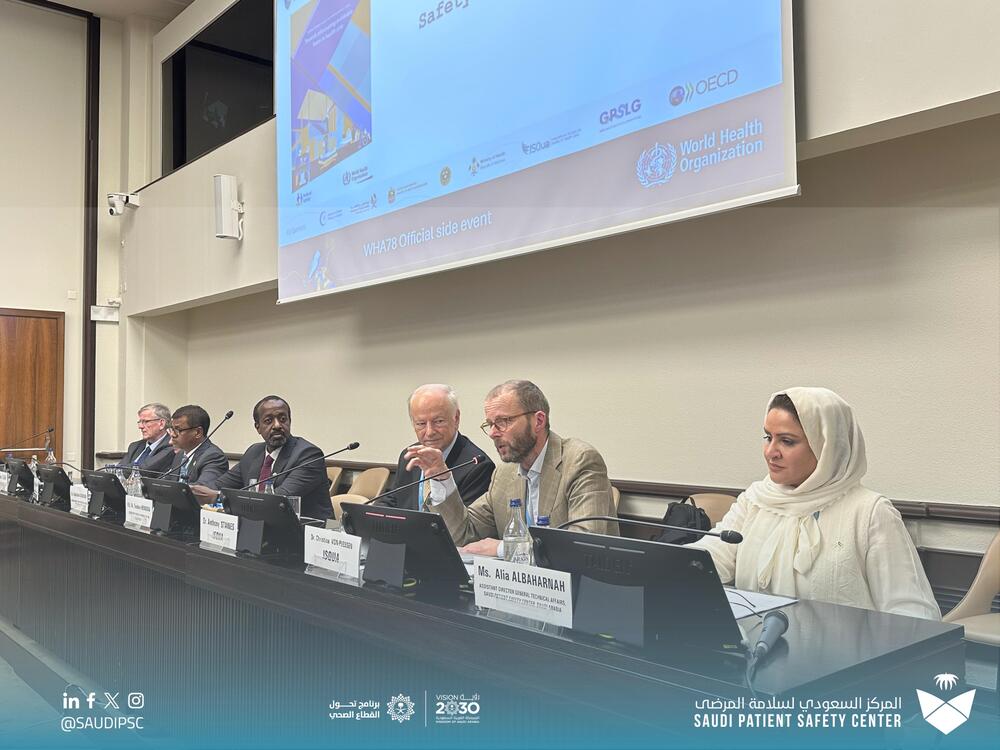
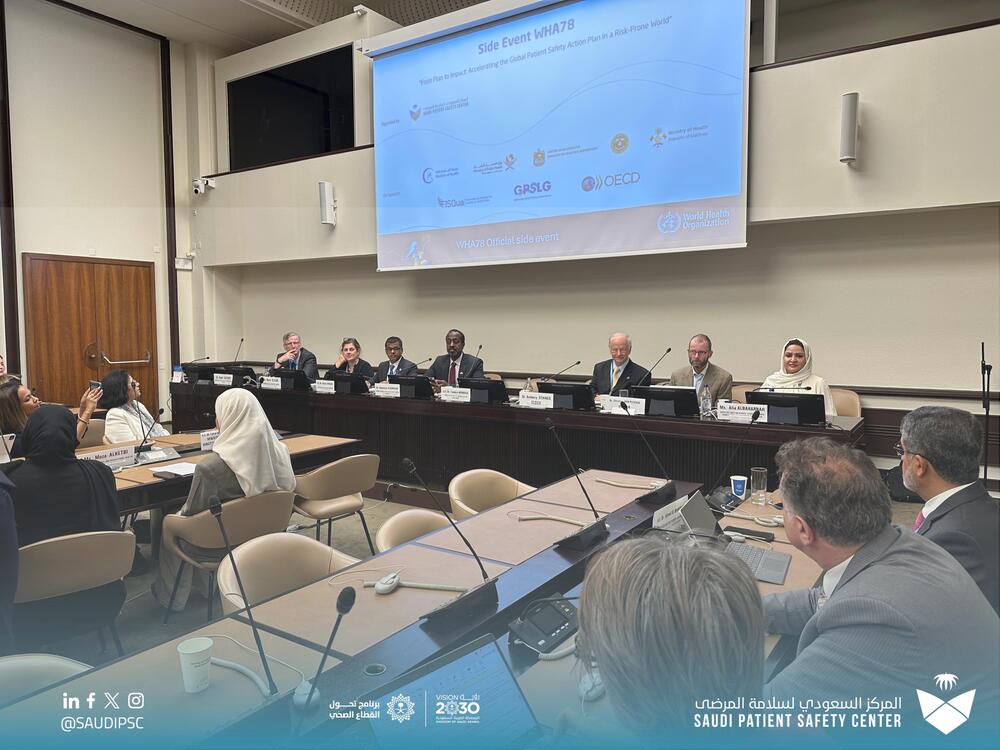
As part of its continued leadership in advancing global patient safety, the Saudi Patient Safety Center (SPSC), in collaboration with international partners, has organized an official side event during the 78th World Health Assembly (WHA78) in Geneva. This high-level event explored practical strategies to accelerate the implementation of the Global Patient Safety Action Plan (GPSAP) 2021–2030, to foster collective action in an increasingly complex and risk-prone world.
Event Title:
From Plan to Impact: Accelerating the Global Patient Safety Action Plan in a Risk-Prone World
Date & Time:
Monday, 19 May 2025
Venue:
Palais des Nations, Geneva (Room capacity: 200 participants)
Organized by:
Saudi Patient Safety Center (SPSC)
Co-Sponsors:
- Republic of the Philippines
- Republic of Maldives
- United Arab Emirates
- State of Qatar
- Sultanate Oman
- International Society for Quality in Health Care (ISQua)
- Organisation for Economic Co-operation and Development (OECD)
- Global Patient Safety Leadership Group (GPSLG)
Event Summary
The WHA78 official side event brought together ministers, global experts, and national representatives to highlight progress, challenges, and strategies in implementing the Global Patient Safety Action Plan (GPSAP) 2021–2030. The event served as a collaborative platform to share lessons, align actions, and reaffirm high-level commitment toward reducing avoidable harm in healthcare systems worldwide. It also, demonstrated the growing global recognition that patient safety is not only a health priority, but a moral and economic imperative. Across regions, stakeholders affirmed their commitment to moving from vision to action through national strategies, better governance, smarter investments, and stronger partnerships.
From island states like the Maldives to regional influencers like the GCC countries, the message was clear: collaboration, co-production with patients, and system-wide learning are essential to achieving the goal of zero avoidable harm. The Saudi Patient Safety Center is proud to have facilitated this dialogue and remains committed to advancing the Global Patient Safety Action Plan through leadership, innovation, and shared action.
Event Program
Welcome & Opening Remarks
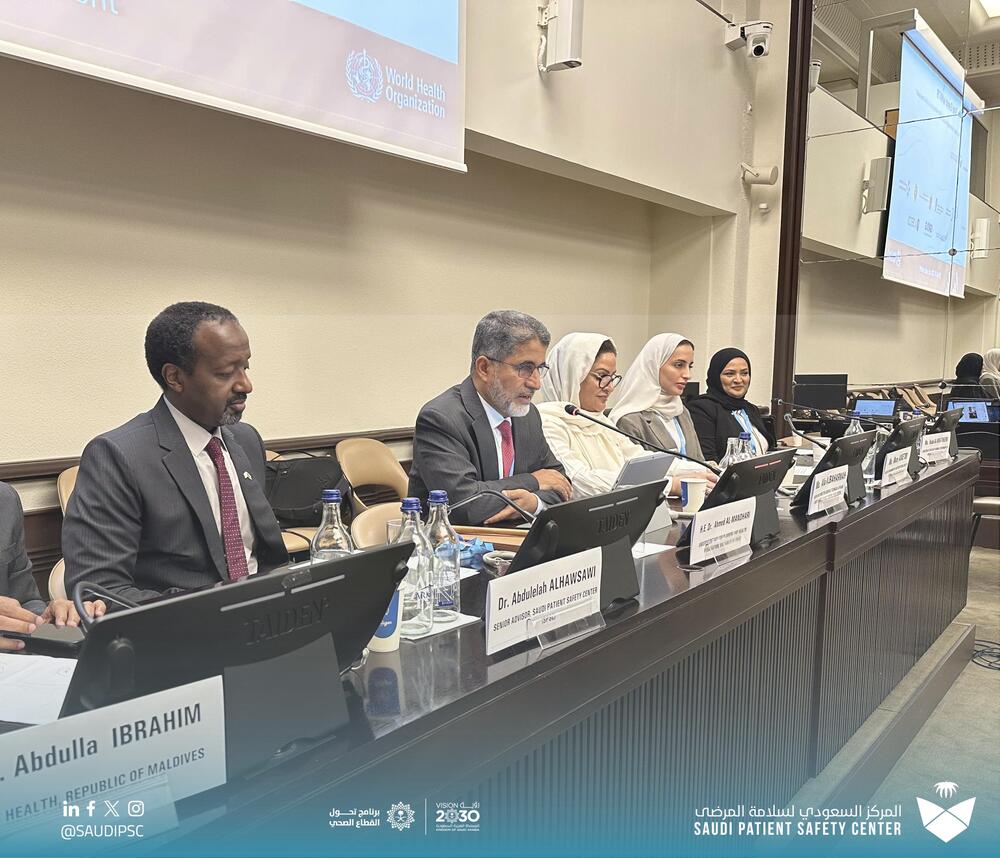
Dr. Abdulelah Alhawsawi, Senior Advisor, Saudi Patient Safety Center (SPSC)
Ministerial Address – Maldives
H.E. Mr. Abdulla Nazim Ibrahim, Minister of Health, Republic of Maldives
Global Patient Safety Action Plan – Progress & Priorities
Dr. Rudi Eggers, Director, Integrated Health Services (IHS), WHO HQ
Key Thought Leadership Interventions: Safe Care is the Right Care: ISQua's White Paper on GPSAP
Dr. Anthony Staines & Dr. Christina Von-Plessen, ISQua
The Economics of Patient Safety: Why Investment Matters
Dr. Kerri Elgar, Senior Policy Analyst, OECD
How Can the G20 Global Patient Safety Leaders Group (GPSLG) Contribute to GPSAP Implementation?
Dr. Abdulelah Alhawsawi, Member, GPSLG
Member States Panel: Achievements, Challenges, and the Way Forward on GPSAP
Panelists:
- H.E. Dr. Ahmed bin Salim Al-Mandhari, Undersecretary for Planning and Health Regulation, Sultanate of Oman
- Ms. Alia Albaharnah, Assistant Director General for Technical Affairs, Saudi Patient Safety Center, Saudi Arabia
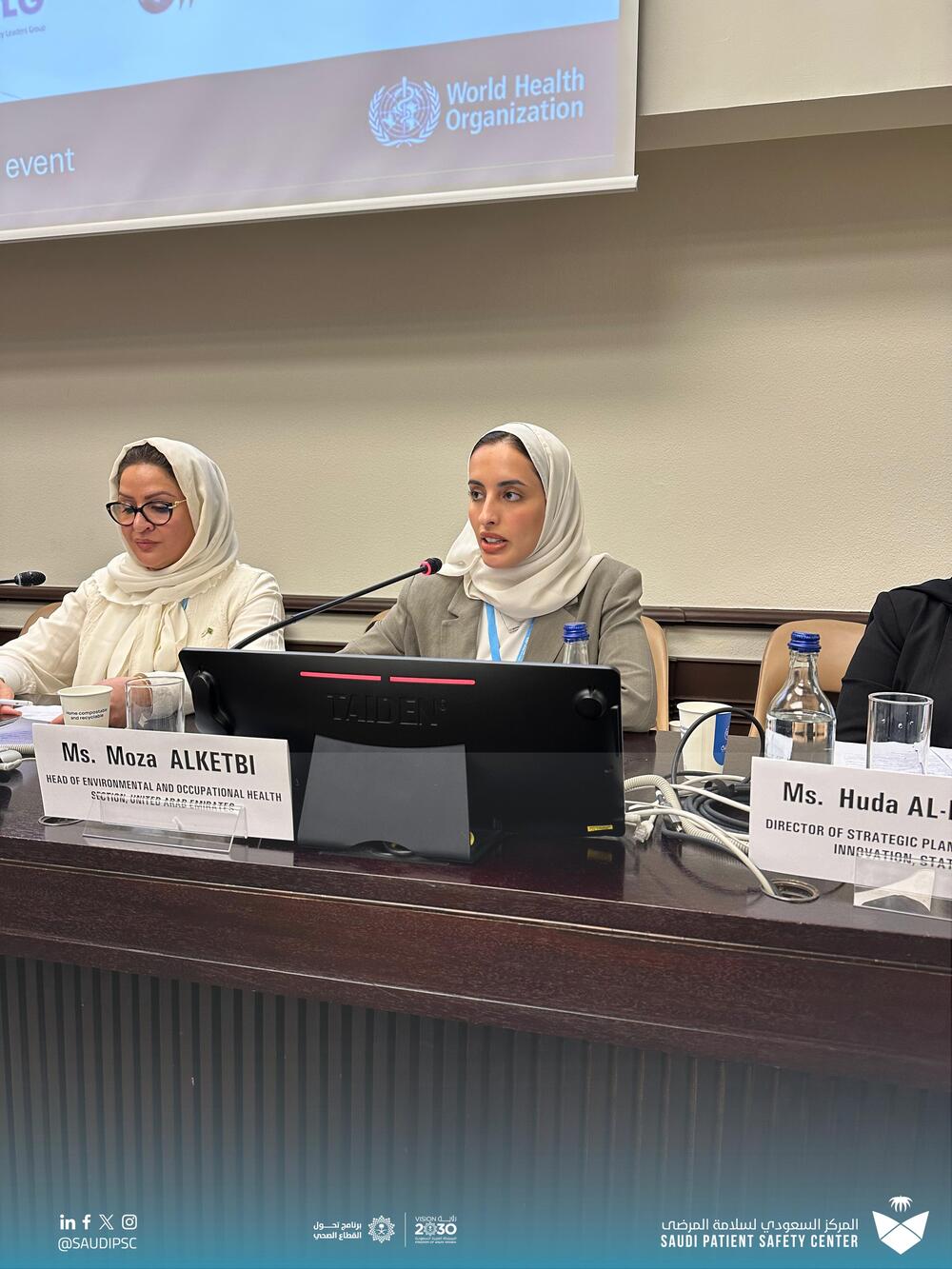
- Ms. Moza Obaid AlKetbi, Head of Environmental and Occupational Health Section, United Arab Emirates
- Ms. Huda Amer A S Al-Khatheeri, Director of Strategic Planning, Performance & Innovation, State of Qatar
Closing Remarks and Next Steps
Dr. Abdulelah Alhawsawi, Saudi Patient Safety Center
Post Event Recommendations:
- Governments should prioritize developing and funding national patient safety action plans aligned with the GPSAP.
- Establish robust adverse event reporting and learning systems to inform policy and practice.
- Invest in healthcare workforce training on patient safety, particularly in diagnostics and human factors.
- Promote patient and family engagement at all levels of system design and evaluation.
- Use economic data to advocate for safety investment in national budget processes.
- Foster regional and global collaboration to share best practices and innovation in safety implementation.
- Measure and report progress transparently, using real-time tools and indicators.
- Ensure patient safety is embedded in digital health strategies and emergency preparedness frameworks.