National Patient Safety Award
Award overview:
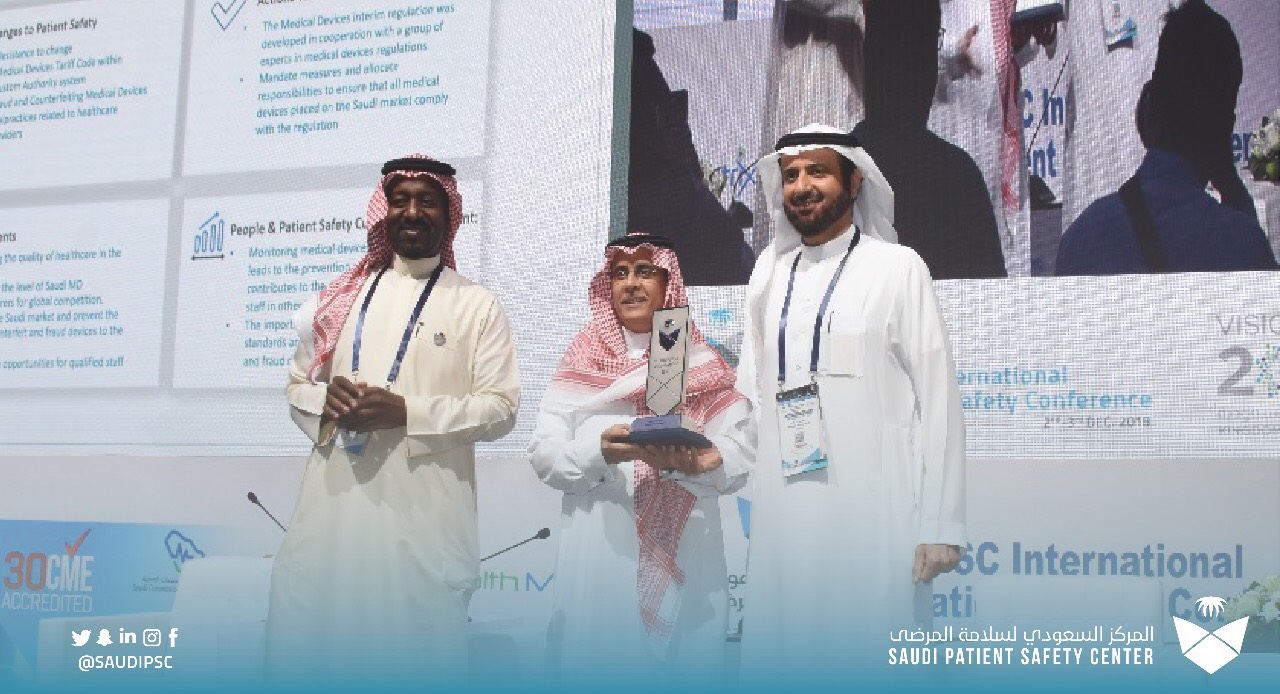
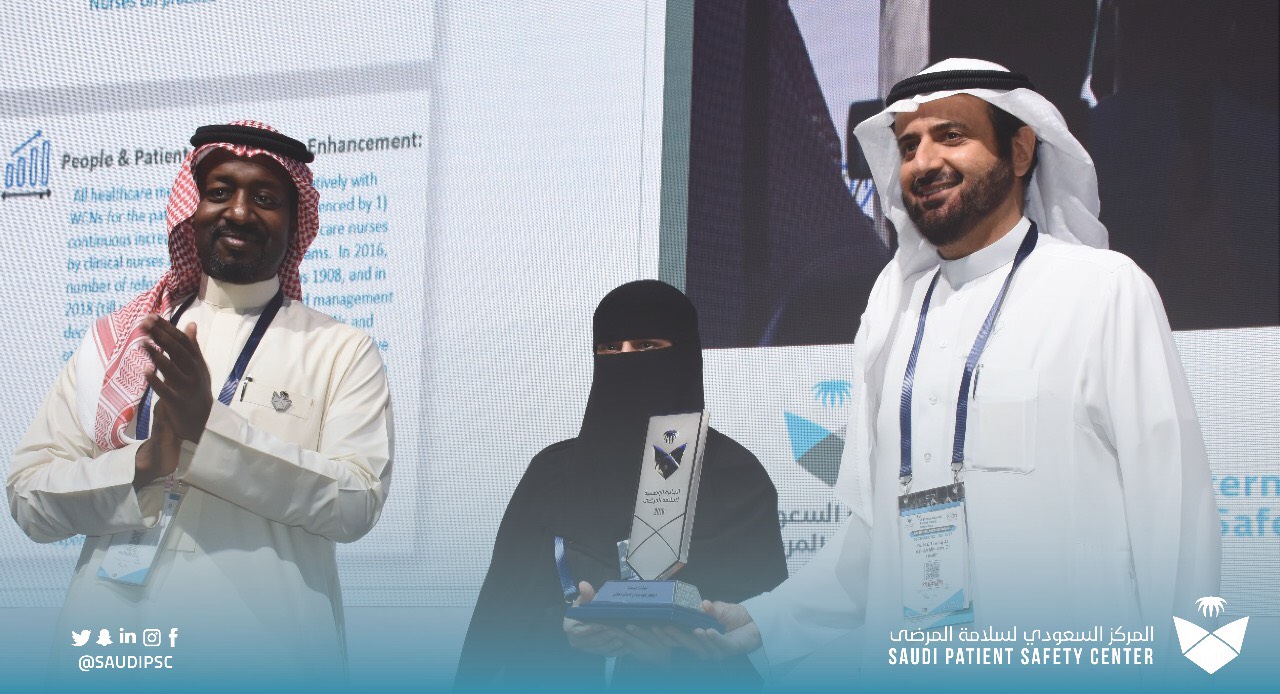
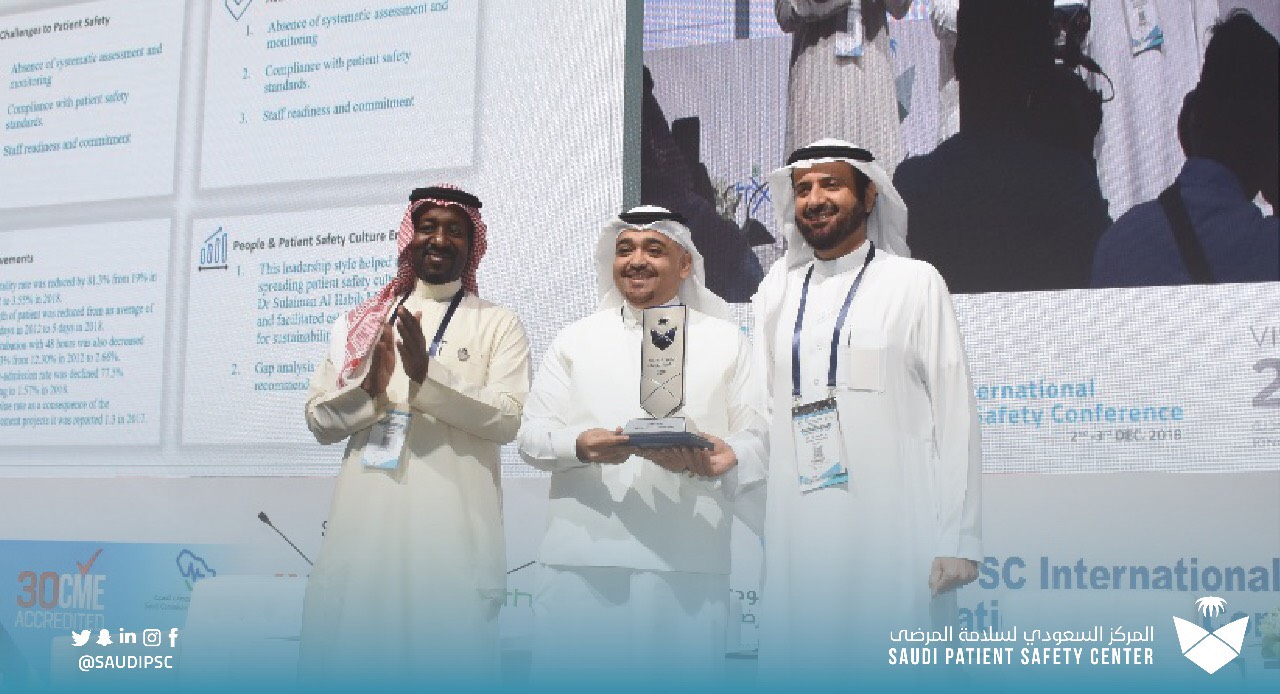
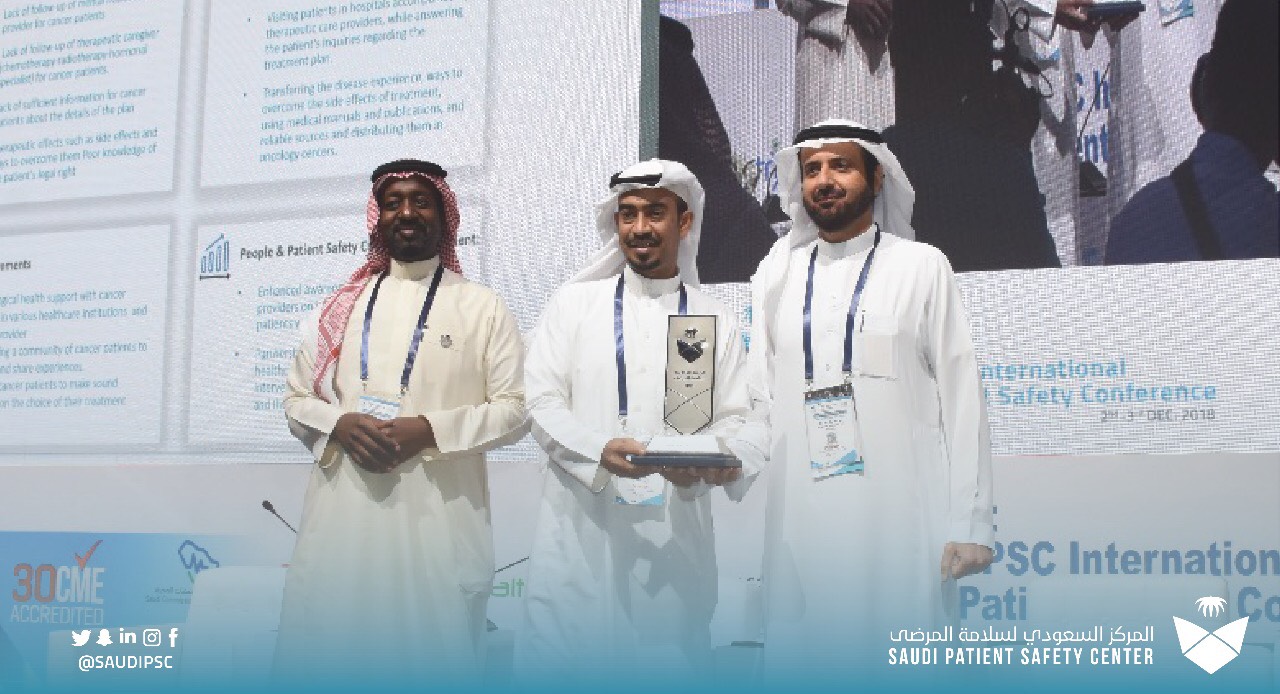
The Saudi Patient Safety Center (SPSC) established the annual National Patient Safety Award in 2018. It continues to be annual, recognizing novel and innovative applied projects and initiatives that have contributed to the Saudi Healthcare sector's goal of reducing patient harm and spreading new and creative ways of promoting or enhancing patient safety.
Goal:
To recognize successful patient safety innovations and best practices that act as role models and are widely distributed and used in healthcare facilities to promote an organizational culture that improves healthcare safety.
Purpose: This track aims to engage and inspire the next generation of healthcare professionals by encouraging university students and researchers to develop and submit innovative ideas and solutions for patient safety.
Description: This track is for students and researchers in healthcare-related fields. Participants are invited to present projects, research, or initiatives to improve patient safety. Creative thinking and use of new technologies, processes, or educational tools are encouraged to strengthen safety practices.
Topics:
All issues related to patient safety.
Criteria:
- Innovation and solutions.
- Expected impact on patient safety.
- Feasibility and practicality of implementation.
- Clear methodology.
- Addressing key challenges and trends in patient safety.
Purpose: This track honors initiatives that work to improve patient participation in care for their own safety through programs, projects, strategies, or innovative technologies that actively involve patients in co-designing safety strategies.
Description: Focuses on improving patient and family engagement in developing high-quality, integrated, and people-centered health services. Treating patients as partners in healthcare leads to significant gains in safety, satisfaction, and health outcomes.
Topics:
- Engaging patients in designing safety policies and strategies.
- Practical projects to enhance communication between care providers and patients.
- Improving long-term patient health and well-being.
- Utilizing technologies that empower patients.
- Supporting community involvement and empowering patients for safety.
Purpose: This track aims to highlight the achievements of those who make significant progress in improving the safety of maternity and midwifery services by implementing new and innovative programs or technologies. The goal is to reduce maternal and newborn mortality rates, minimize risks and harm during childbirth, and improve the quality and safety of healthcare provided to women and newborns.
Description: This track has strong focus on improving continuity and safety in healthcare, given the substantial burden of risks and harm that unsafe care poses to mothers and newborns.
Topics:
- Promoting respectful care for safe childbirth.
- Reporting and analyzing safety incidents during childbirth.
- Preventing and managing postpartum hemorrhage.
- Reducing unnecessary and harmful practices affecting women and newborns during birth.
- Training on safe caesarean protocols and strengthening the capabilities of healthcare workers.
- Improving detection and management of high-risk pregnancies in low-resource environments.
- Enhancing the safe use of medication and blood transfusion during childbirth.
- Improving outcomes of newborn screening and genetic management.
Purpose: This track aims to recognize those who make significant progress in improving medication safety by implementing programs, projects, strategies, or innovative technologies that ensure the safe use of medications without causing harm.
Description: Unsafe medication practices and medication errors are major causes of preventable harm in healthcare worldwide. The economic and psychological burden of unsafe medication care is also substantial and cannot be ignored. Therefore, medication safety is widely used in healthcare interventions.
Topics:
- Improving medication safety during care transitions.
- Reducing risks in high-risk situations.
- Decreasing inappropriate pharmacy practices.
- Reporting medication errors and learning from them.
In partnership with the Saudi Commission for Health Specialties (SCFHS)
Purpose: This track focuses on initiatives aimed at improving training, effectively integrating patient safety concepts, and demonstrating excellence in patient safety training.
Description: Training is an essential requirement for all healthcare professionals. The healthcare sector is constantly evolving, and today’s best practices can change quickly. As a result, continuous training is necessary for all healthcare practitioners, starting from trainees, to ensure high-quality and safe patient care.
Topics:
- Integrating patient safety learning and practice into educational and training curricula.
- Innovative strategies for training and education in patient safety, such as interprofessional education.
- Creating a culture of collaborative learning based on the needs of practitioners, addressing knowledge, skill, and attitude gaps by applying patient safety standards.
- Training interventions to enhance leaders’ perceptions of patient safety.
- Organization-based training programs that measure skill development, behavior change, and improvement in organizational outcomes.
Purpose: This track aims to highlight the Choosing Wisely initiative and honor successful projects that implement this approach.
Description: This track focuses on selecting projects within the healthcare sector that apply the Choosing Wisely initiative. The initiative seeks to enhance communication between doctors and patients to reduce low-value and unnecessary interventions by empowering patients to choose safe, evidence-based care, and avoid repeating tests or procedures that have already been completed.
Projects can be recognized for successfully applying Choosing Wisely initiatives and achieving noticeable results in one of the following fields:
- Emergency Department
- Primary Healthcare
- Pharmacy
- Radiology
- Laboratory
- Other areas
The award in this track recognizes those who make significant progress in improving patient safety by introducing new and innovative systems, programs, initiatives, or technologies. These projects aim to achieve high-quality results and demonstrate best practices in areas such as diagnostic safety, surgical safety improvement, or other important topics including but not limited to:
Topics:
- Innovation in diagnostic and surgical techniques.
- Improving patient safety through technology.
- Mental health in the workplace.
- Patient safety in primary and remote healthcare.
- Safety in urgent and emergency care and referrals.
- Enhancing care for the elderly and home healthcare services.
Purpose: This track aims to recognize individuals, teams, and healthcare institutions in the Kingdom that have made measurable progress in preventing, early detection, and effective management of bacterial sepsis, recognizing it as a major challenge to patient safety and quality of care. This track aligns with Saudi Vision 2030, the National Transformation Program, and the standards of the Saudi Patient Safety Center and the Ministry of Health, aiming to enhance care quality and reduce infection-related complication and mortality rates in hospitals and healthcare centers.
Description: Healthcare-associated infections are life-threatening emergencies caused by excessive immune responses to infections, leading to organ dysfunction and potentially progressing to shock and multiple organ failure. Infections present a challenge in hospitals, especially among the elderly, newborns, pregnant women, and patients with chronic diseases or immune deficiency. This track encourages programs that show concrete improvements in early sepsis detection rates, reduced mortality, and enhanced patient experience, considering the specific needs of the Saudi healthcare system context.
Topics:
- Early recognition and rapid response.
- Implementing early screening protocols and tools in emergency departments, intensive care units, and inpatient wards.
- Applying nationally approved infection prevention bundles such as CAUTI, CLABSI, SSI, and Sepsis.
- Supervising and optimizing antibiotic use.
- Training physicians and pharmacists on national antibiotic treatment guidelines.
- Technology and innovation used in infection prevention and reduction.
Purpose: This track aims to honor outstanding leaders in the health sectors or institutions who have shown exceptional commitment and clear vision in supporting, innovating, and empowering healthcare practitioners and patients to advance the concept of patient safety. The track focuses on leaders who embrace safety as a core value, create an environment that encourages innovation, and ensure the involvement of all stakeholders in achieving the highest standards of safe care.
Description: Effective leadership is a cornerstone of building a safe and trustworthy healthcare system. This track is designed to celebrate leaders who go beyond traditional roles to be catalysts for positive change in patient safety. This includes leaders who set clear strategies, provide necessary resources, support initiatives that empower healthcare practitioners to apply best practices, and engage patients as key partners in their safety journey. Their commitment goes beyond compliance with standards to introduce a culture of accountability and continuous learning from errors, leading to concrete and sustainable improvements in patient safety outcomes.
Target Group: Senior executives responsible for decision-making, including hospital or facility directors, sector managers, medical directors, executive directors, or chief executives.
Topics:
- Leadership initiatives to introduce a strong organizational culture focused on patient safety, inside or outside the organization.
- Supporting healthcare practitioners by encouraging the use of best patient safety practices.
- Specialized programs to support healthcare professionals scientifically and psychologically after patient safety events, enabling learning without fear of blame.
- Leading initiatives that strengthen patient and family engagement.
- Adoption of innovative solutions and advanced technologies by leadership to reduce patient safety events.
- Demonstrating effective leadership in managing patient safety crises.
- Identifying psychosocial risks, strengths, coping needs, trauma history, and distress levels
- Delivering emotionally safe, developmentally appropriate, and trauma-informed care
- Creating physical and organizational environments that support emotional well-being
- Building workforce capability and sustaining emotional safety culture
Submission Eligibility and General Criteria:
This award is given to recognize the efforts made towards improving patient safety to obtain safe healthcare that contributes to avoiding harm in the health care system; Therefore, there are several criteria that must be considered when preparing for submission, (All submissions must satisfy the following):
- An implemented project related to the announced tracks, that has not won the National Patient Safety Award.
- There is no specific timeframe for the project, as long it can exhibit a unique and creative approach that can be implemented by other organizations of different sizes.
- Collaborative and interprofessional team approach that includes leaders/senior management.
- Demonstrate exceptional commitment to improving patient safety within an organization or community institution.
- Use of evidence and leading practices. In addition to attaching related supporting documents.
- Adoption of a comprehensive approach to quality improvement/change management and program implementation.
- Avoid submitting patient safety projects that are considered routine daily work.
- Submissions must be in the English language except for the community organizations.
Tips For Successful Entries
- Keep in mind that you can apply in more than one track with different projects: Doing so will increase your chances of winning! However, make sure you meet the criteria and requirements for each track and category.
-
Clearly set out the benefits of your entry: W.rite in clear, concise, avoiding jargon, and abbreviations.
- Use attachments wisely: Attach documents to support your application but keep them brief and to the point. They should only contain material that will assist the judges in understanding the impact of your work.
- Ensure to back up your project with evidence: Judges are looking for entries that have good data. For example, measurable results of your actions that support your entry, Key actions that were taken to achieve your results, and feedback from those affected by your project.
- Ask an expert to look through your entry prior to submission: It is useful to have someone who was not directly involved in the work you're entering, to have their feedback and insight as a personal judgment.
-
Prior submission: To prevent being disqualified, double-check that you have completed all of the entry requirements and given all of the needed requirements
If you received the award last year, can you apply this year?
Answer: Yes, as long as it is a different project
If I have any questions while preparing my submission, who can help?
Answer: send an email to awardspsc@spsc.gov.sa questions that will be answered.
Can I apply in Arabic?
Answer: only community groups can apply in Arabic. If you do apply in Arabic, you will be requested to translate the submission to English.
How many entries can I make?
Answer: As many as you want but projects should be different and not duplicated at all the tracks.
Can you apply as an individual or do you have to go through an organization?
Answer: You can submit as individual
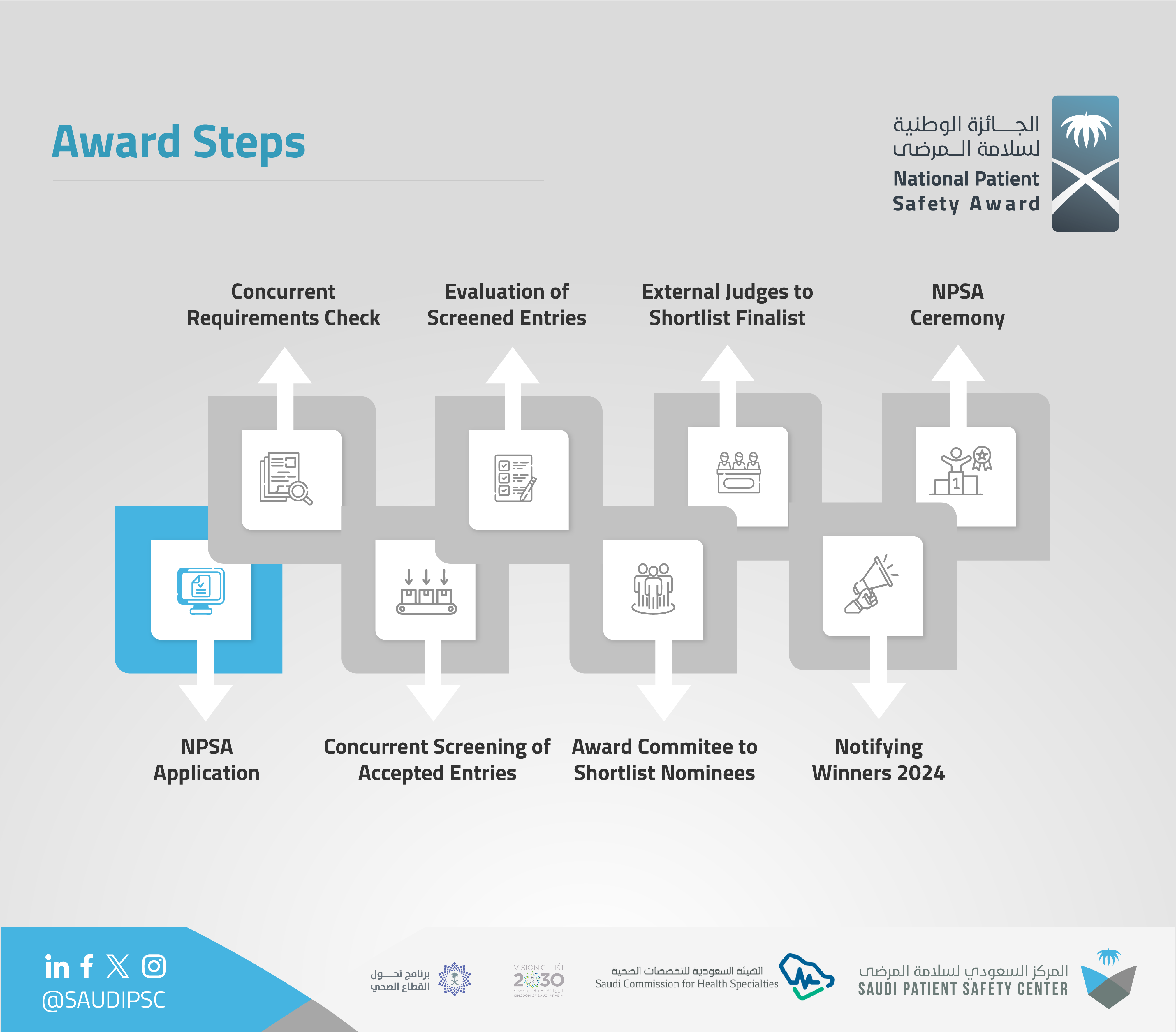
For complete information regarding the eighth edition of the National Patient Safety Award, please see the following document.
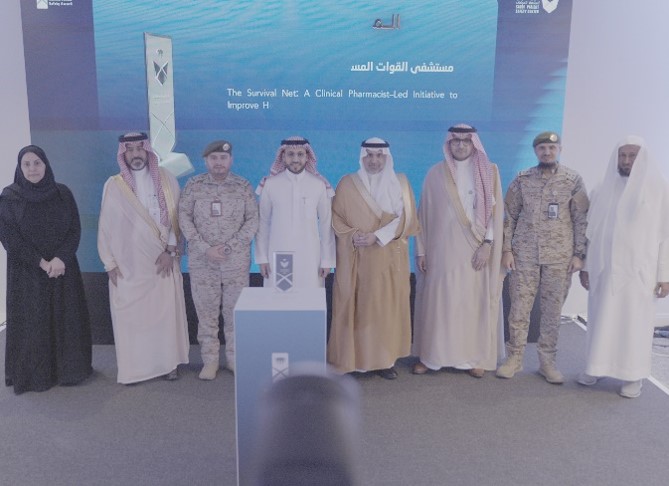
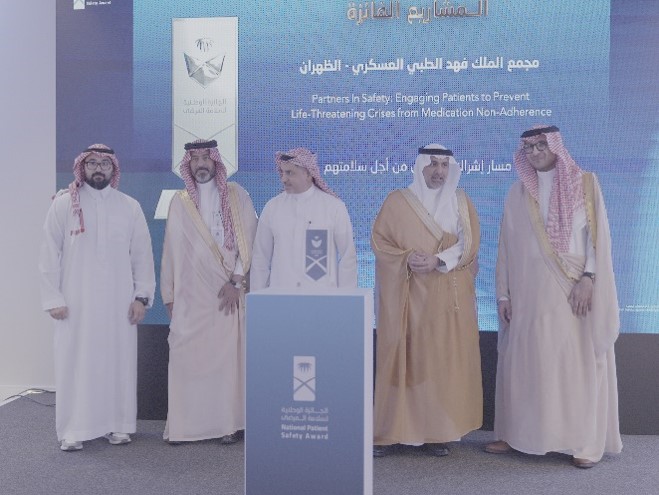
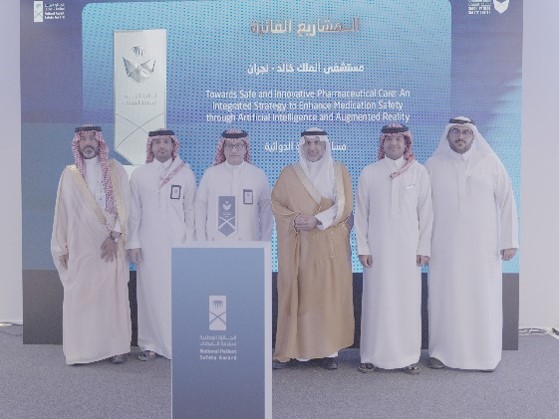
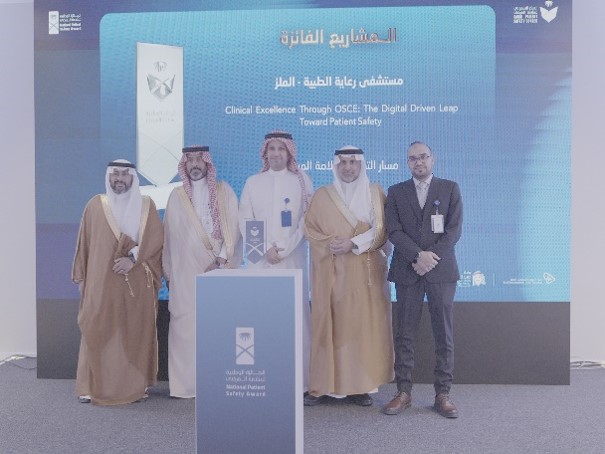
Congratulations to the winners of the 2025 National Patient Safety Award
Withheld due to submitted projects not meeting the track's evaluation criteria.
Withheld due to submitted projects not meeting the track's evaluation criteria.
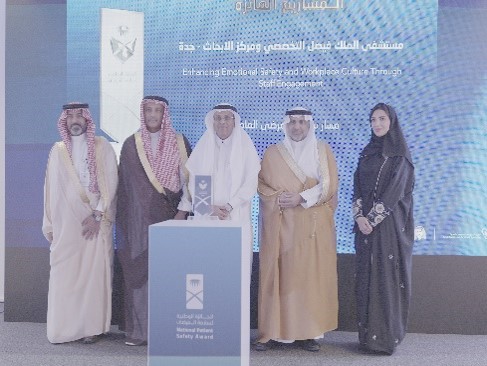
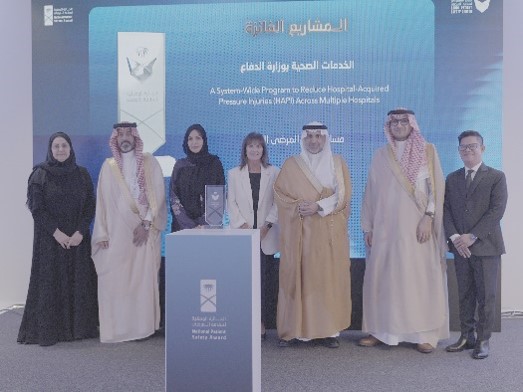
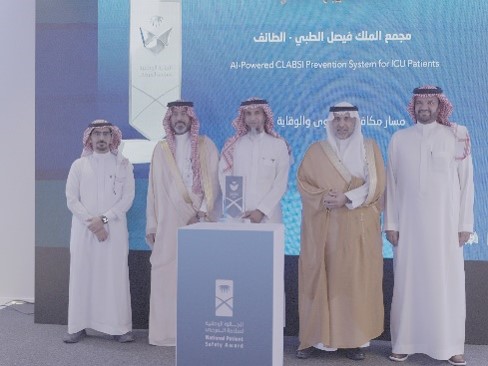
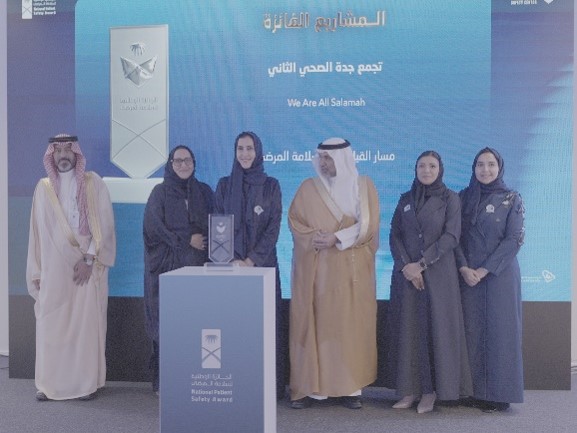
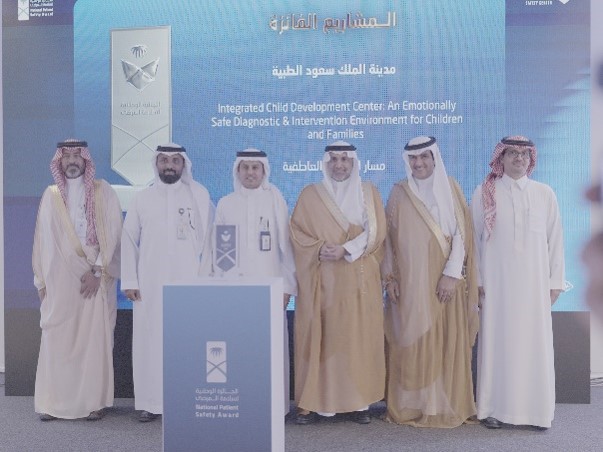
Vision
Safer Healthcare
Values
- Patient First - Professionalism - Transparency - Learning Organization - Innovation
Message
Raising the level of safety in the health system by promoting best practices and increasing awareness and knowledge in the field of patient safety.
Strategic Pillars
Safe System, Patient Empowered, Excellent Performance
Strategic goals
Governance of patient safety practices
Building a measurement and learning system
Empowering patients and the community
Leading improvement and innovation in patient safety
Partnership in Patient Safety
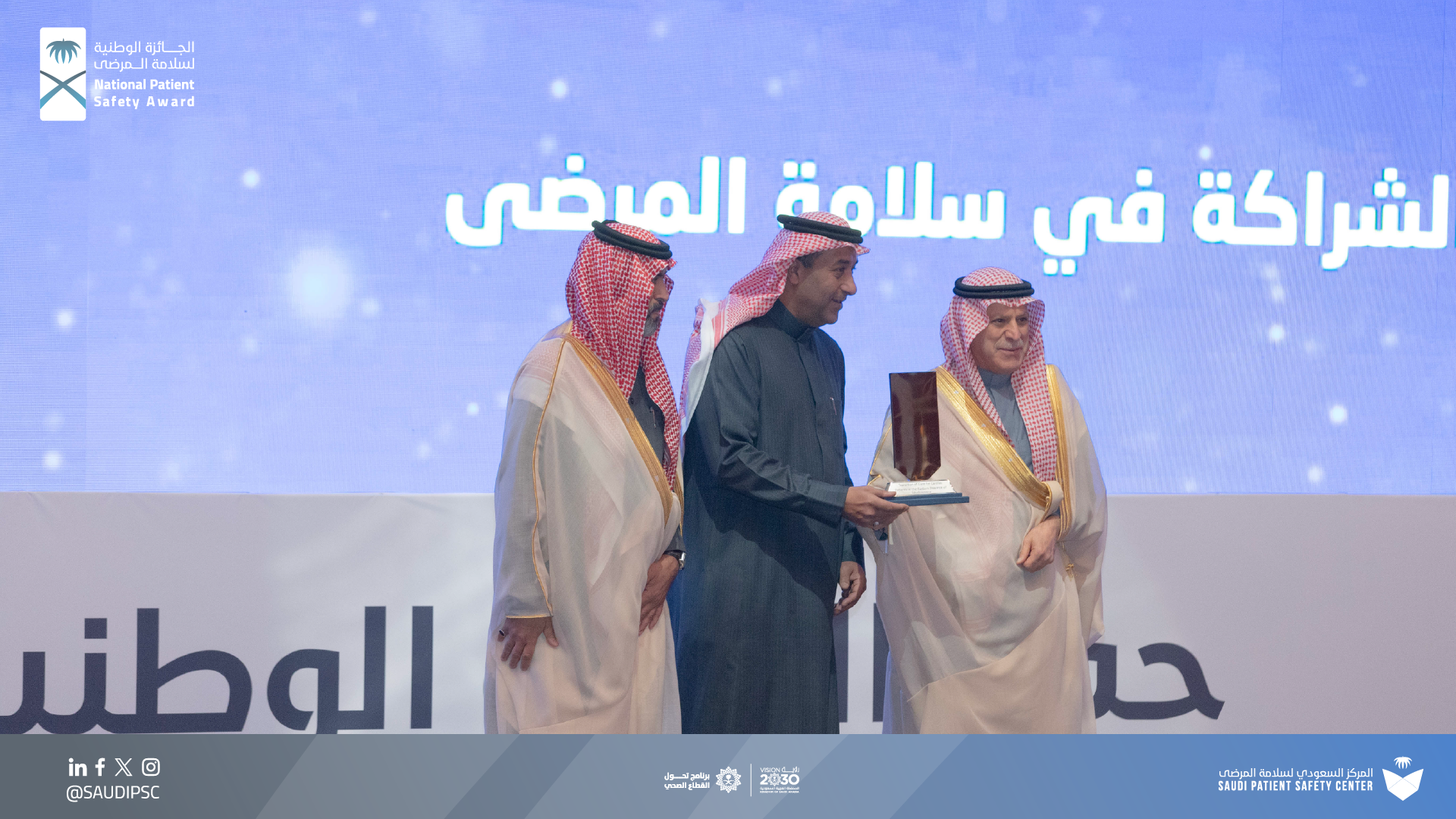
Transition of Care for Cardiac Patients in the Eastern Province of Saudi Arabia
Saud Al Babtain Cardiac Center
Optimization of the Efficient Use of Intravenous Human Albumin for Intensive Care Unit Patients
Mouwasat Hospital
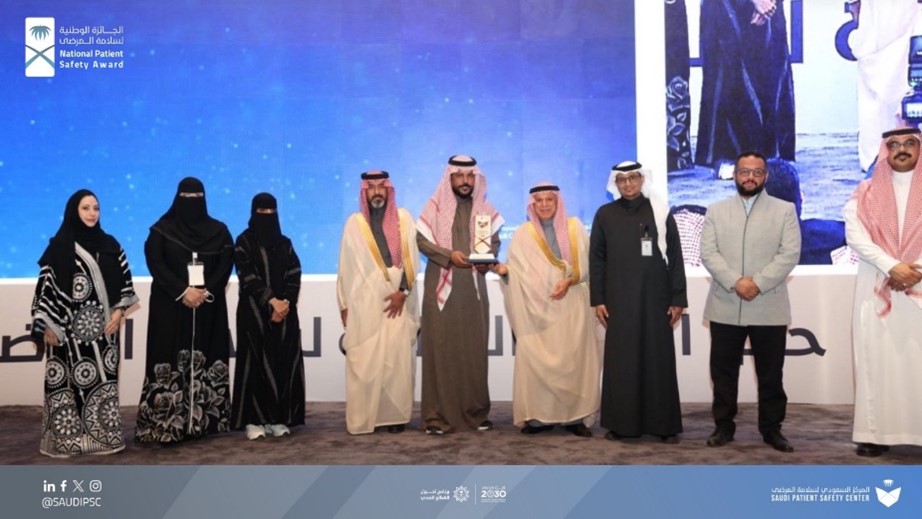
Streamline Patient Pathway Across Emergency Department & Urgent Care Clinic (UCC) for Efficient & Safe Care
King Khaled Hospital in Al-Kharj
Track for University Students and Interns
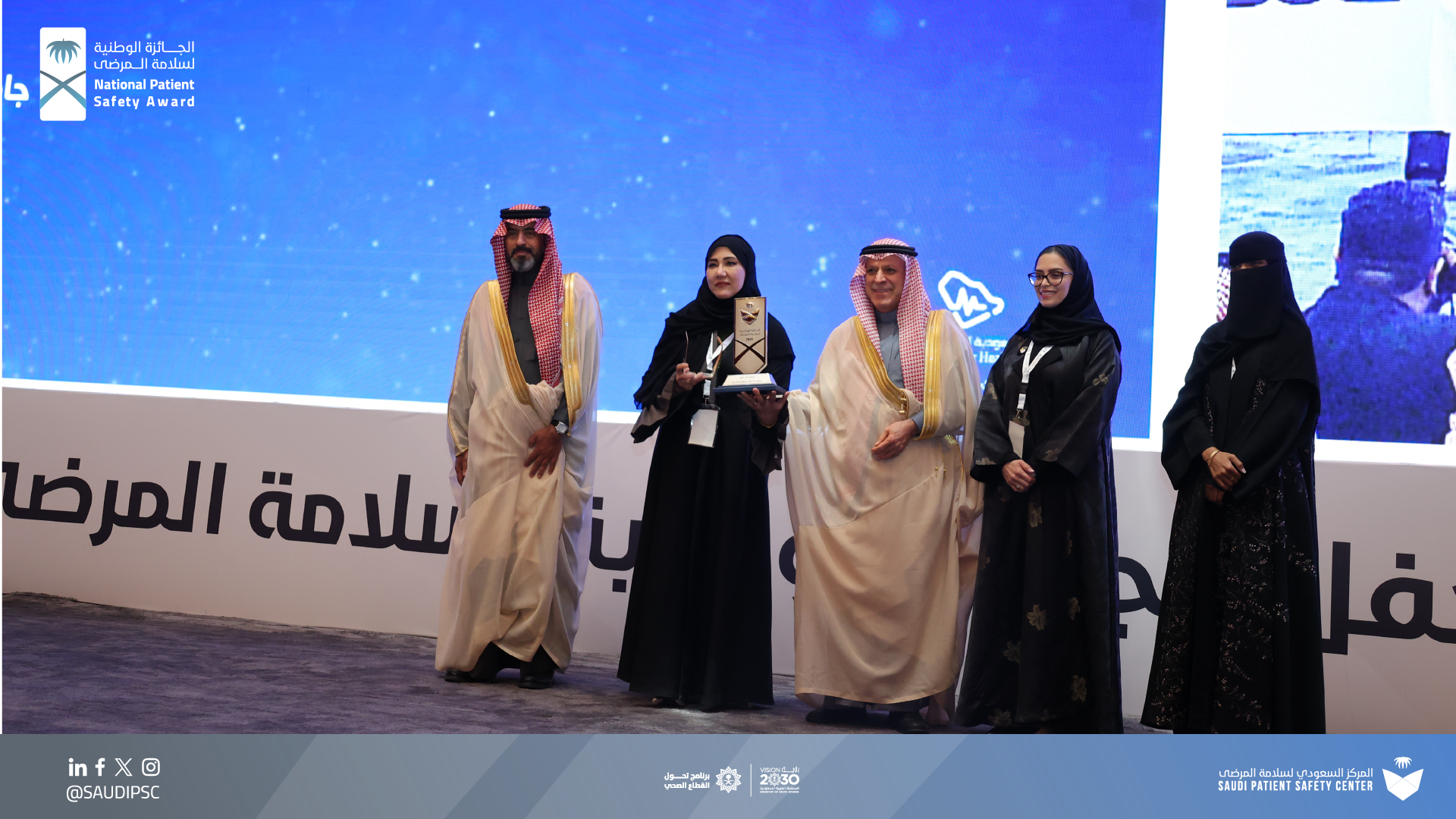
Transvaginal Probes Decontamination Methods in Saudi Arabia
King Saud University
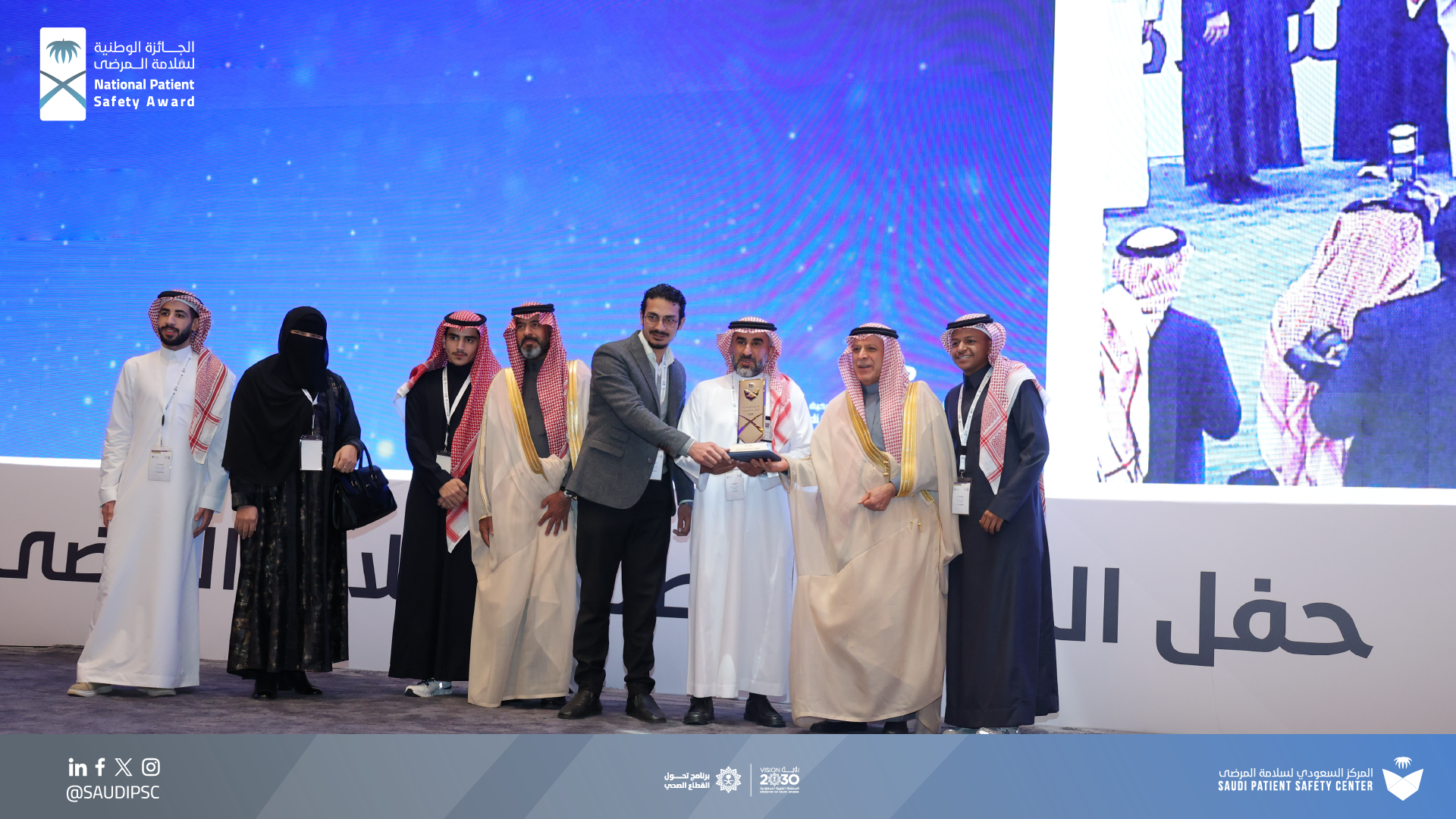
Utilization of Smart Bed Notification System for Prevention of Patient Fall Among Bedridden Patients
Medical City in Buraydah Colleges
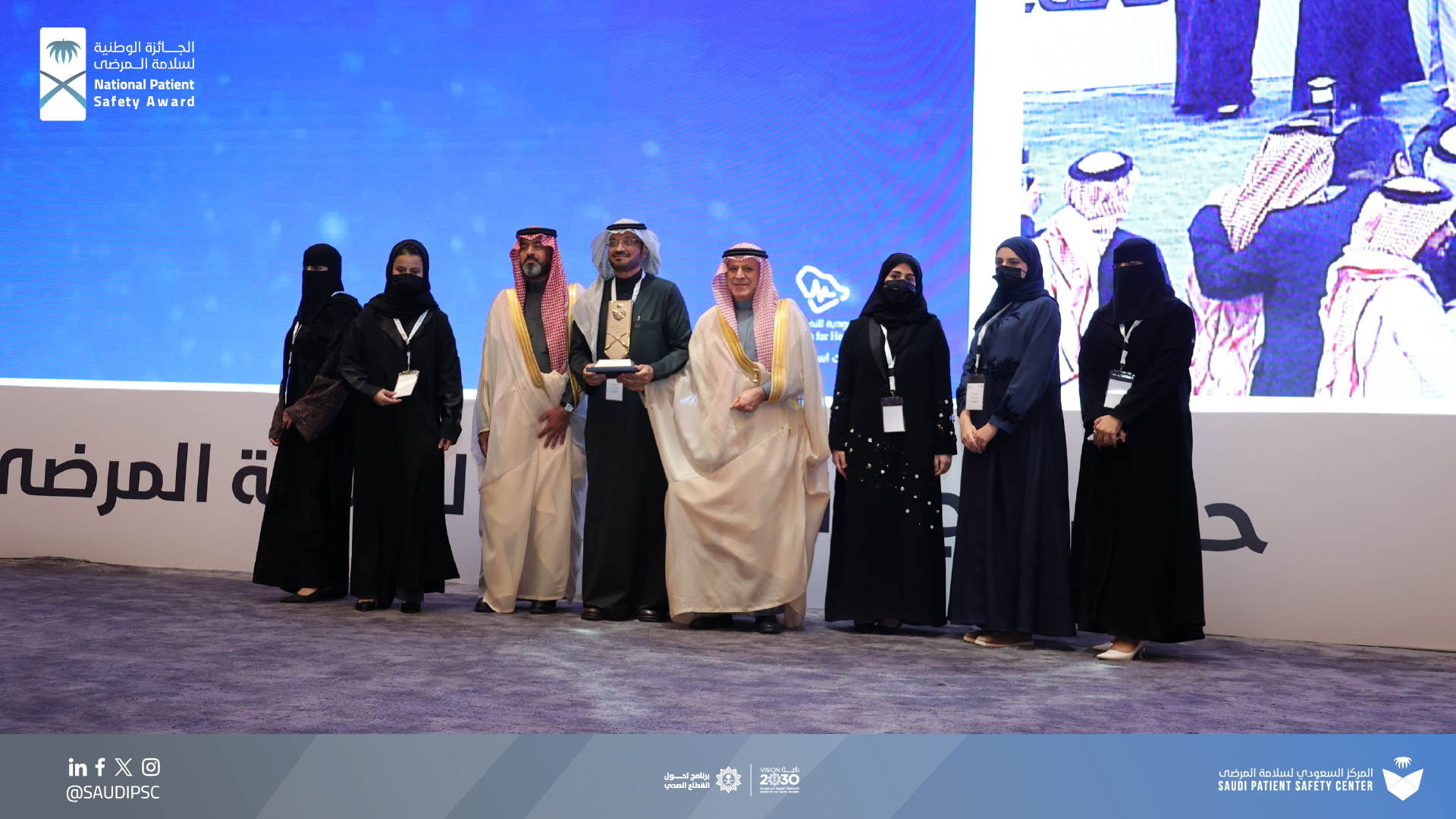
HygieGuard
Albaha University
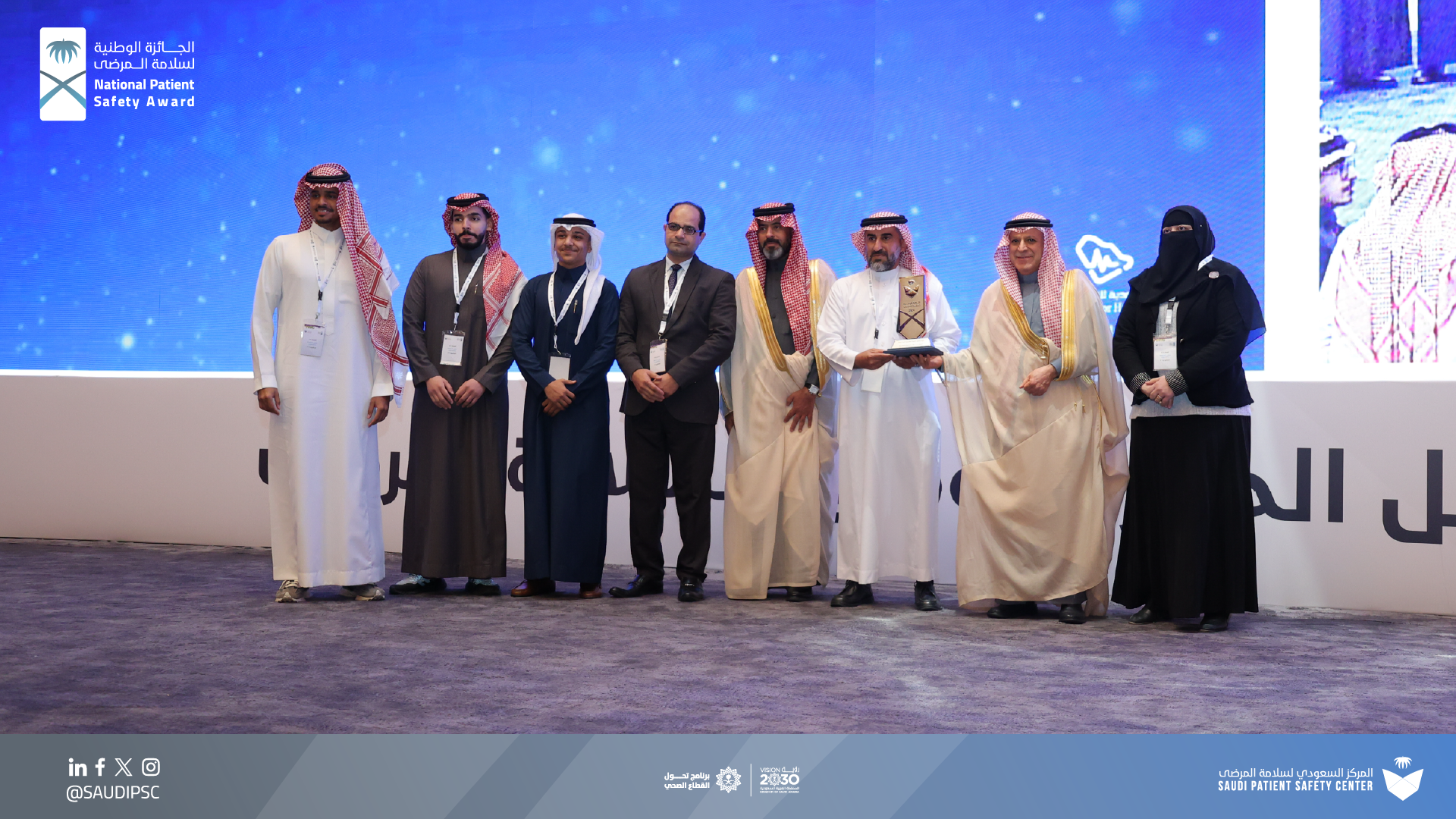
Mobile App to Assess Risk of Recurrent Falls to Enhance Patient Safety
Buraydah Colleges
Dignostic Safey
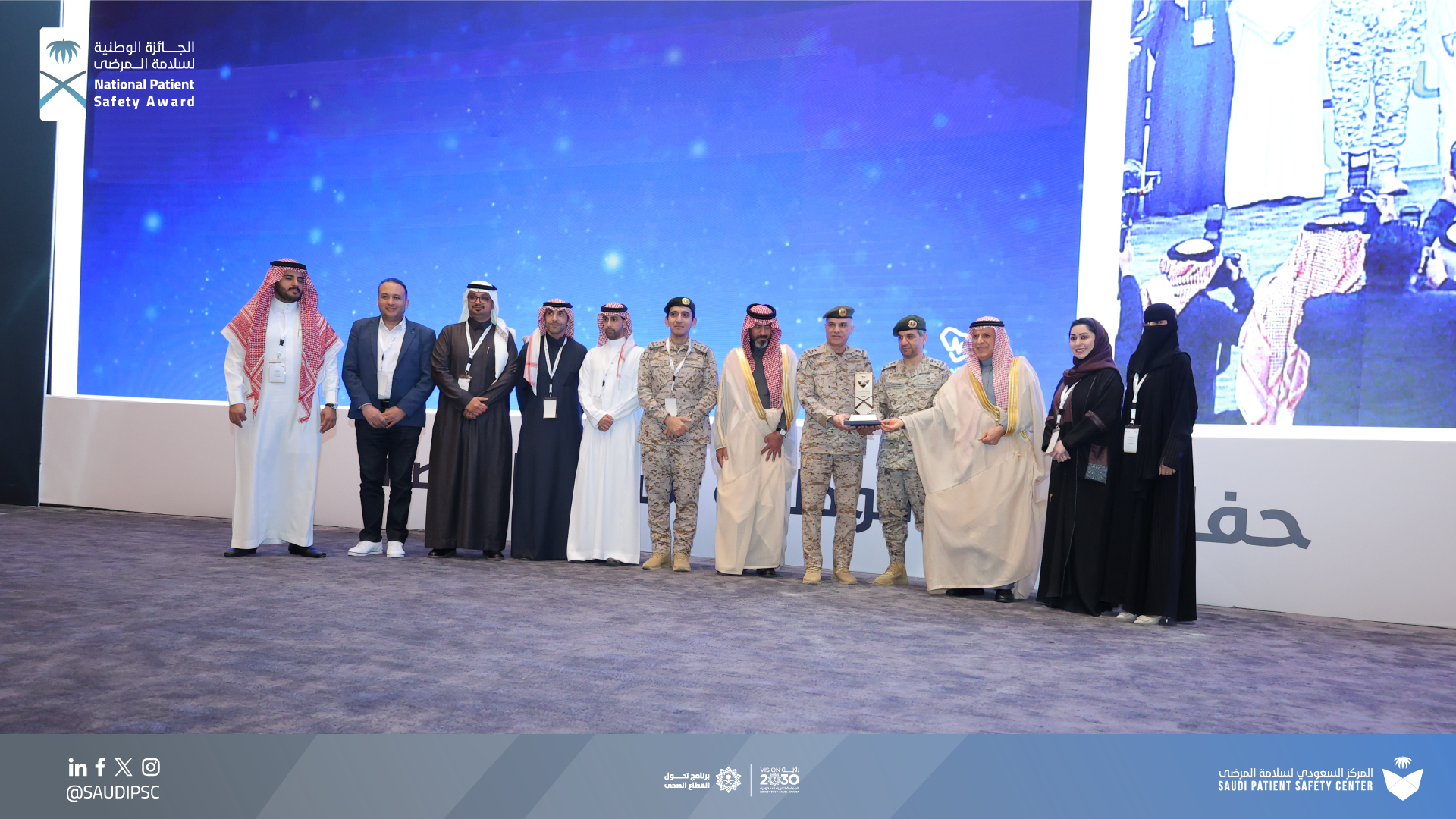
Interventional Radiology Role in Diabetic Foot Management and Reduction of Amputation Rates in Prince Sultan Military Medical City
Prince Sultan Military Medical City
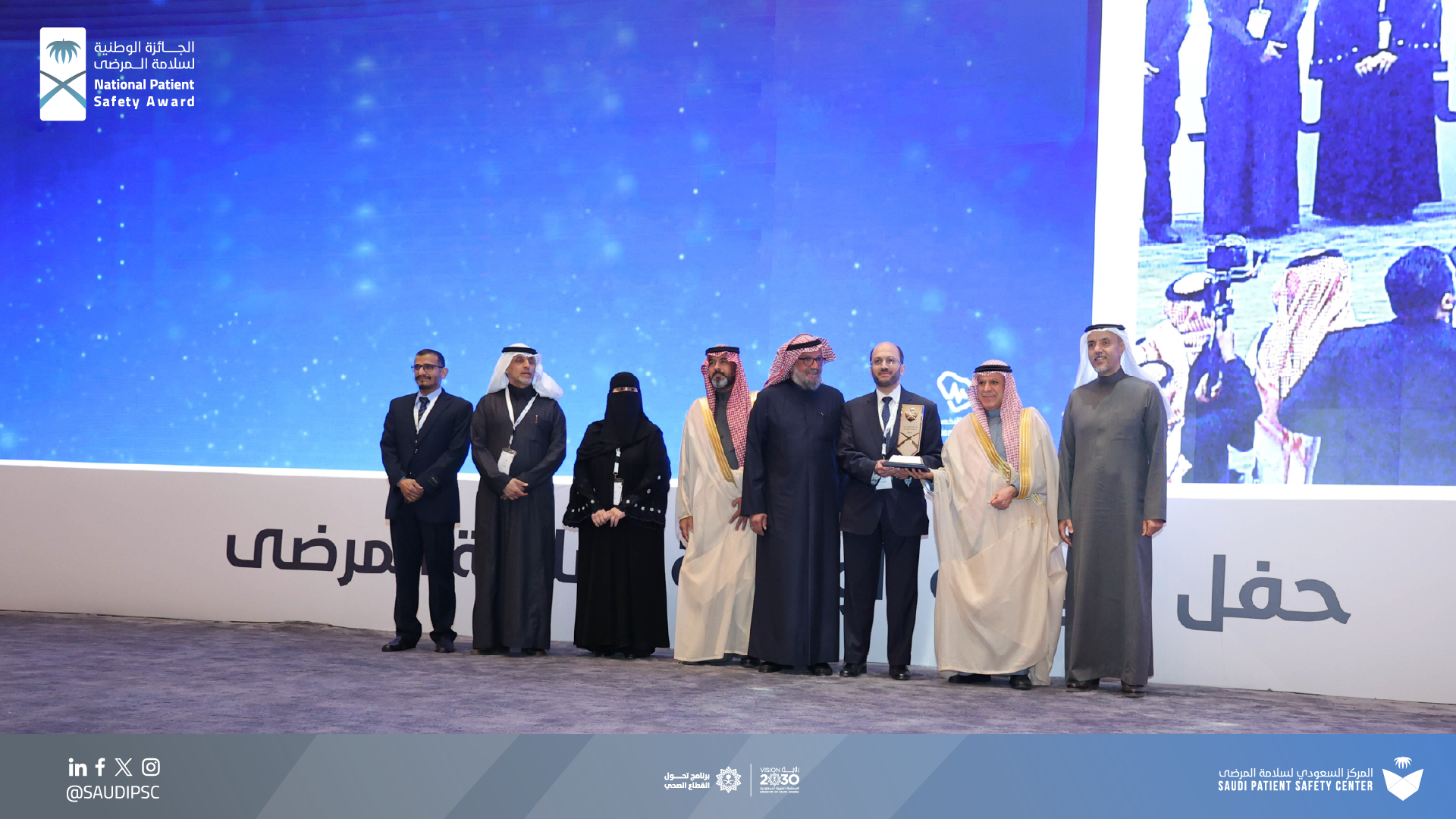
Enhancing Diagnostic Safety in Hepatocellular Carcinoma Care through Virtual Liver Tumor Boards and Standardized Clinical Pathways
King Fahad Specialist Hospital - Dammam
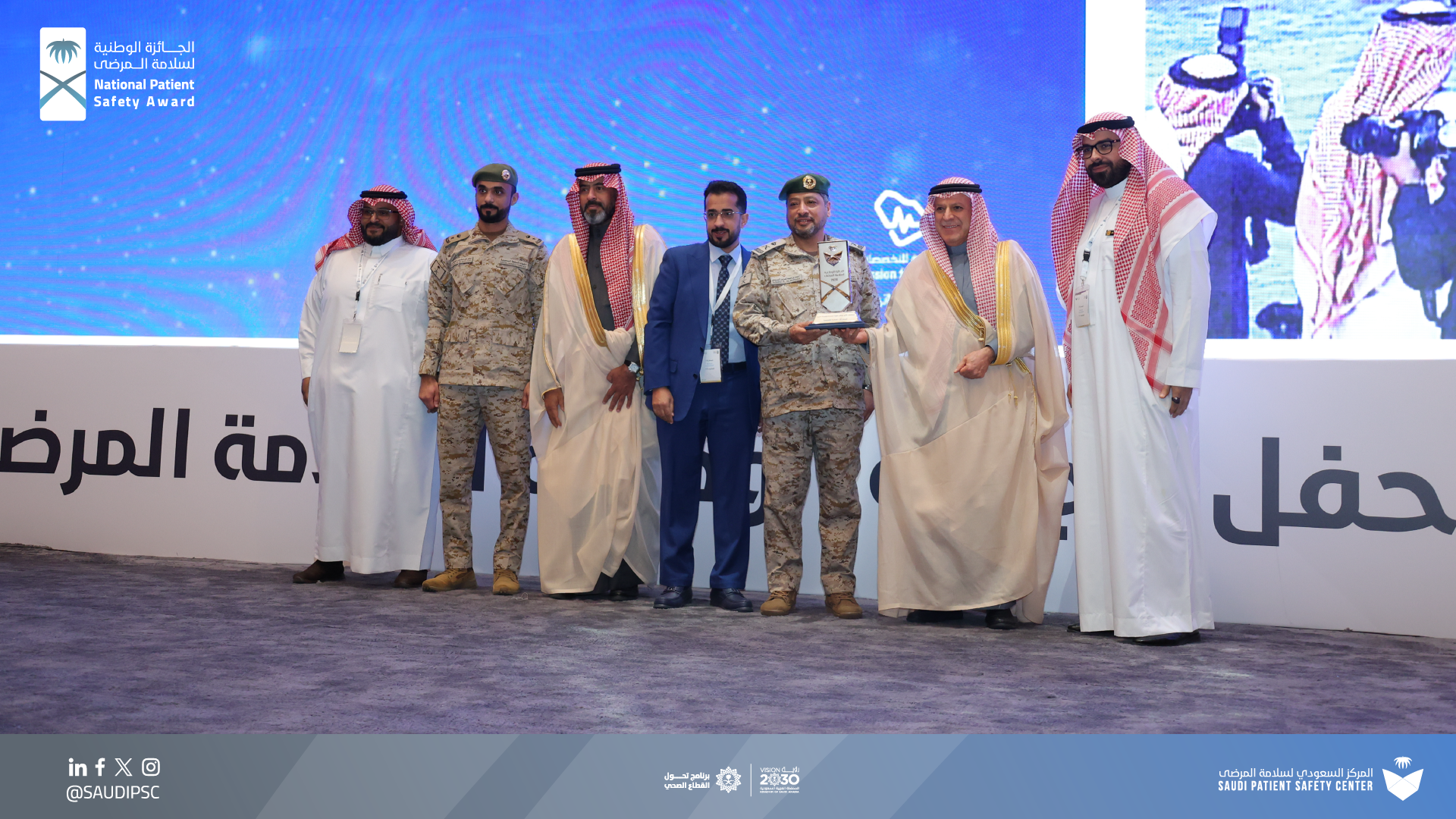
Rapid Multiplex PCR Achieves Over 99% Reduction in TAT for Respiratory Pathogen Testing Compared to Traditional Methods in the Laboratory Department until August 2024
Prince Sultan Armed Forces Hospital - Madinah
Engaging Patient in Patient Safety
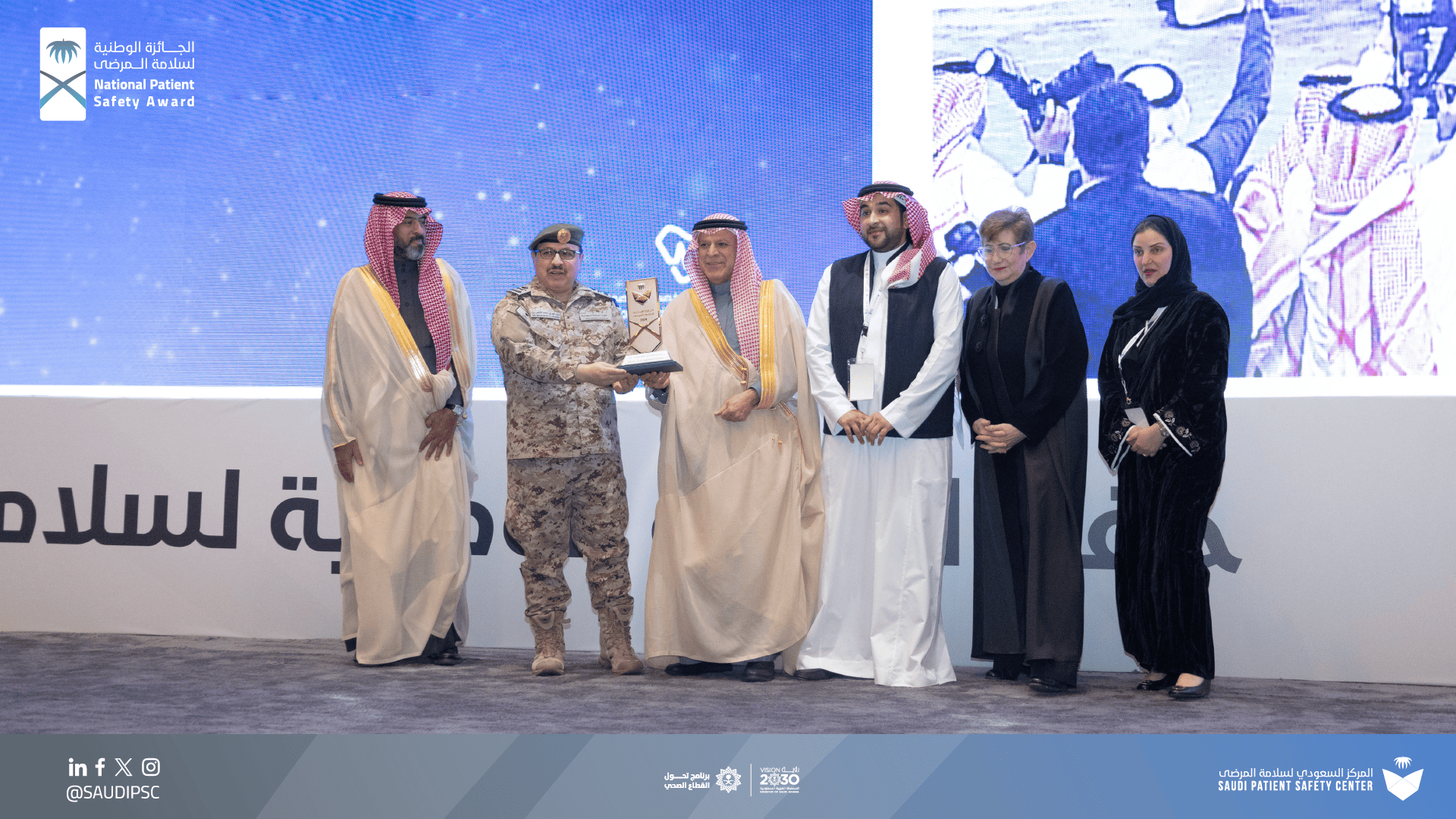
Implementing a Patient-Centered Stoma Care Guideline for Enhanced Quality of Life, Safety, and Efficiency of Care
King Fahad Armed Forces Hospital - Jeddah
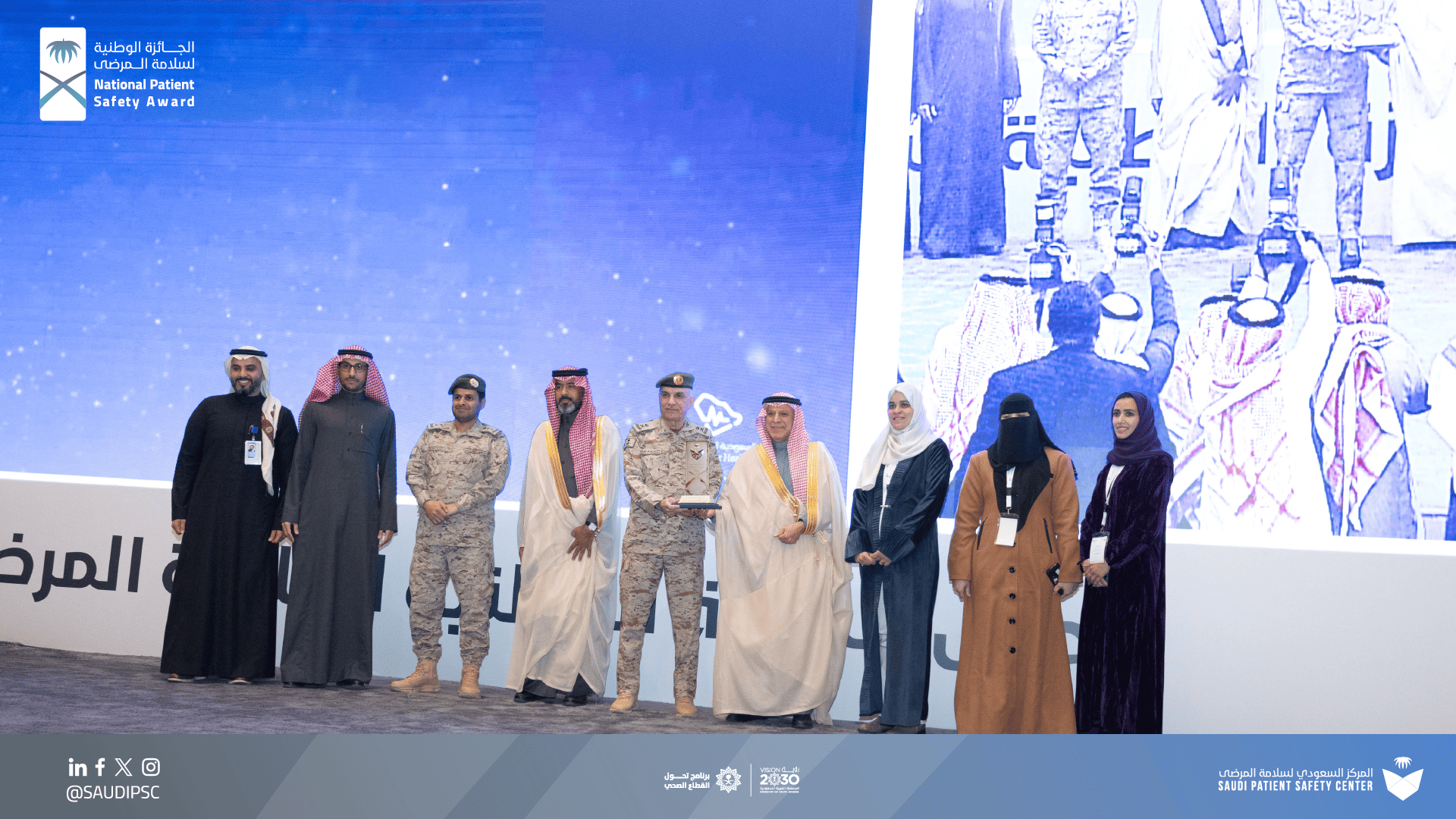
Enhancing the Involvement of Caregivers Preventable Hospital Readmission through a Structured Training Program
Prince Sultan Military Medical City - Jeddah
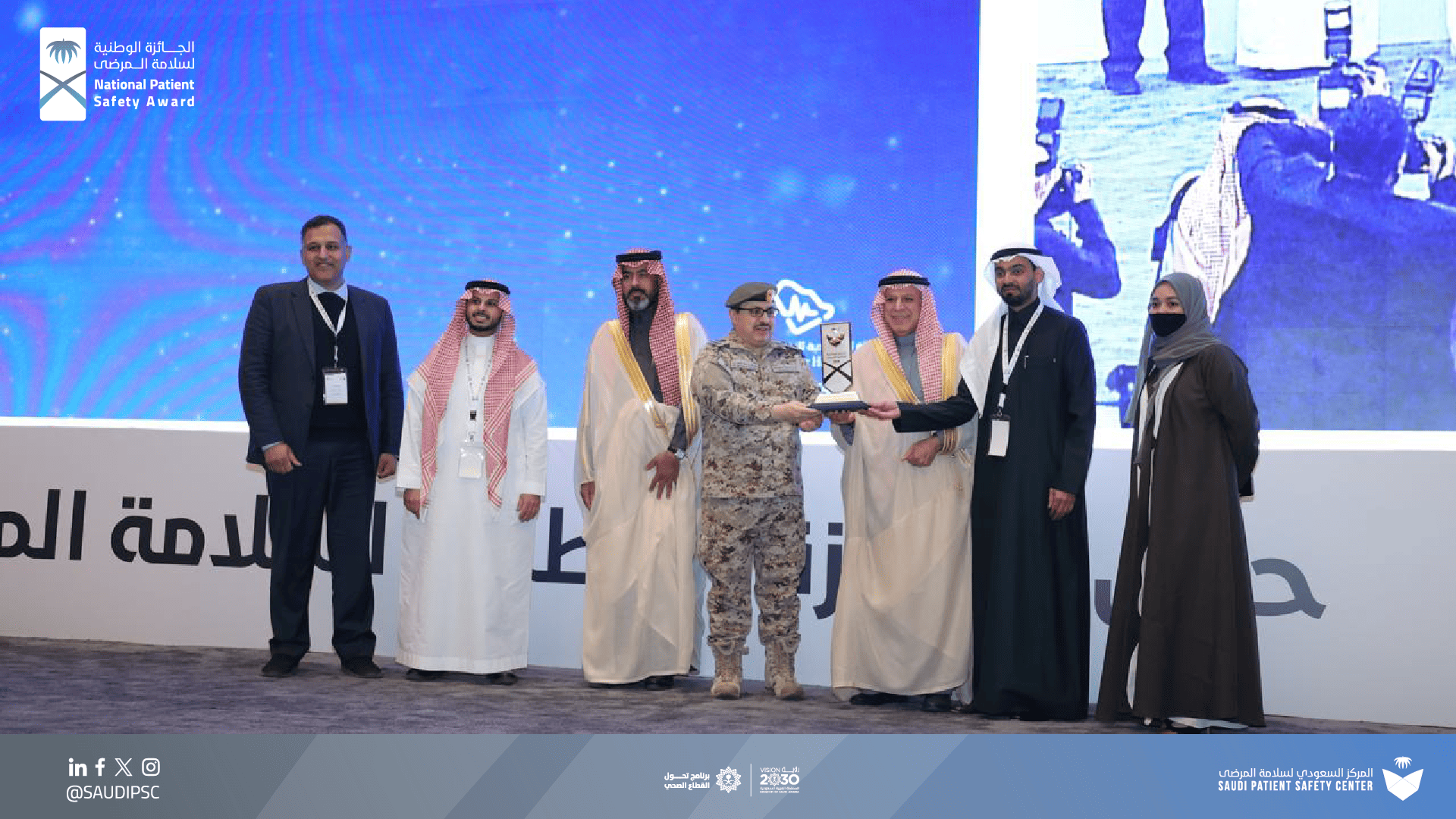
Enhancing After-Visit Summary Distribution in Pediatric Surgery Clinics: The Role of Family Engagement in Quality Improvement
King Fahad Armed Forces Hospital - Jeddah
Safe Maternity and Newborn Care

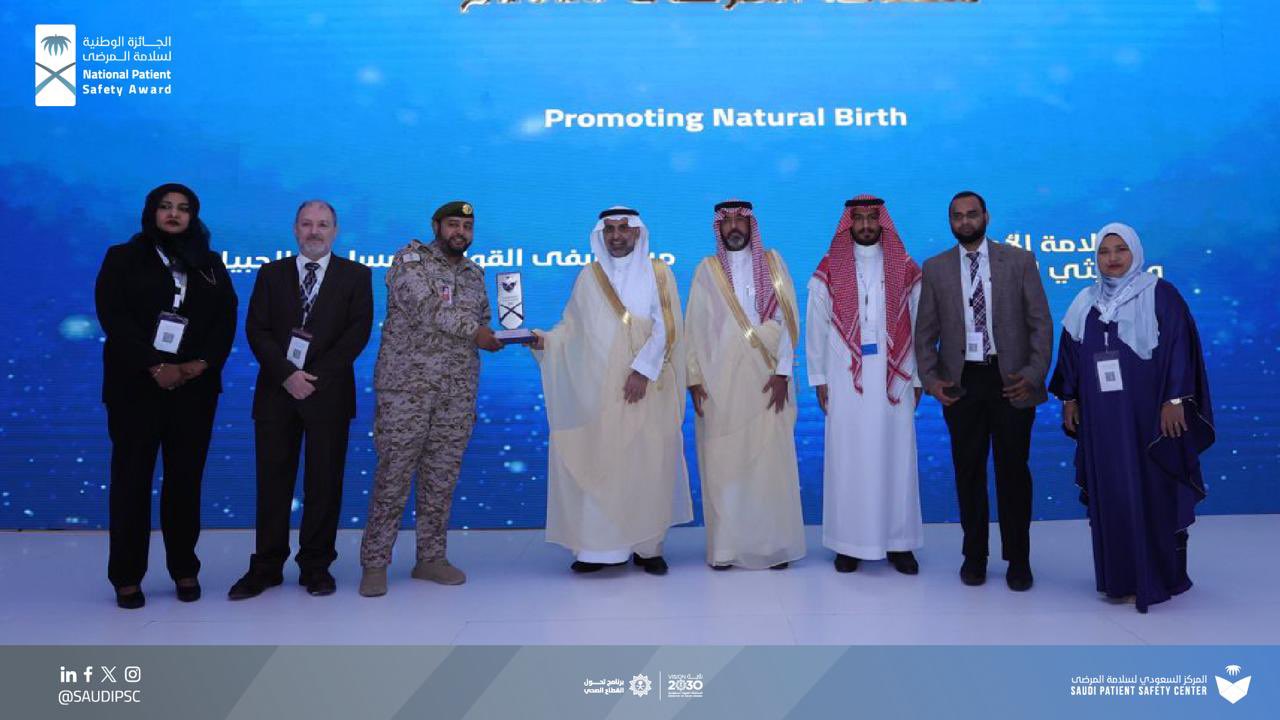
Neonatal Birth Injury Reduction
Dr. Sulaiman Al Habib Medical Group - Riyadh

Maternity Live Dashboard for Enhancement Safe Motherhood
Maternity and Children Hospital - Buraydah
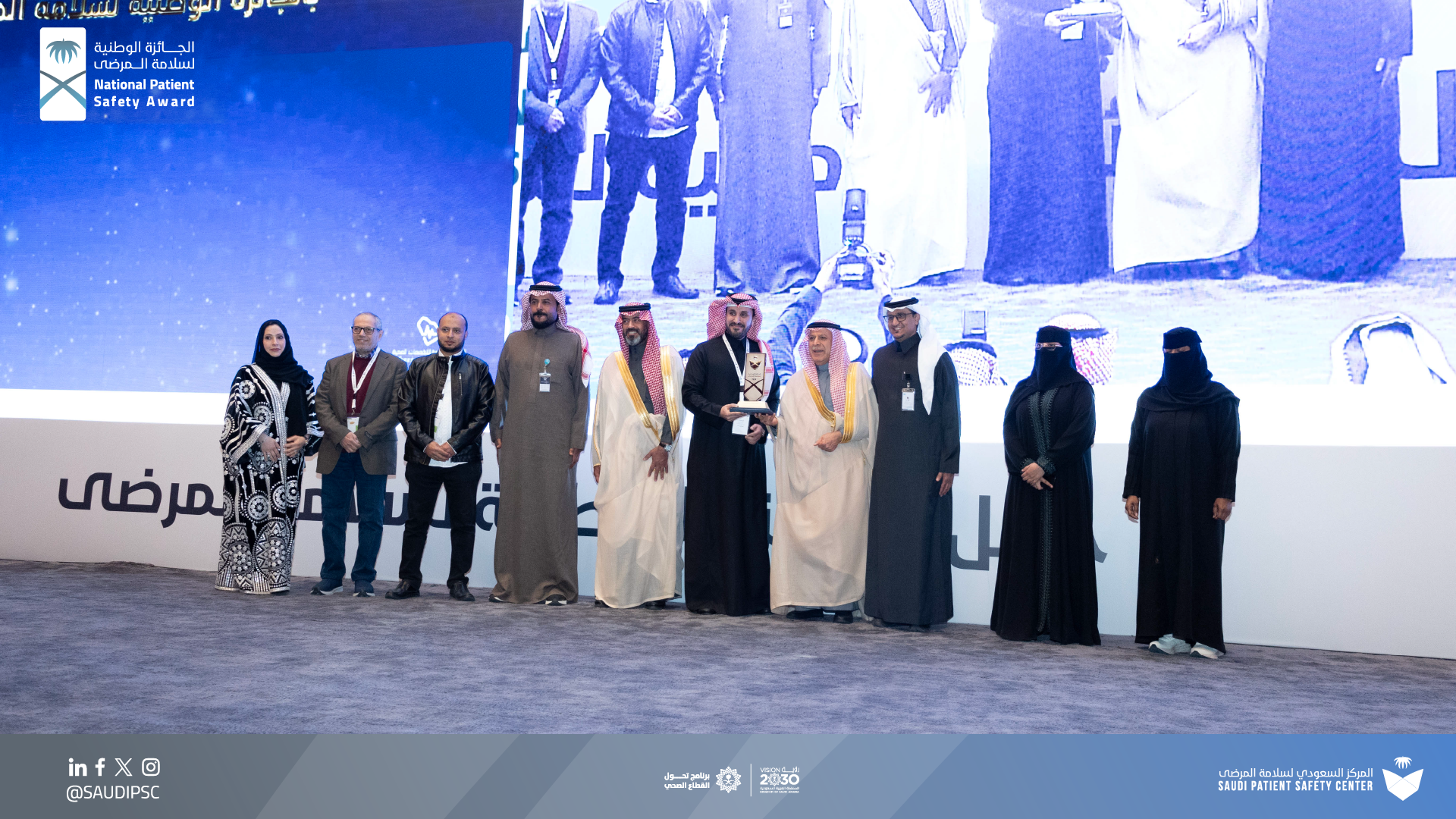
Implementation of "Code Purple" for the Management of Massive Blood Transfusion: A Comprehensive Approach to Enhance Maternal Safety
Maternity and Children Hospital - Al-Kharj
Medication Safety
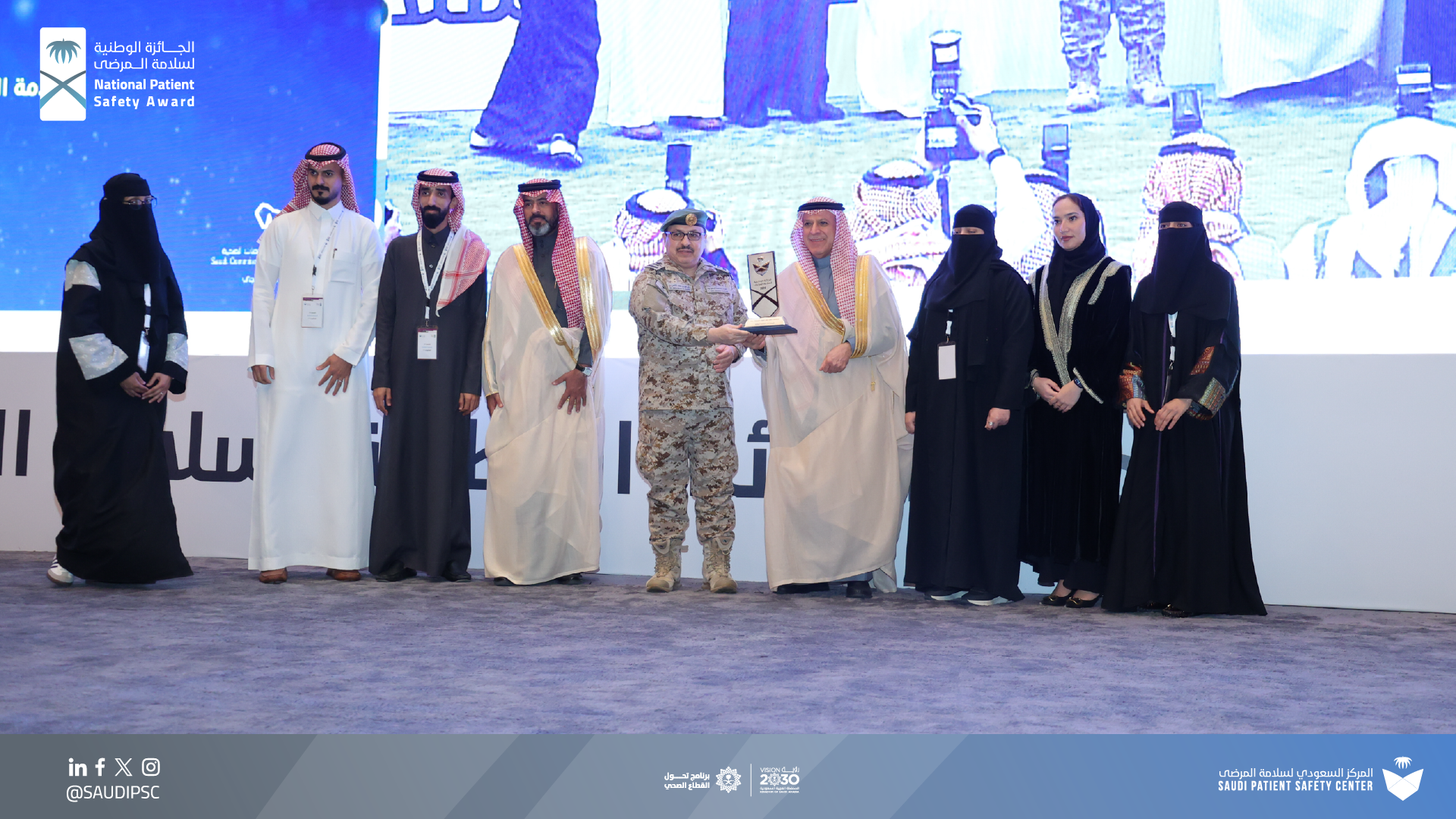
Deprescribing Medications in Geriatric Care for Better Health: Enhancing Safety, Improving Quality of Life, and Achieving Cost Savings in Alignment with Saudi Arabia's Vision 2030 Goals in Outpatient Pharmacy at KFAFH
King Fahad Armed Forces Hospital - Jeddah
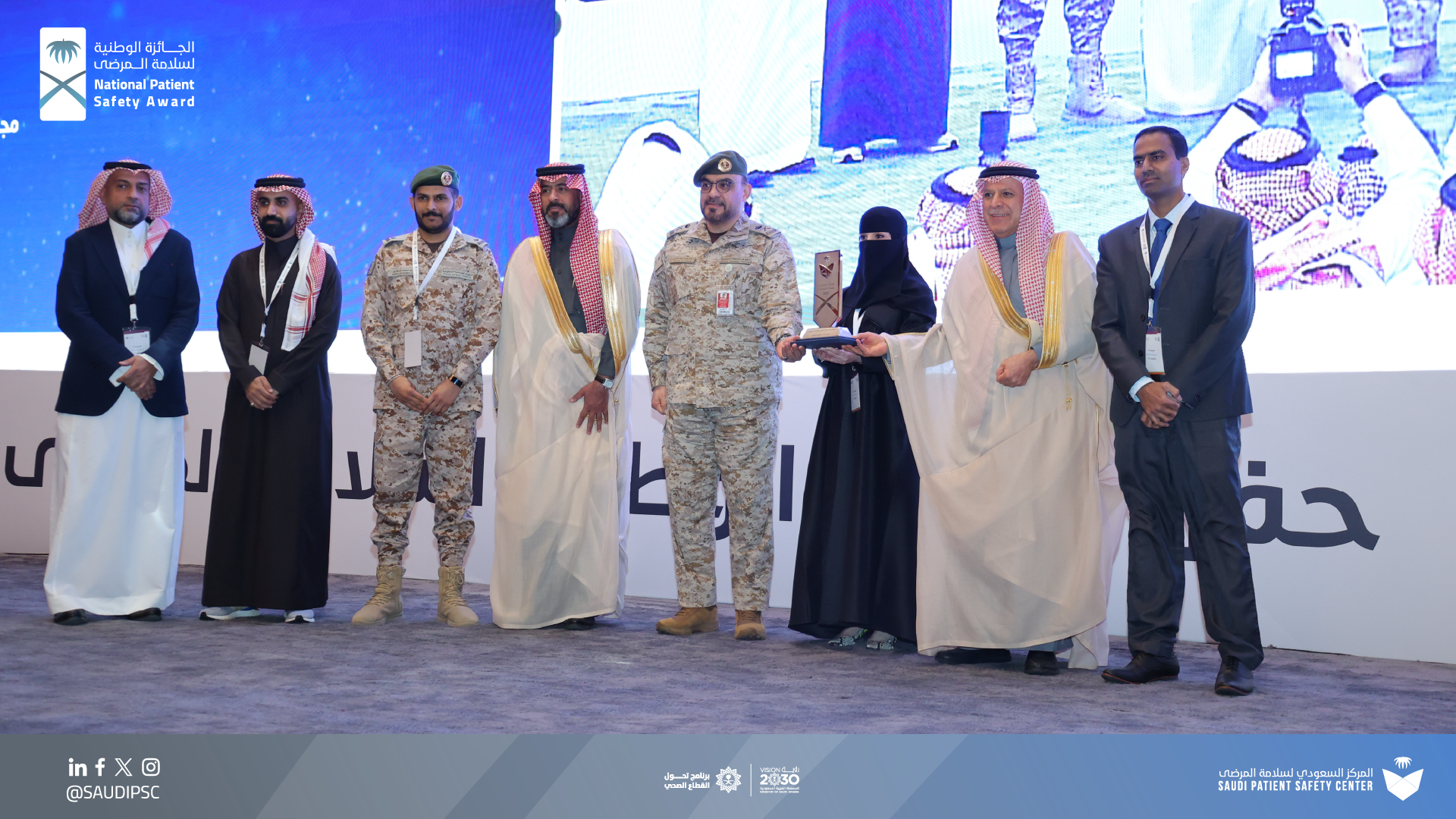
2- Optimizing Prescription Accuracy: The Role of Standardized Dosing Protocols in Reducing Electronic Prescribing Errors
King Fahd Military Medical Complex
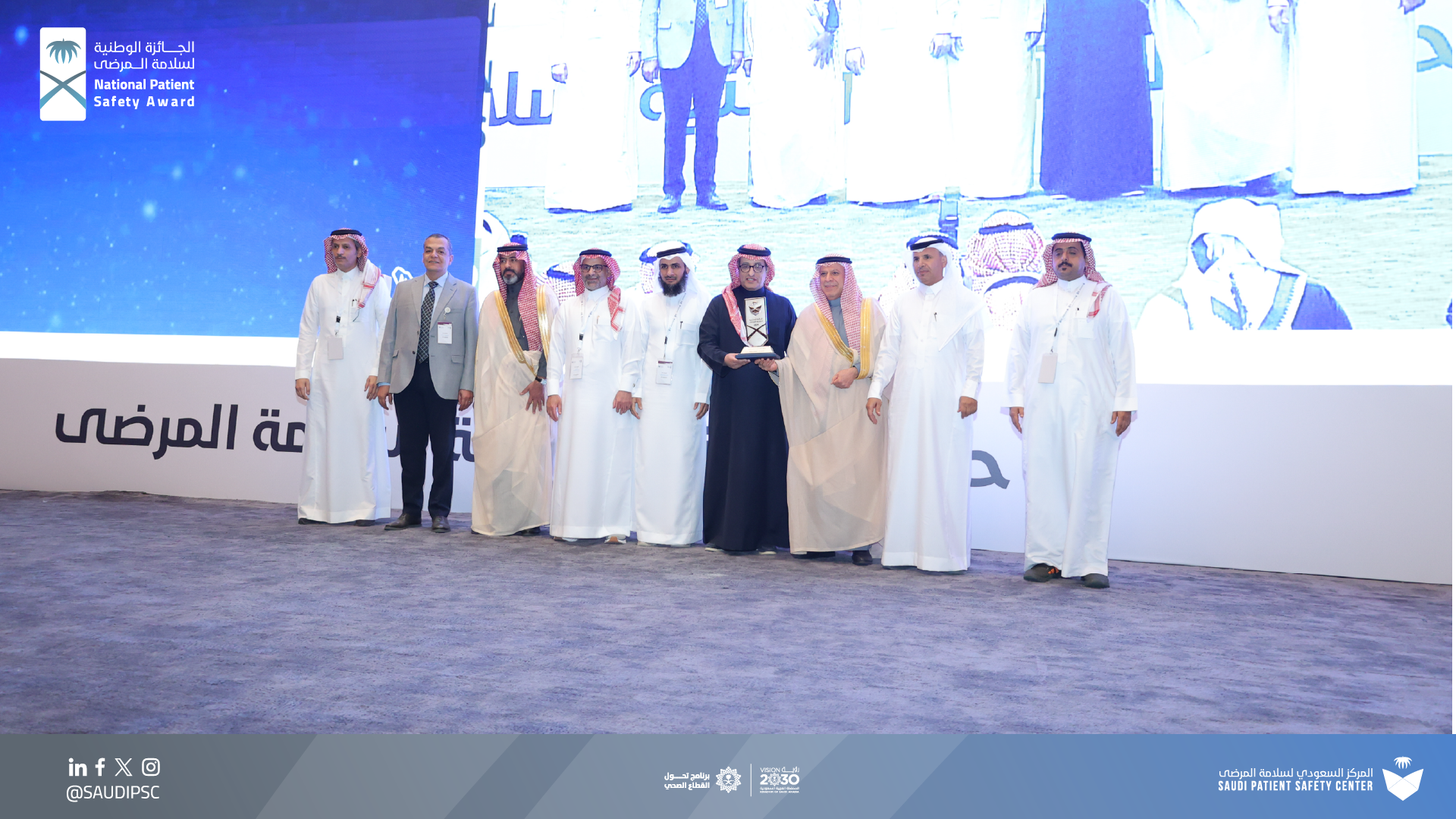
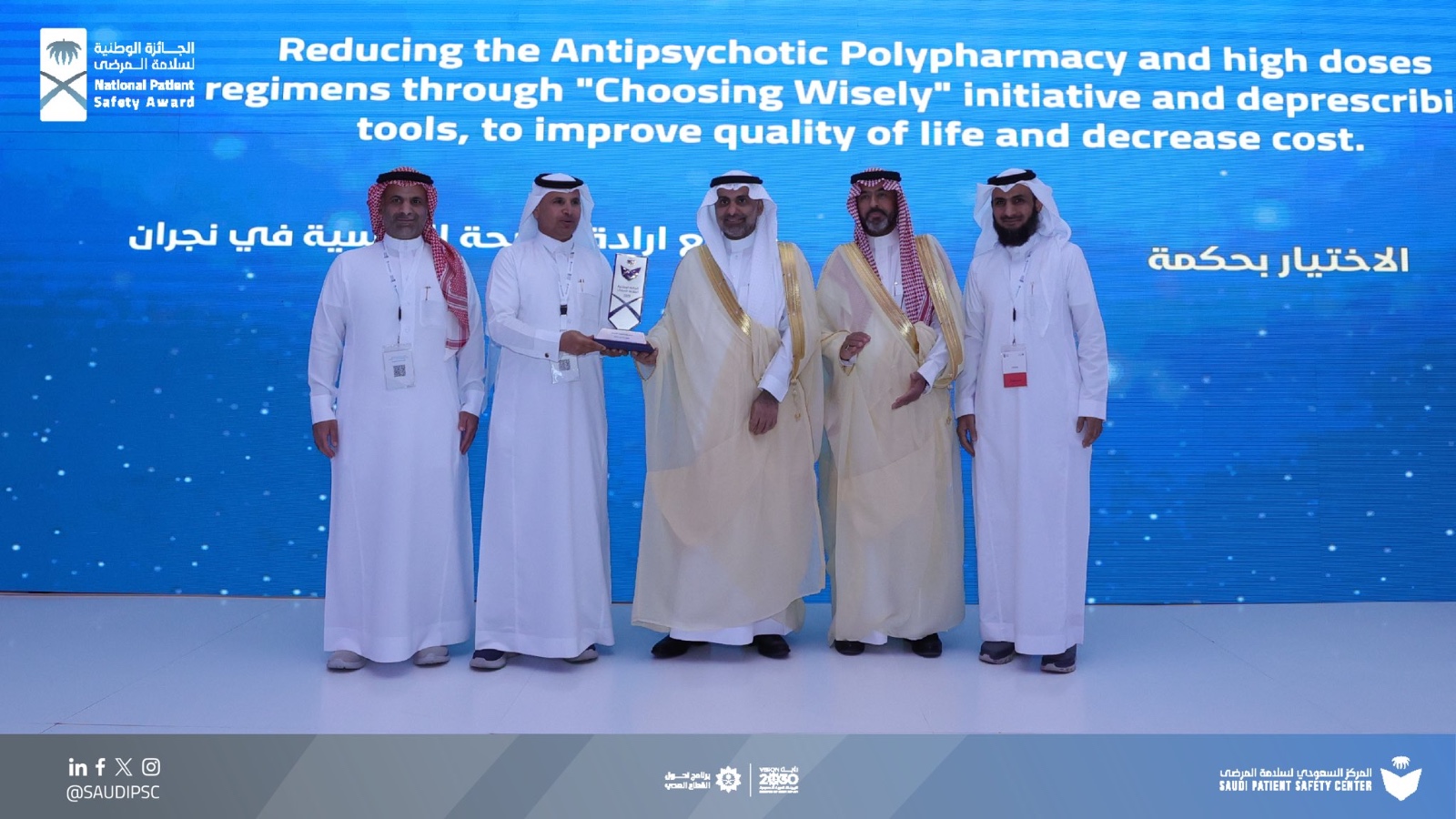
Adopting “Medication without Harm “for Detection and Prevention of Benzodiazepine Misuse, Dependence & Addiction to Improve Patient Safety and Quality of Care
Eradah Mental Health Complex -Najran
Safe Surgery
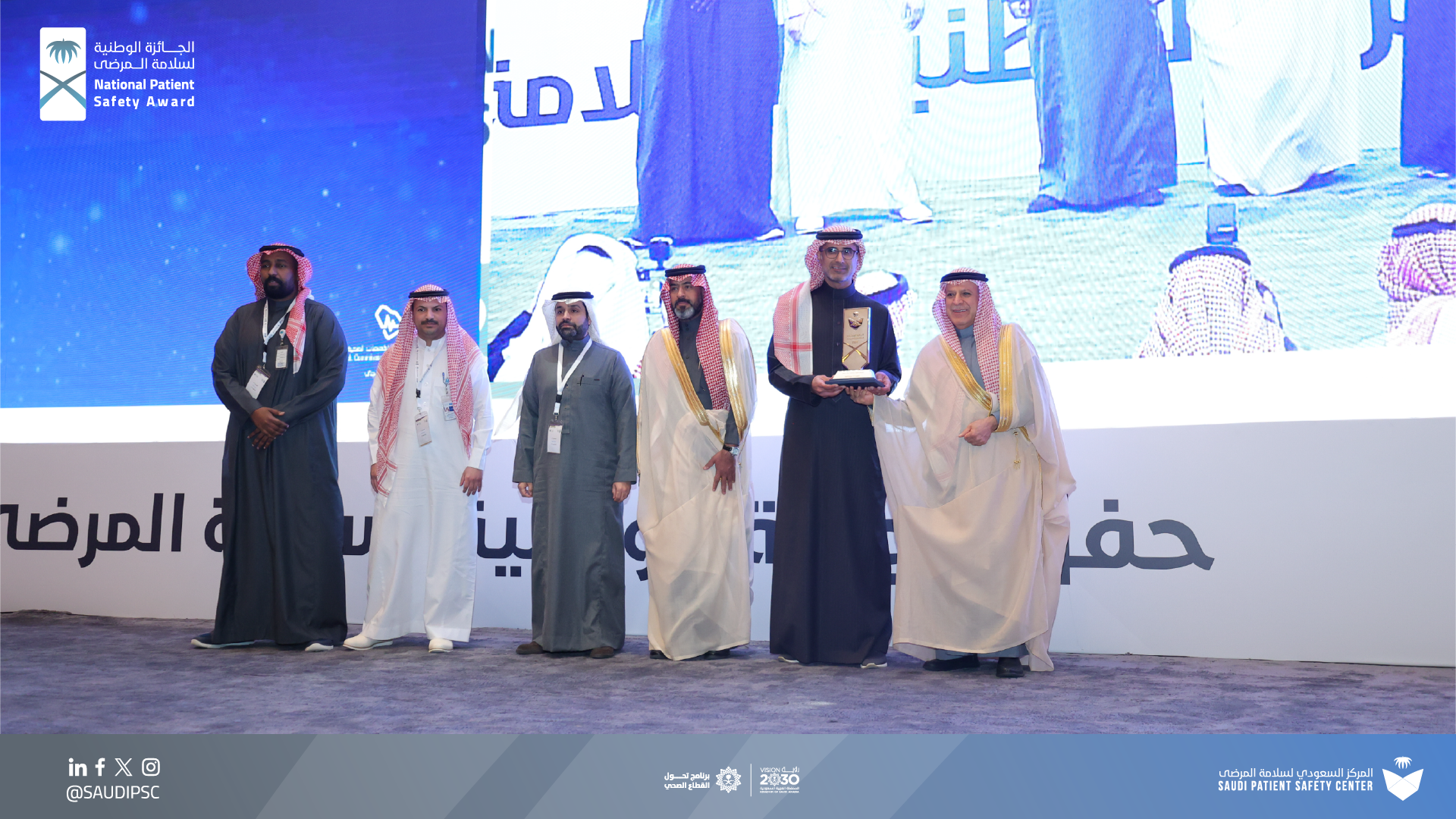
Enhancing the Surgical Services Outcomes with the Implementation of the Integrated Preoperative Care Unit (IPCU)
Medical City, King Saud University
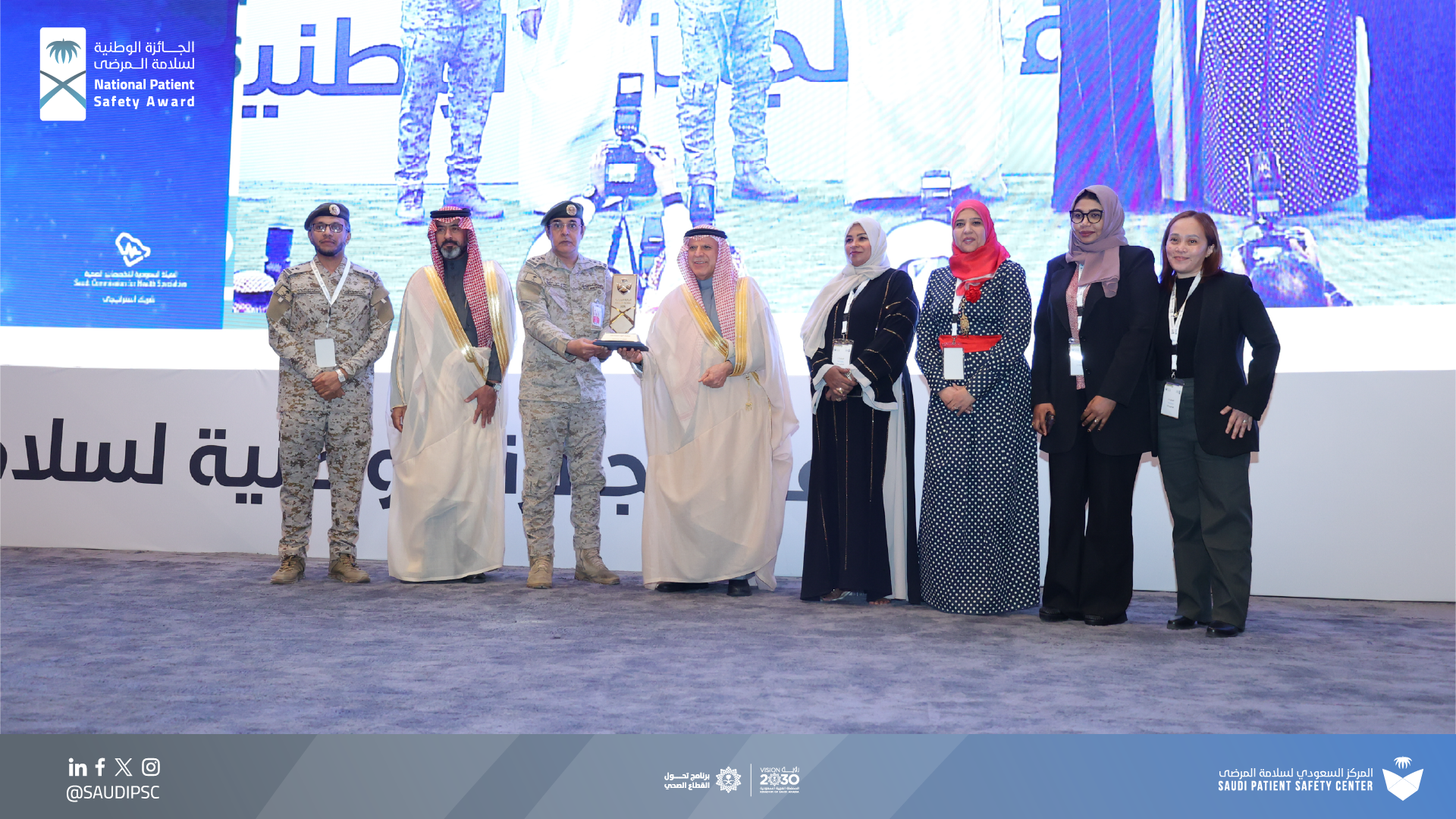
Reducing Postdural Puncture Headache Incidence at Najran Armed Forces Hospital
Armed Forces Hospital - Najran
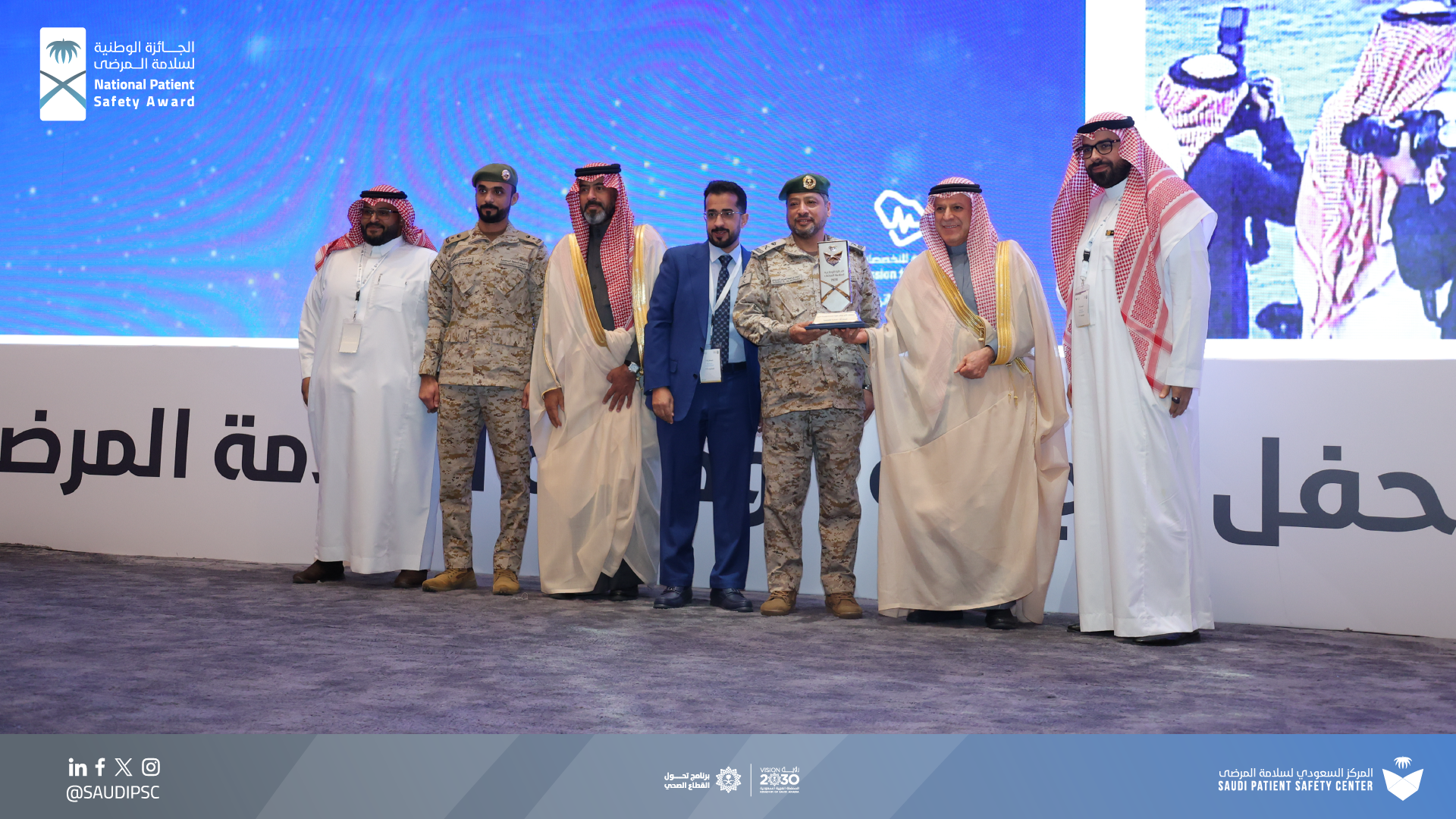
Improving Operating Room (OR) Performance to Maximize Utilization and Reduce Surgical Waiting Lists
Eye Specialist Hospital - Dhahran
Patient Safety Training
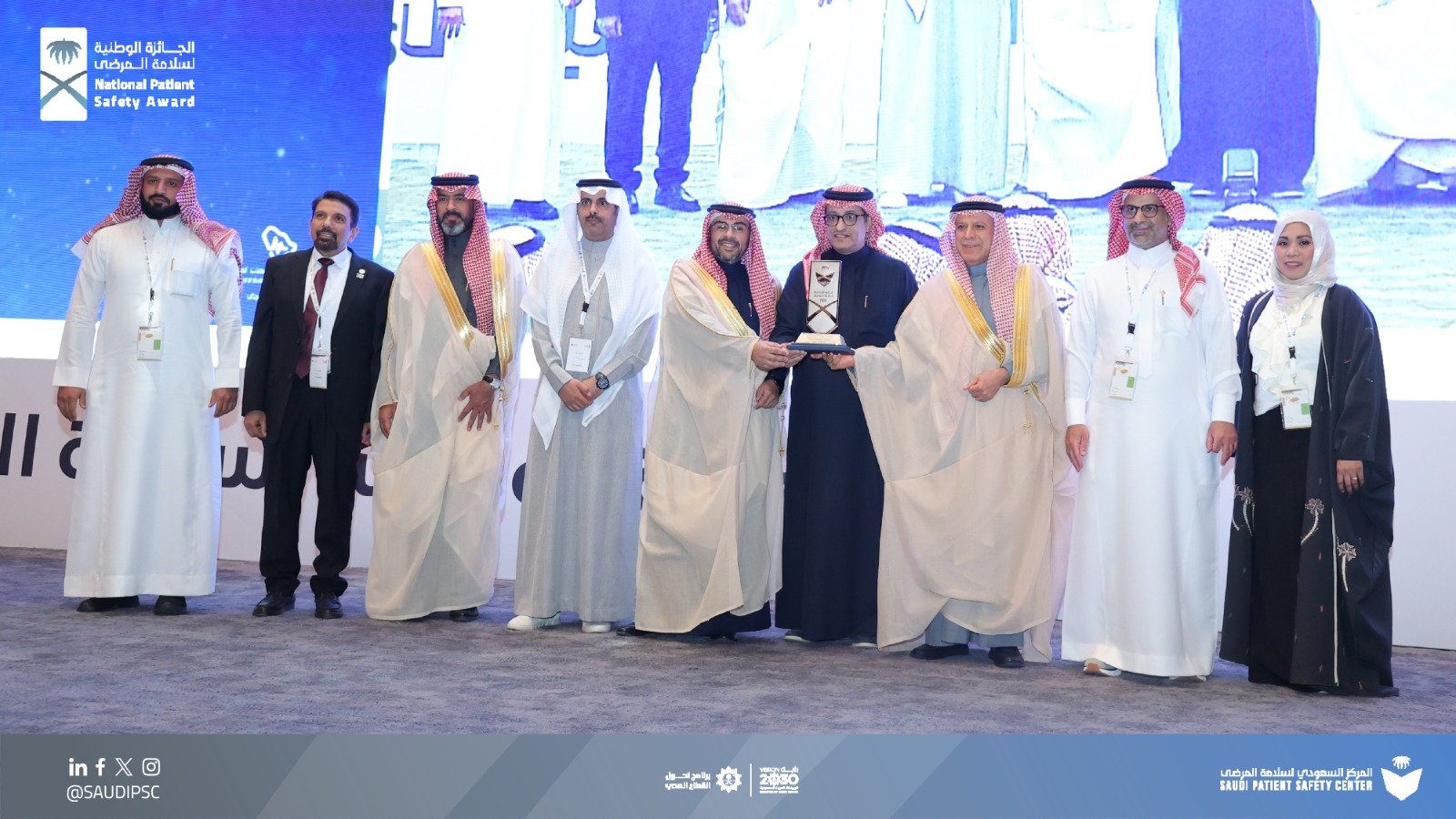
TeamSTEPPS Training for Diagnosis Improvement Program
Eradah Mental Health Complex - Najran
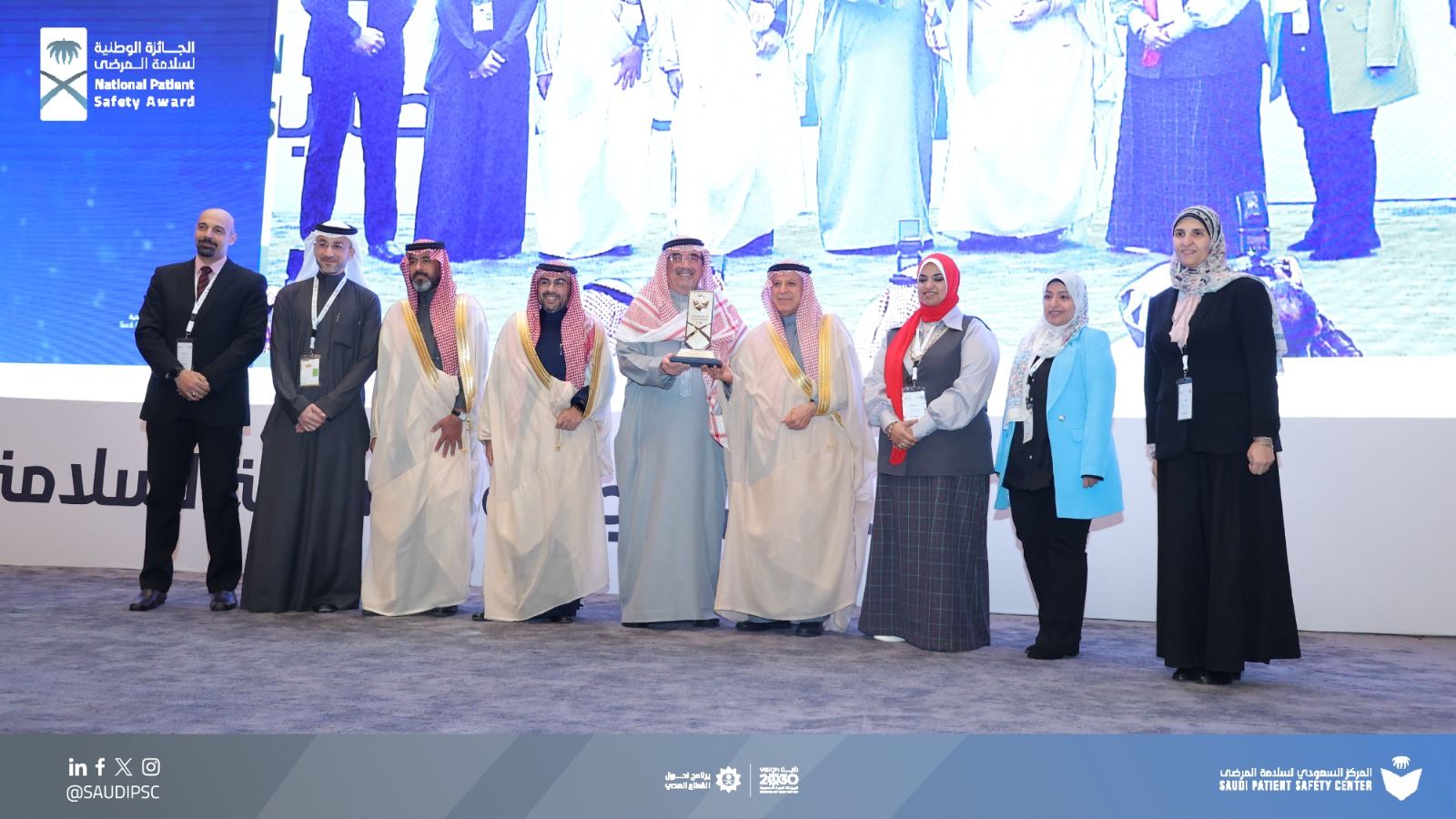
Integrating the Patient Safety Learning and Practice into MBBS Curriculum: A Project Initiative at Fakeeh College for Medical Sciences, Saudi Arabia
Fakeeh College for Medical Sciences
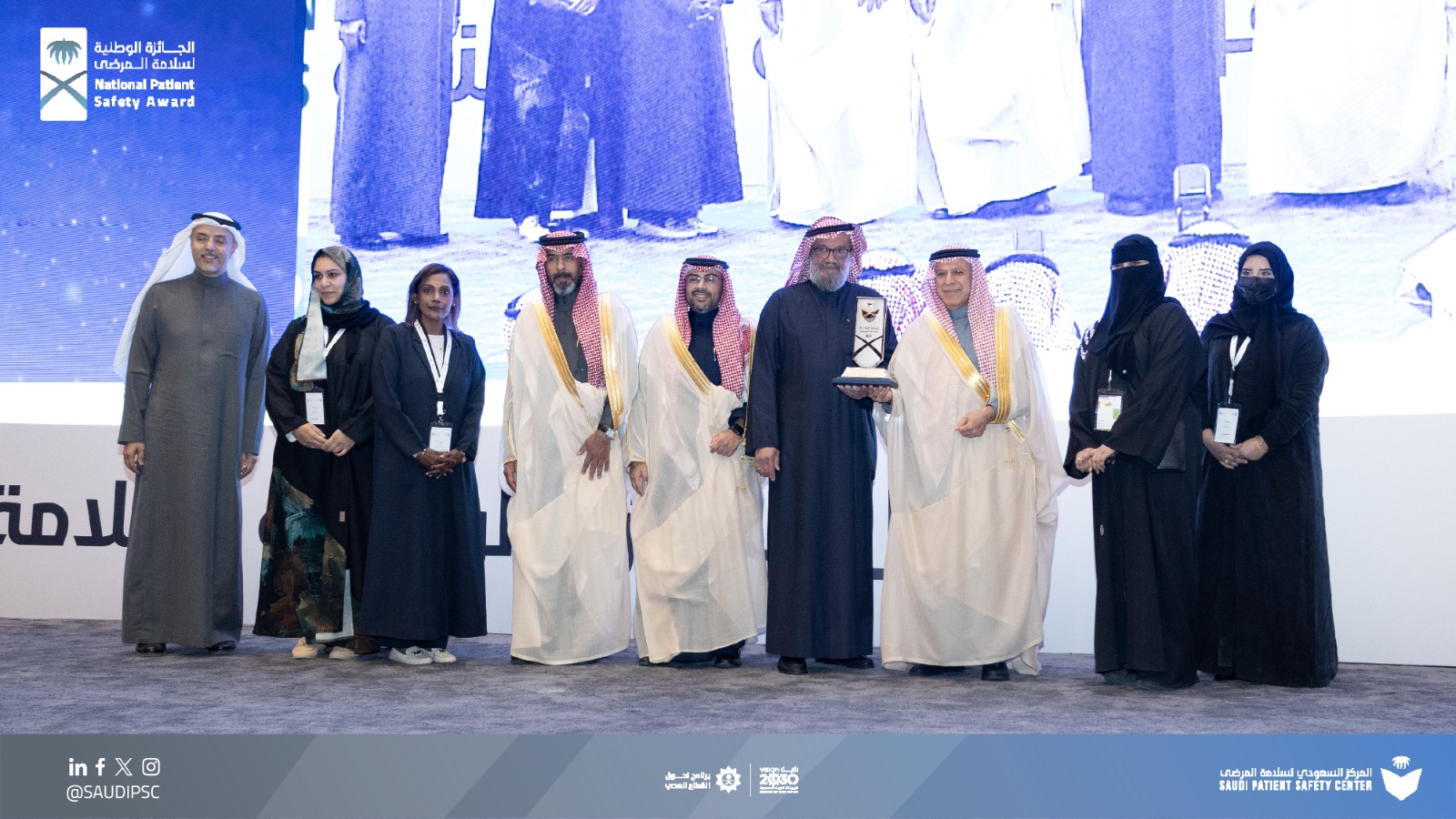
The Practice Transition Accreditation Program
King Fahad Specialist Hospital - Dammam
Choosing Wisely
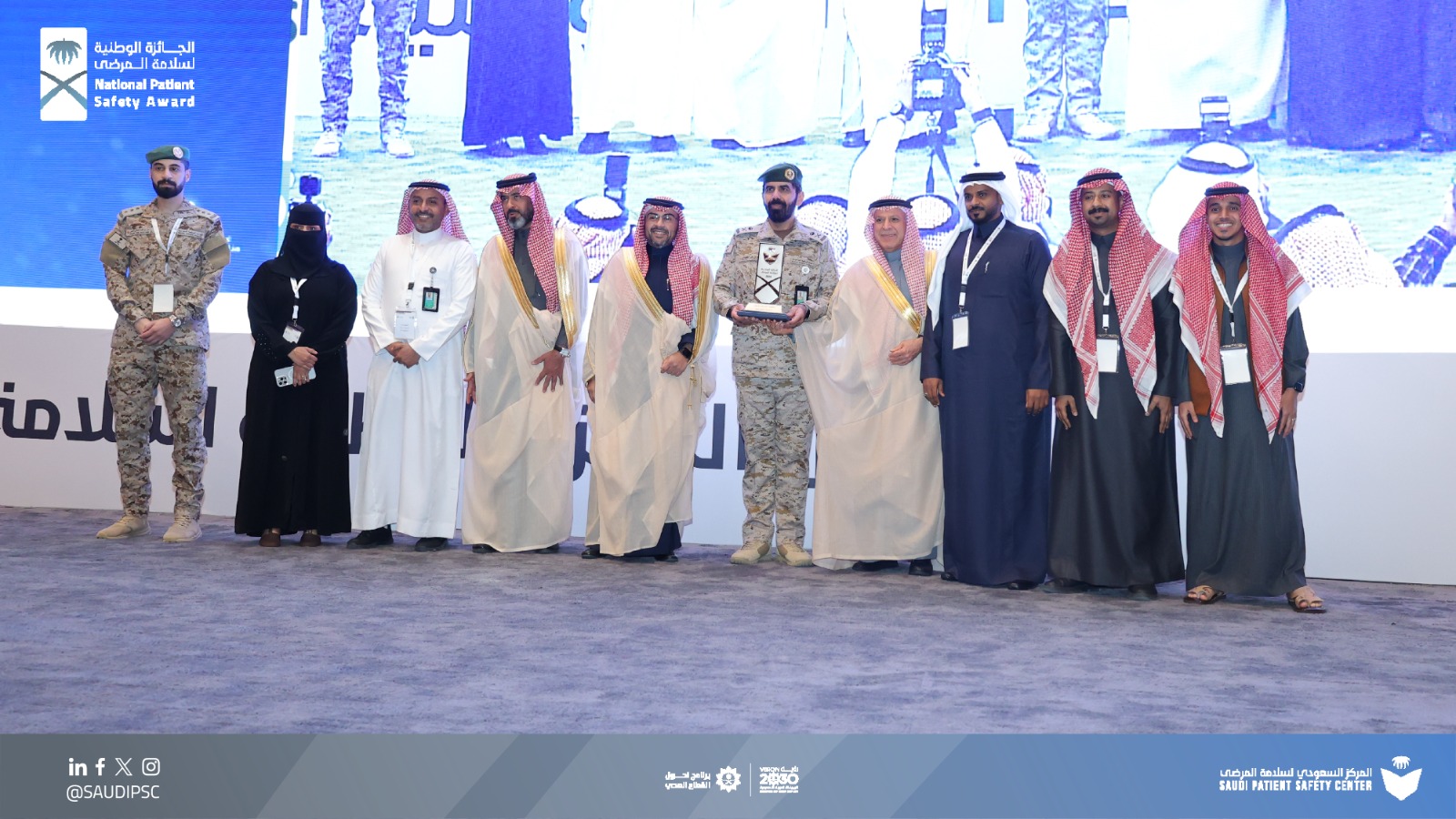
Cost Reduction and Impact of Pharmacist Led-Intervention Program on Stress Ulcer Prophylaxis Protocol Adherence in non-ICU Hospital Wards
Armed Forces Hospital in Jazan
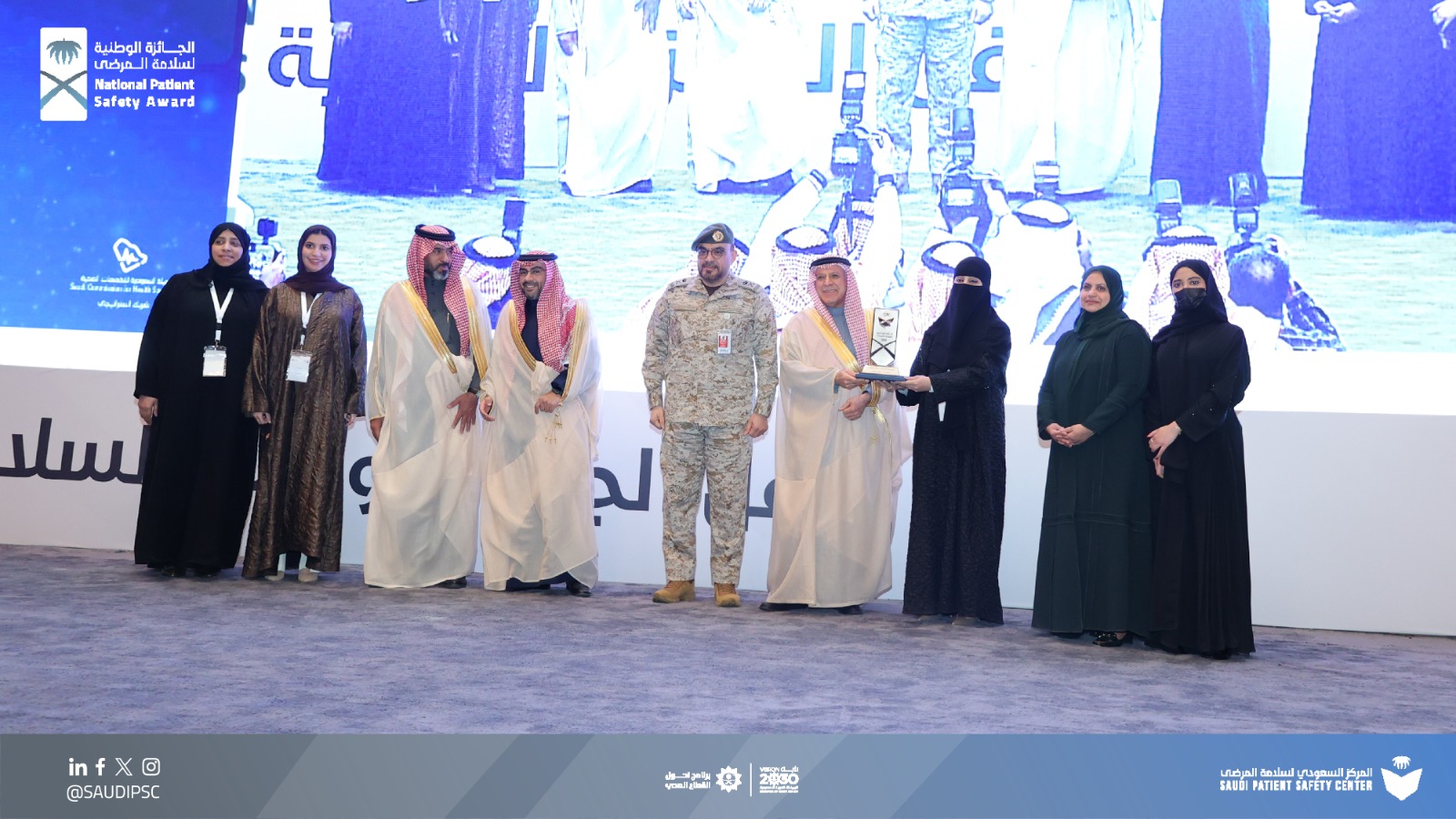
Enhancing Patent Safety and cost-Effectiveness: The Role of Early MRI in Emergency Stroke Care
King Fahad Armed Forces Hospital - Dhahran
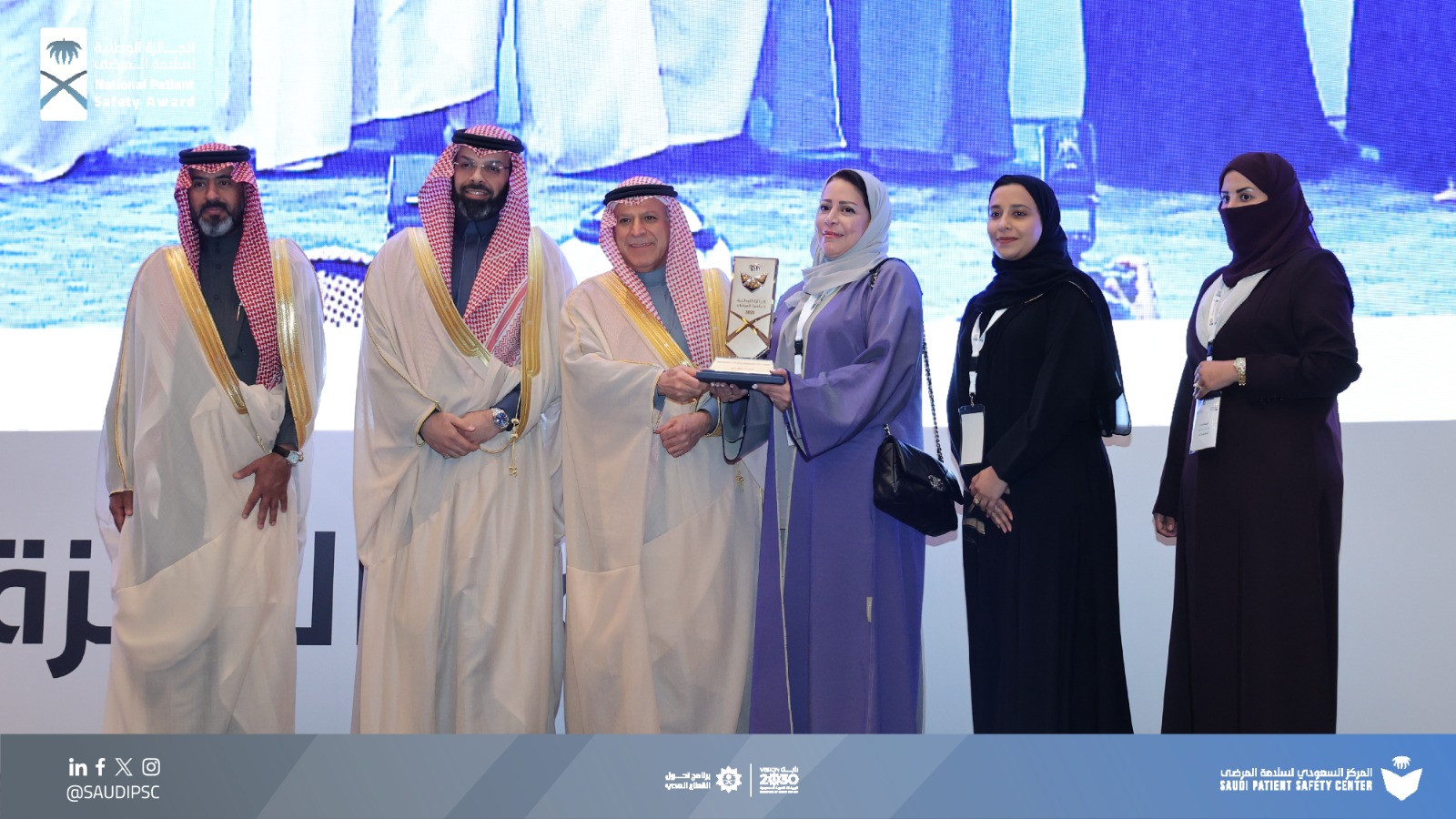
Enhancing Patient Engagement and Safety through a Modified Breast Clinical Pathway
King Faisal Specialist Hospital & Research Centre - Madinah
General Patient Safety Track
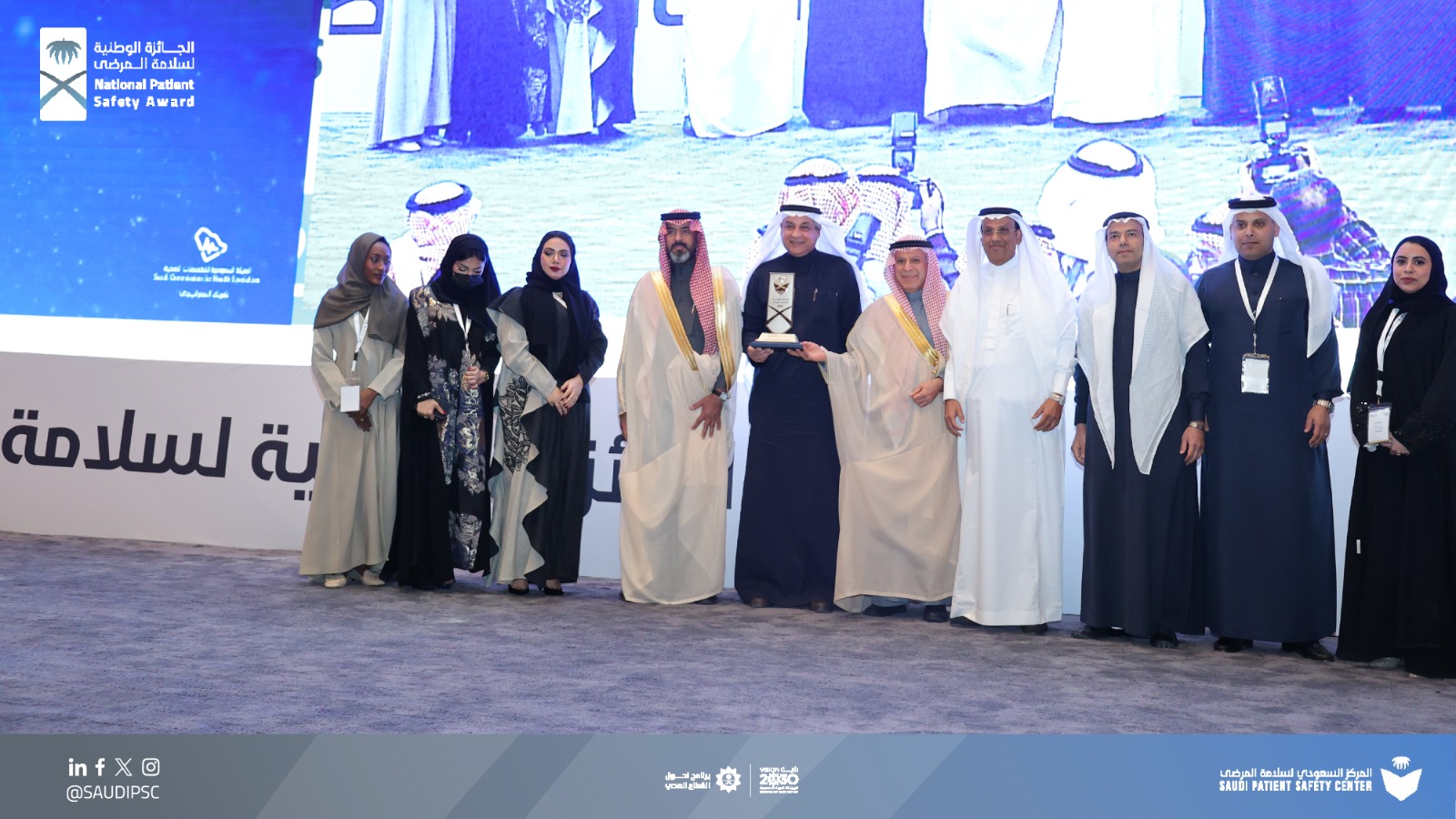
Decrease the Number of CAUTI Cases in Acute Care Admission Unit (ACAU)
King Faisal Specialist Hospital & Research Centre - Jeddah
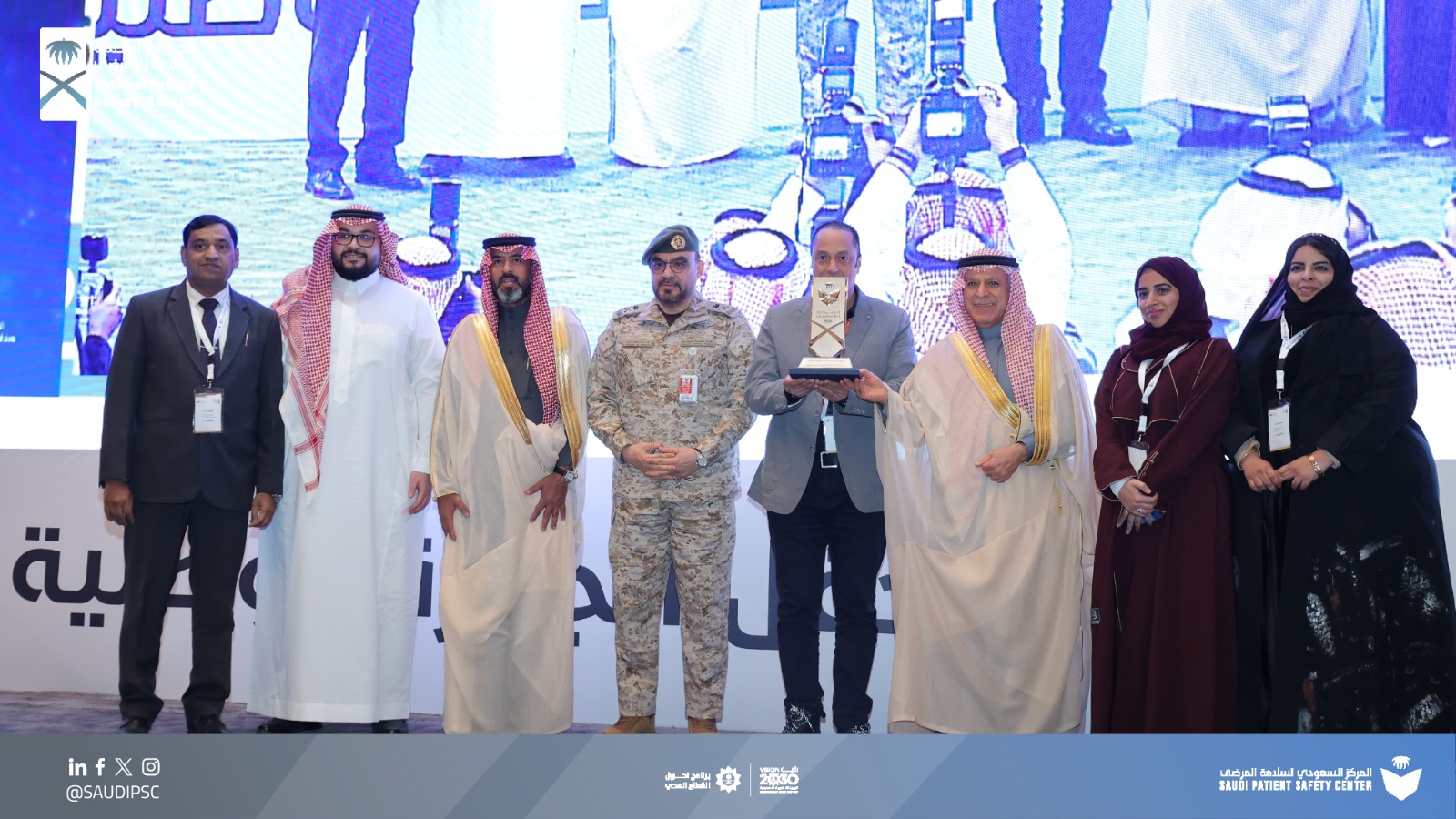
Enhancing Patient Safety Through the Implementation of a Novel Pulmonary Embolism Response Team
King Fahad Armed Forces Hospital - Dhahran
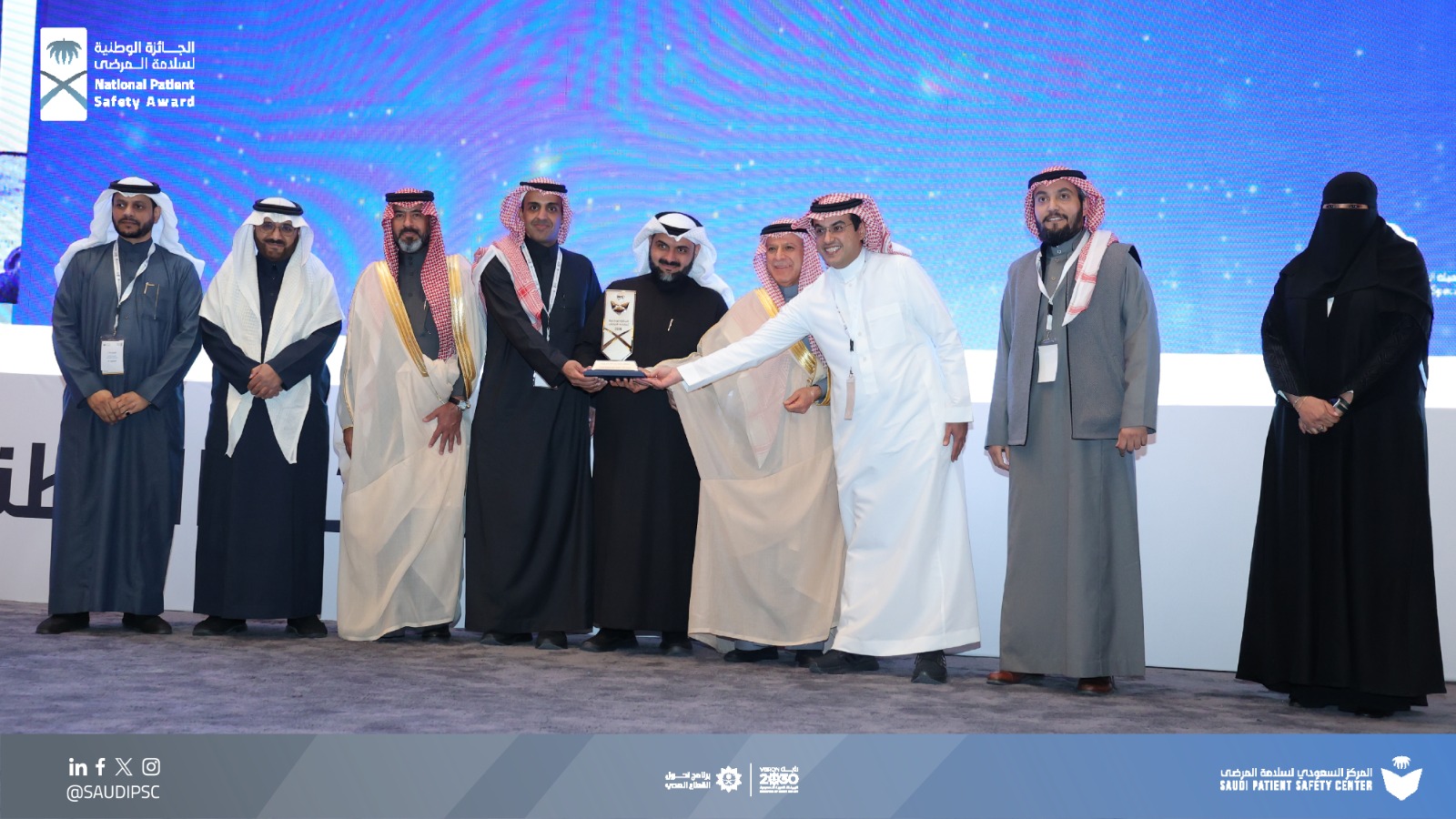
Advanced Per-oral Endoscopic Myotomy (A-POEM) to Enhance Patient Safety and Care Quality in Gastro Endoscopy for Achalasia
King Fahad Specialist Hospital - Buraydah
Mentorship Track
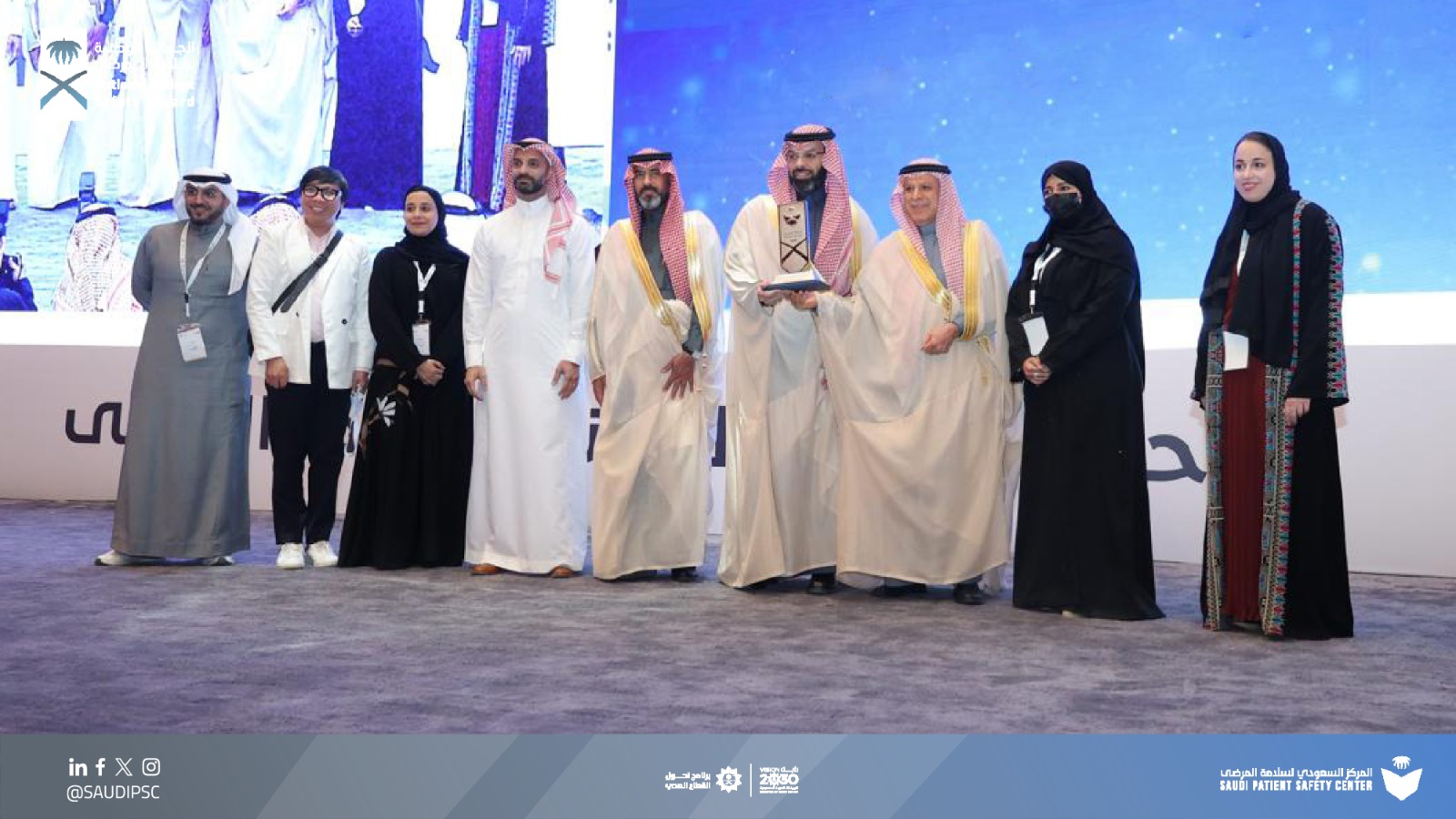
Implementation and spread of Mentorship and CUSP Program: Comprehensive Unit-based Safety Program to Improve Unit-level Patient Medication Safety to Achieve Medication Without Harm
Eradah Mental Health Complex - Najran
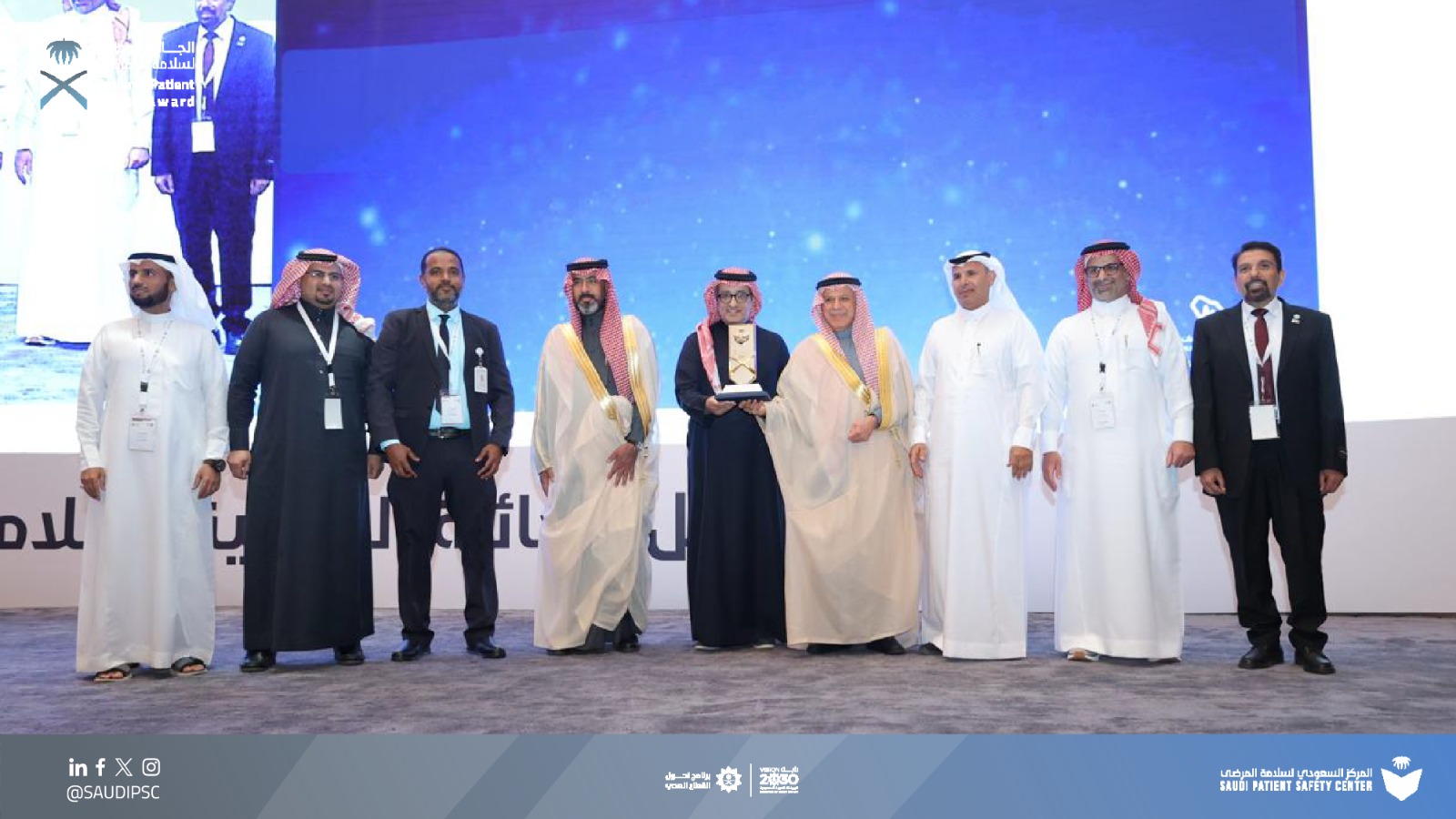
Hospital Wide Supervised Management (Strategic Management and Oversight Approach for Patient Safety Improvement: Optimizing Project Implementation and Outcomes)
King Faisal Specialist Hospital & Research Centre - Madinah
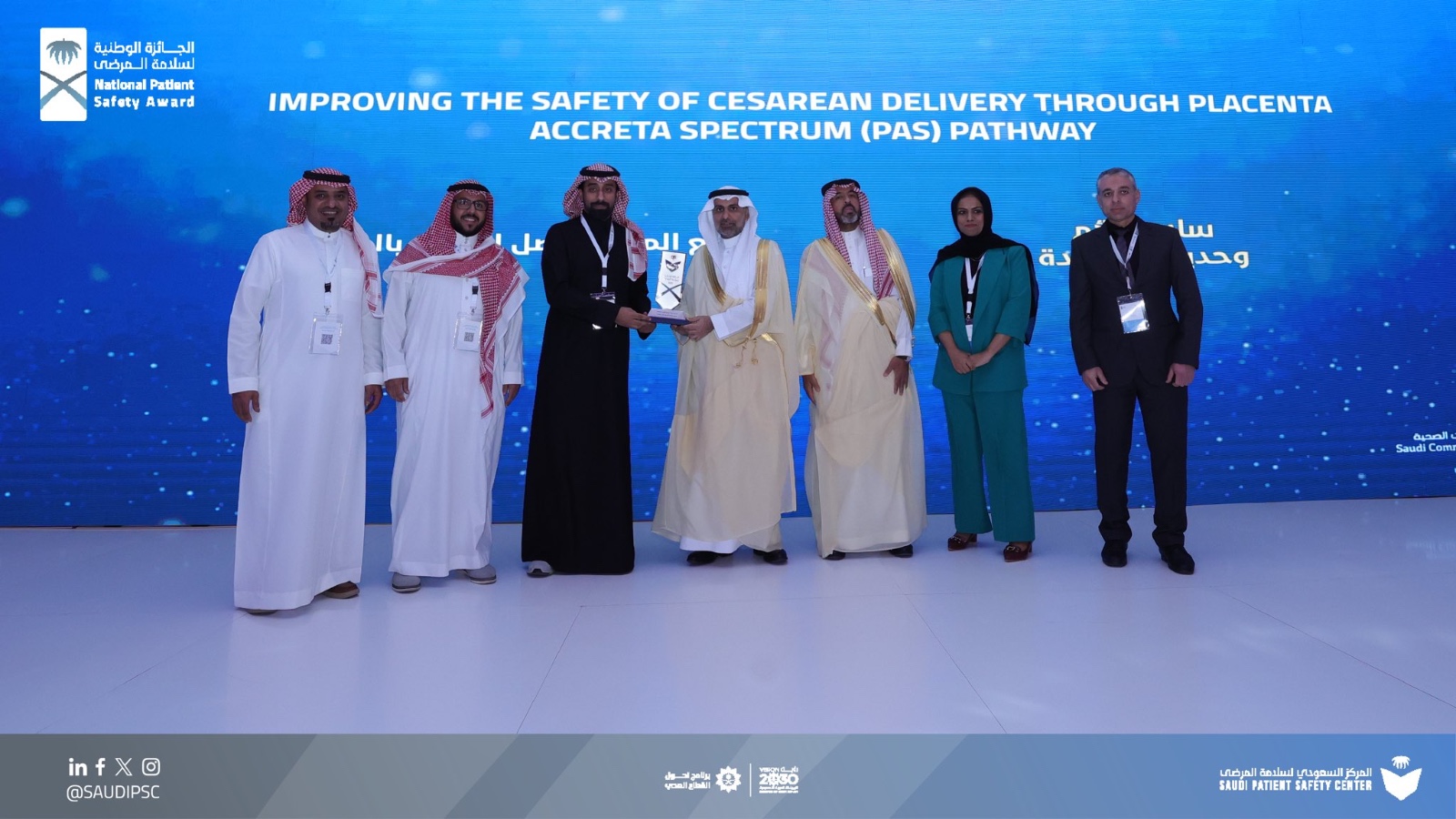
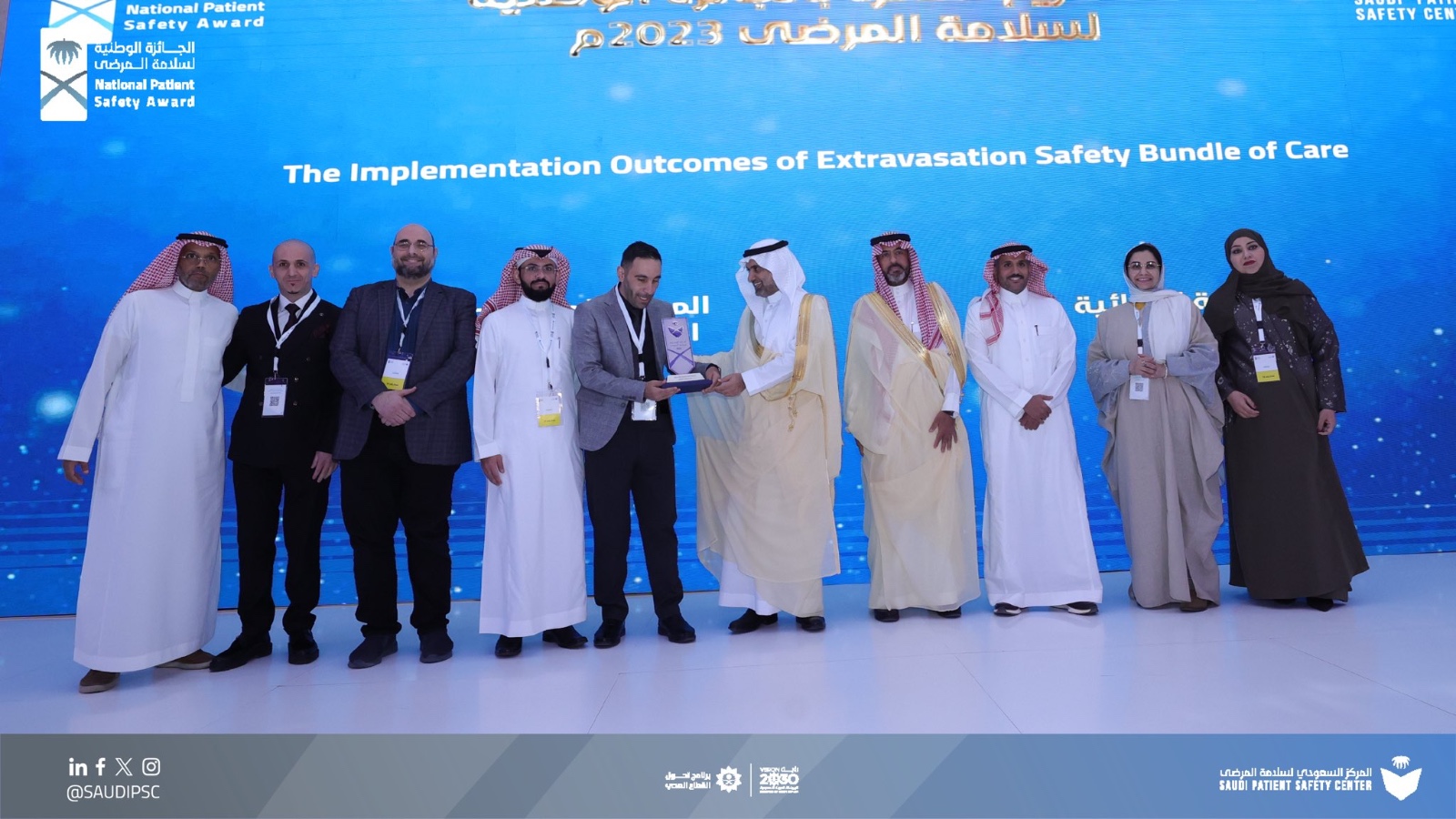
Implementation Outcomes of Extravasation Safety Bundle of Care.
Medical Centre Hospital – King Abdullah Road
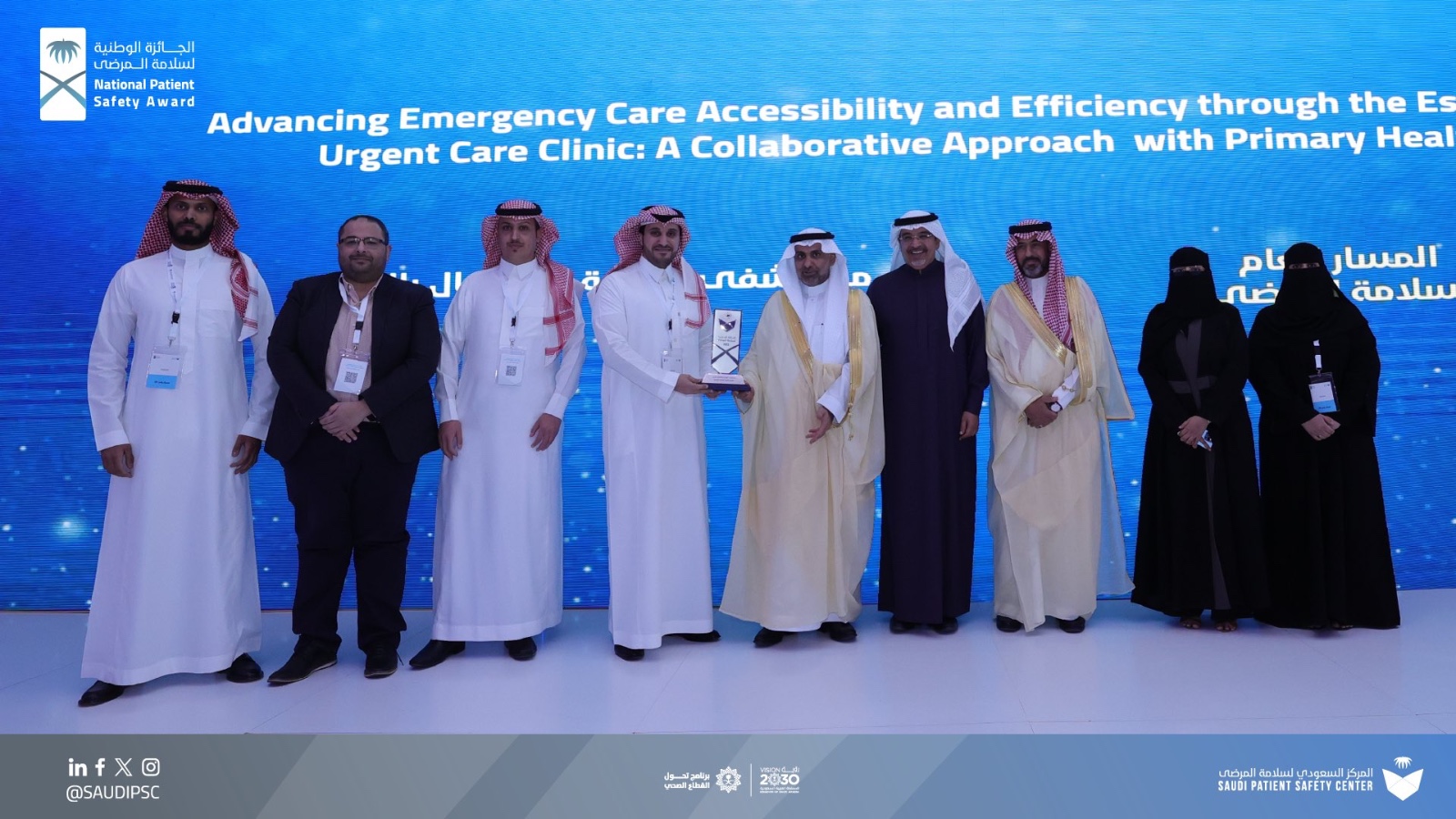
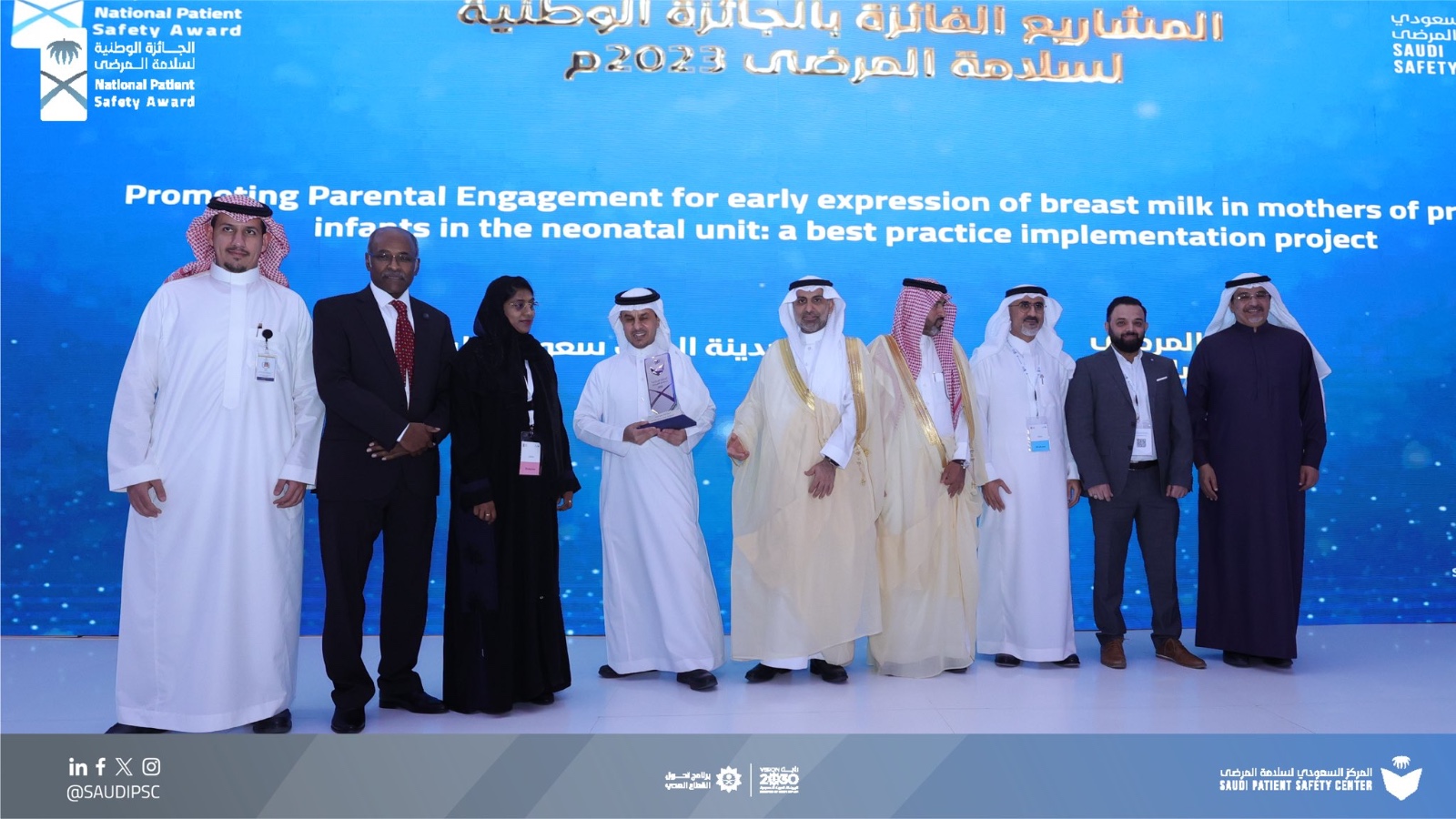
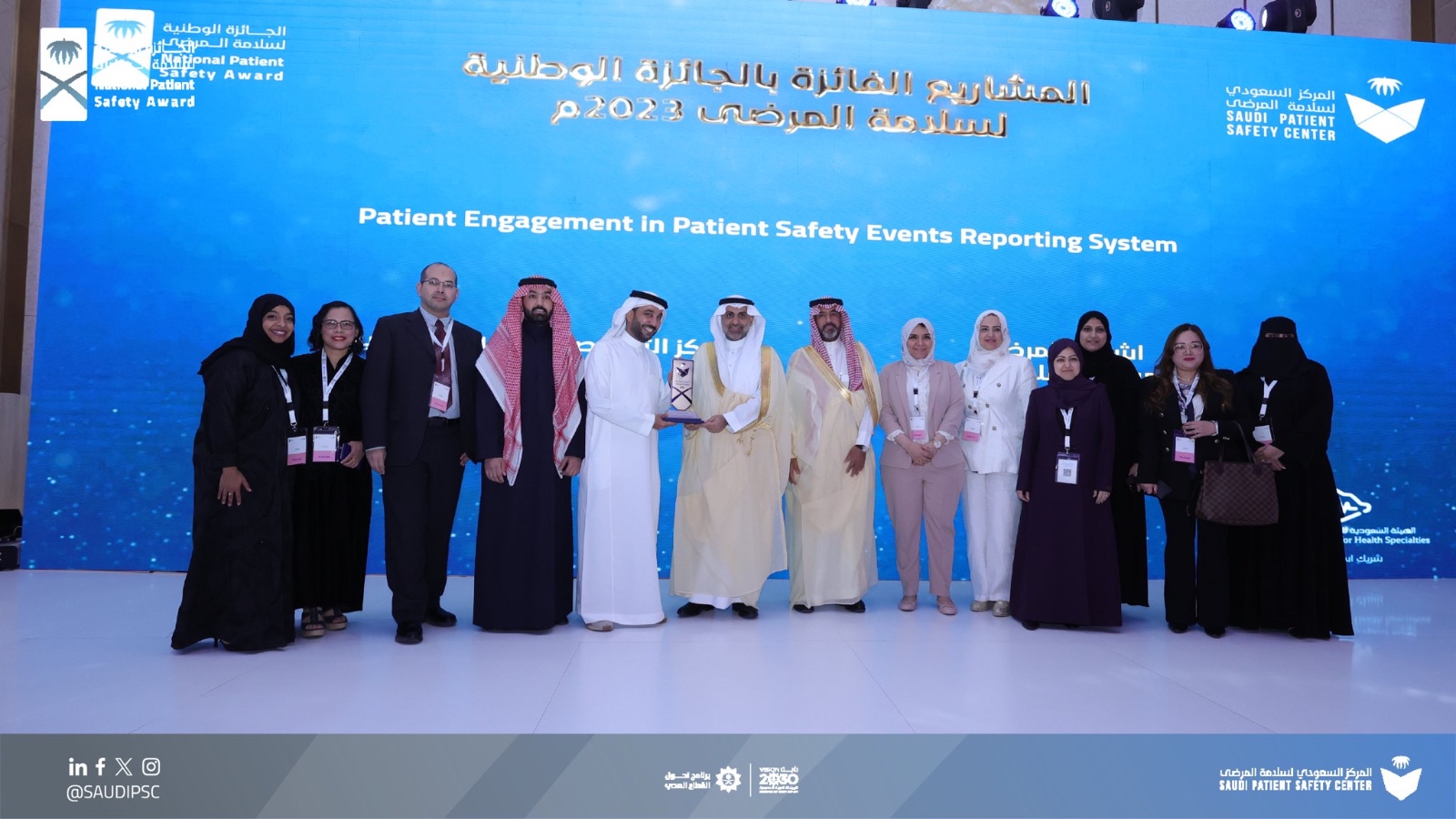
Promoting Parental Engagement for early expression of breast milk in mothers of preterm infants in the neonatal unit: a best practice implementation project
(Engaging Patients in Patient Safety)
King Saud Medical City_Riyadh
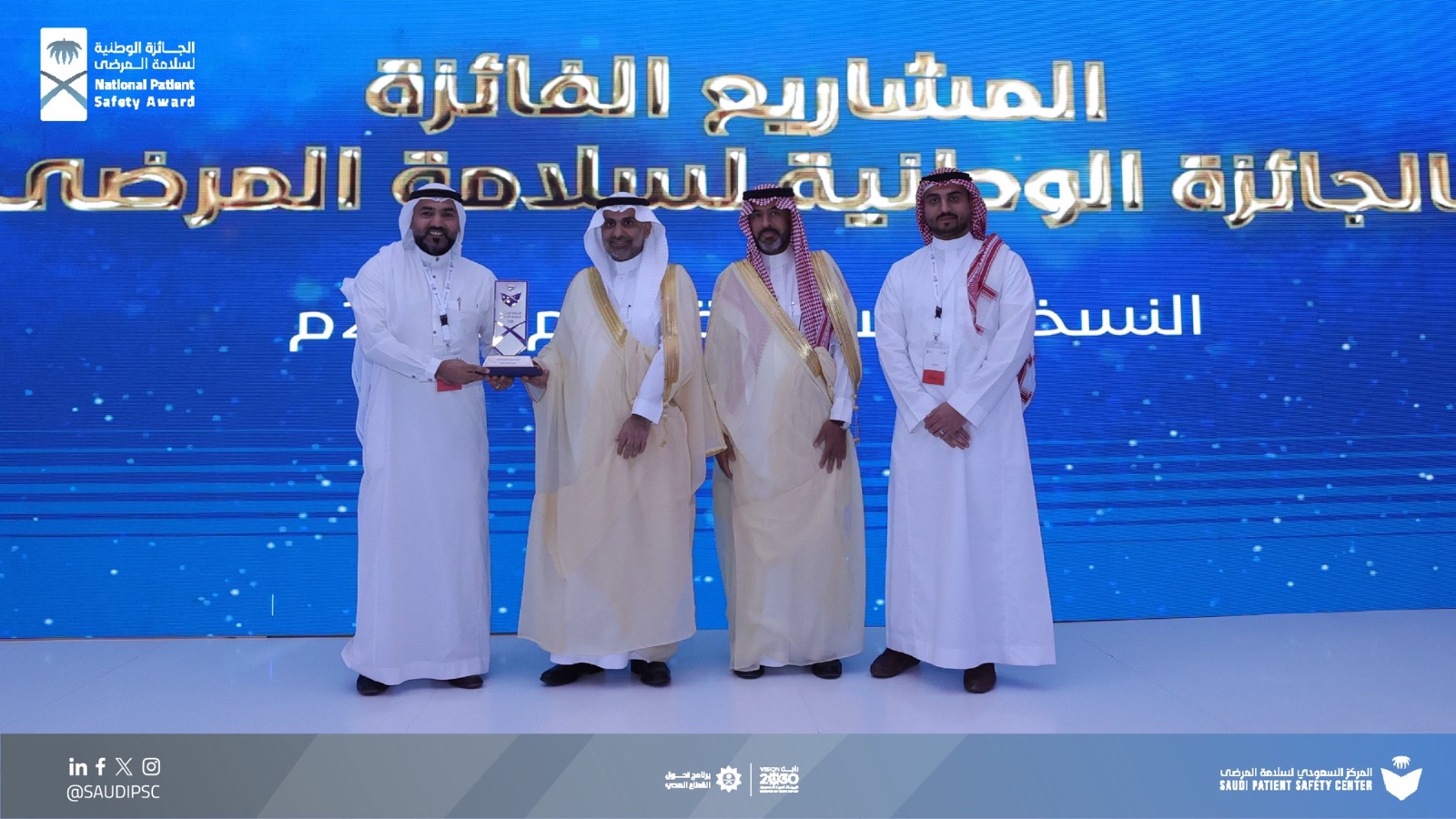
Optimizing the prescribing and dispensing of Human Albumin %20 in medical setting
(Choosing Wisely Track)
Hospital, King Fahad Al-Madinah Al-Munwar
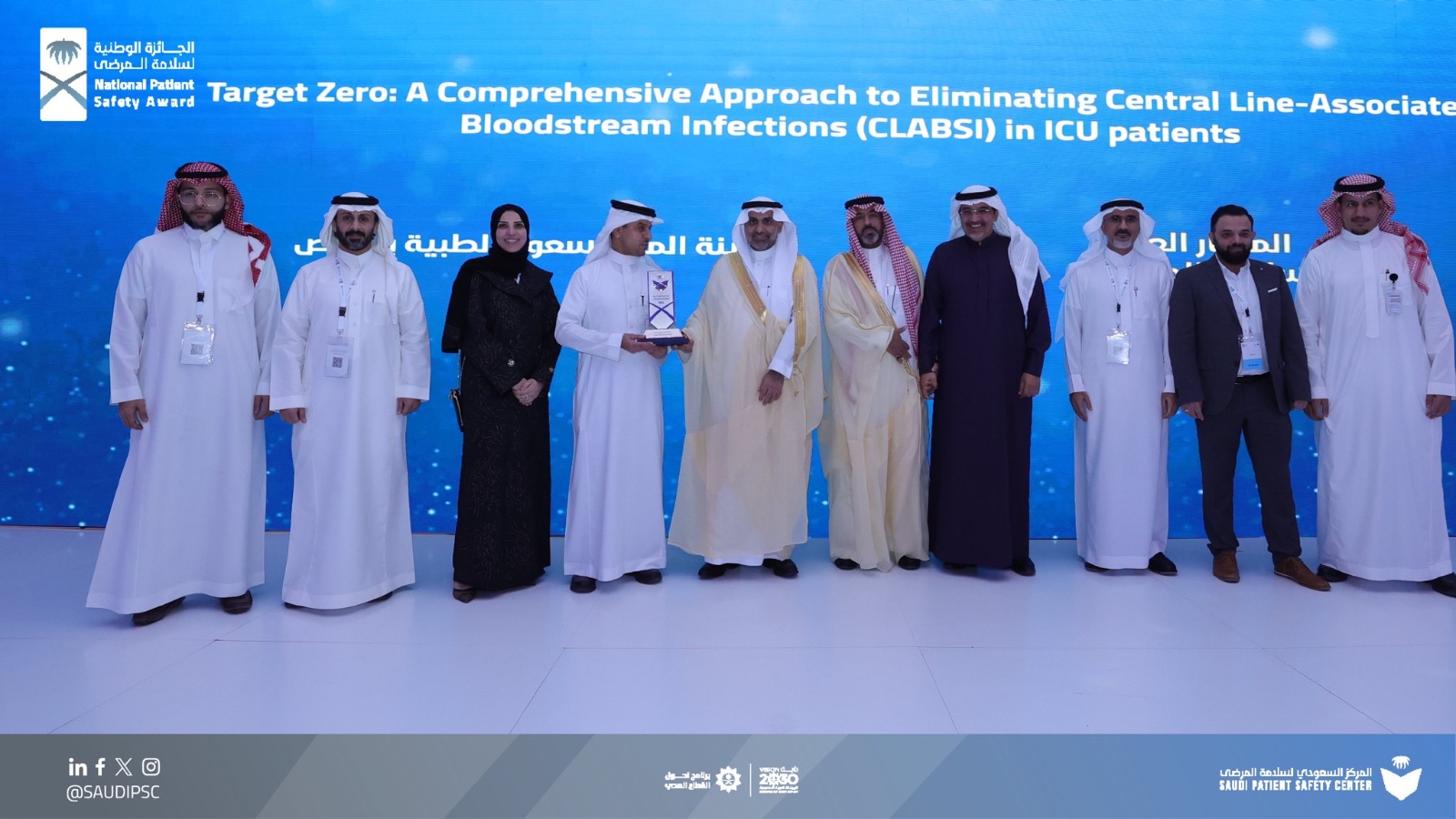
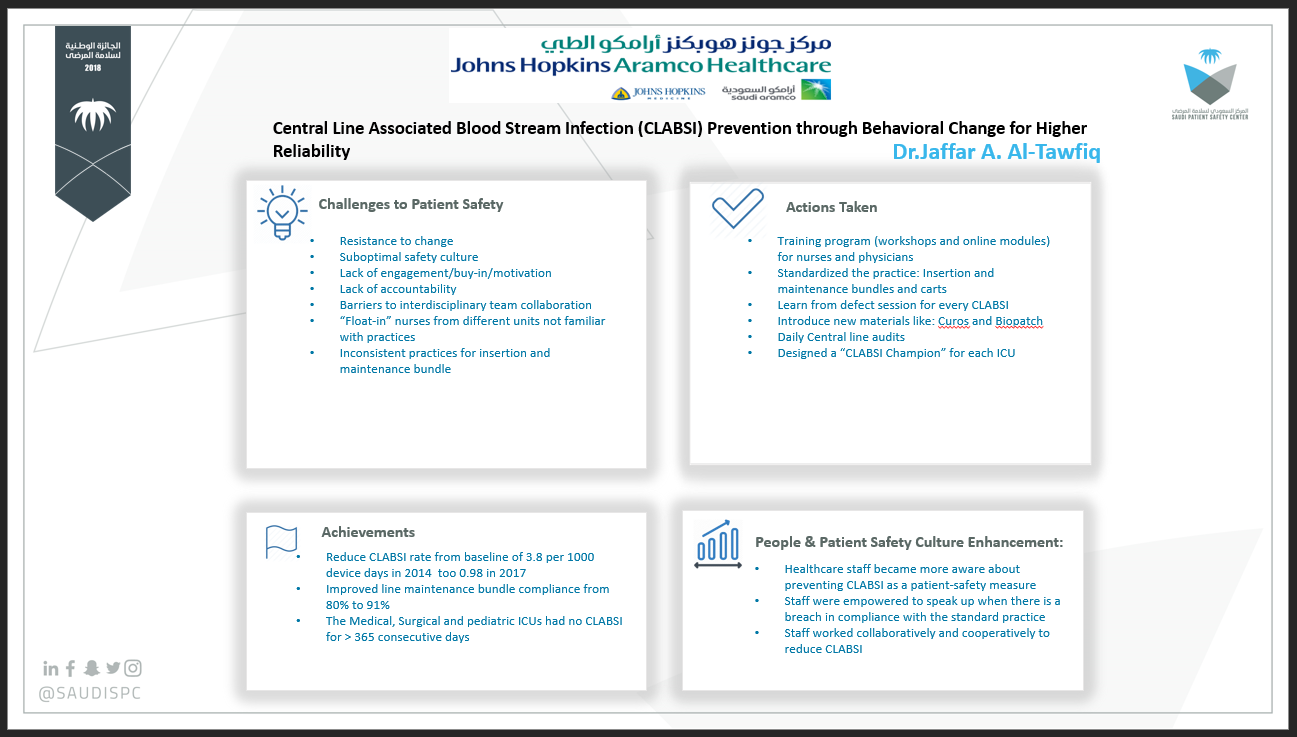
Infections (CLABSI) in ICU patients
(General Patient Safety Track)
King Saud Medical City_Riyadh
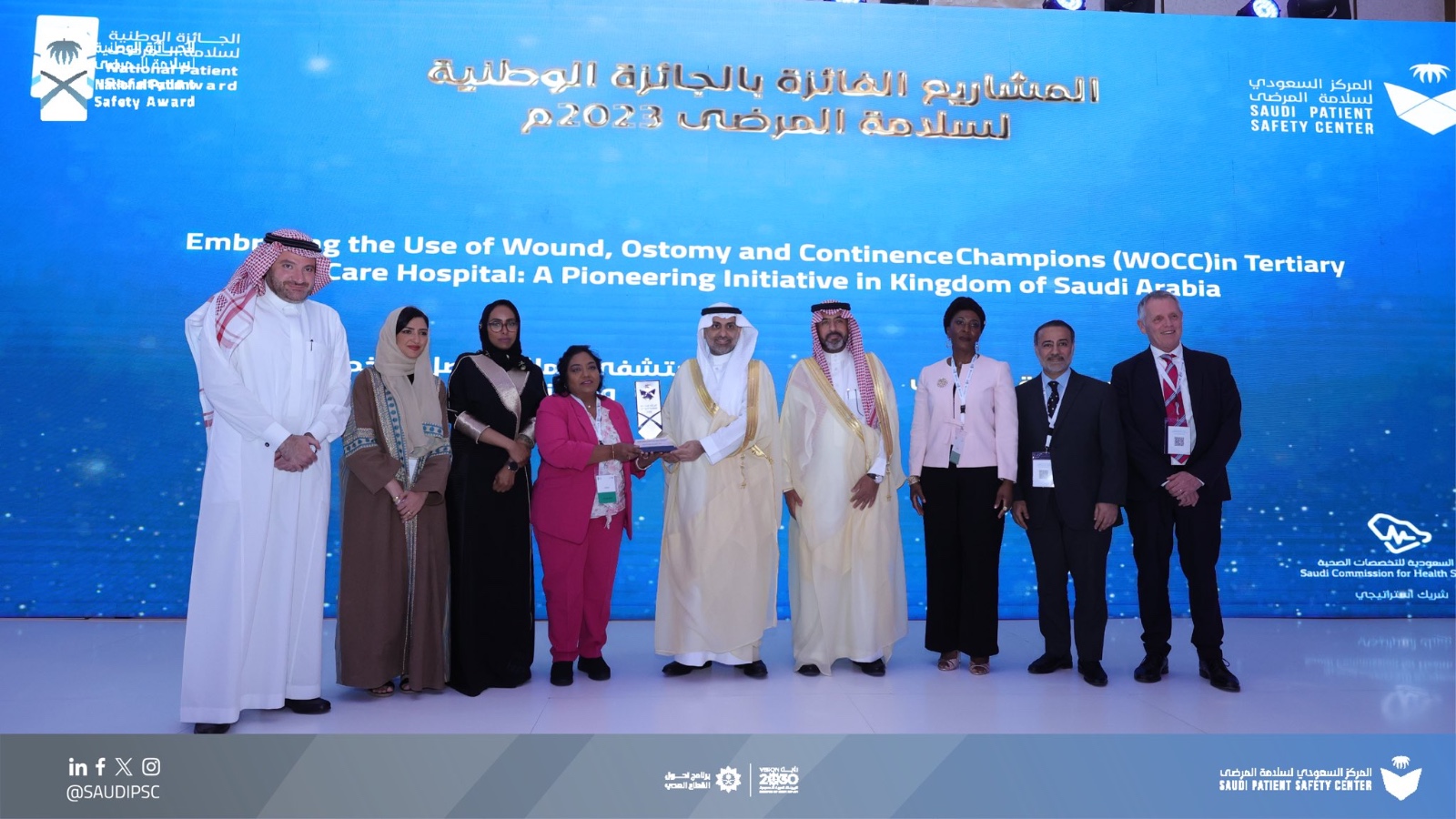
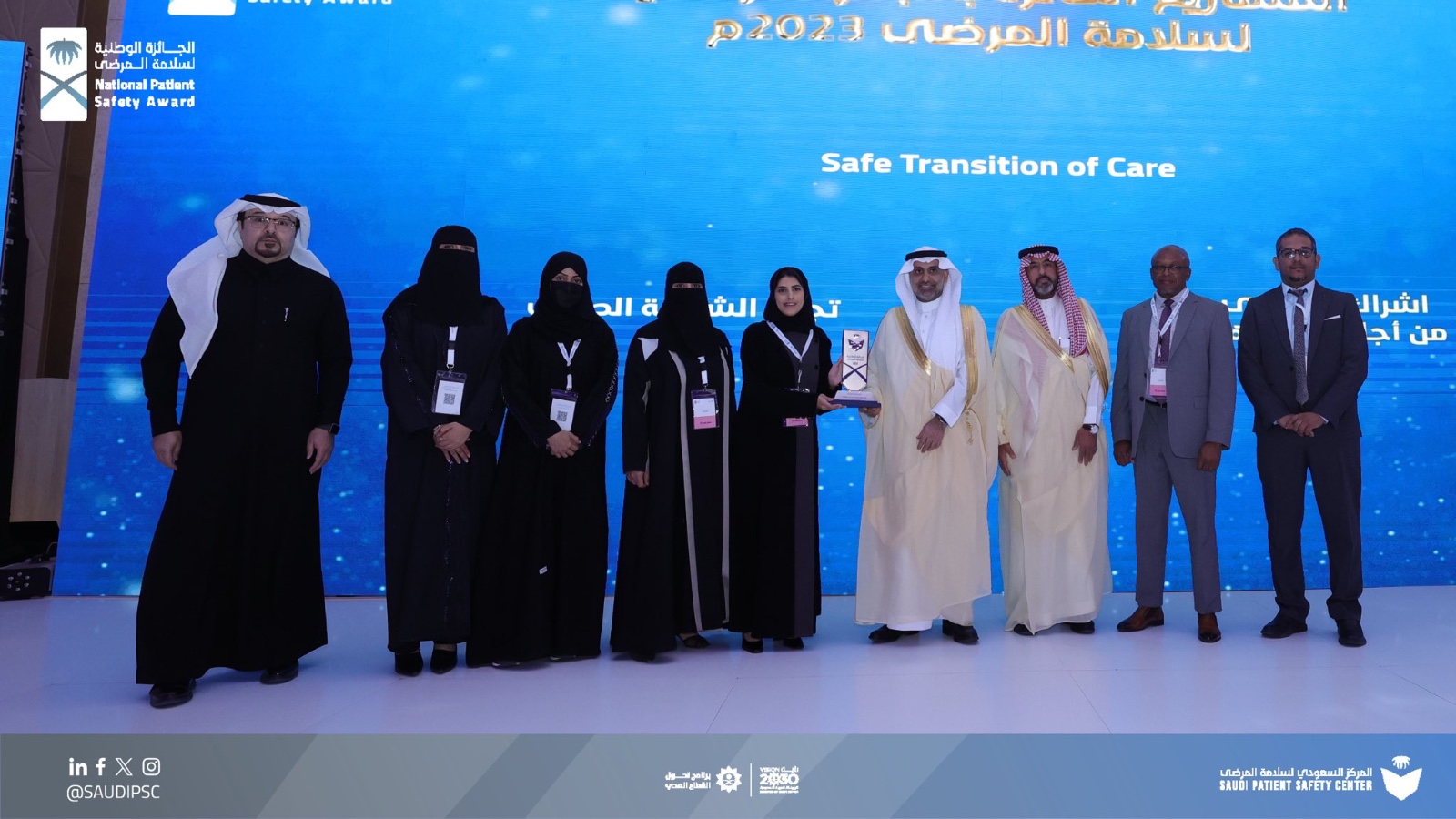
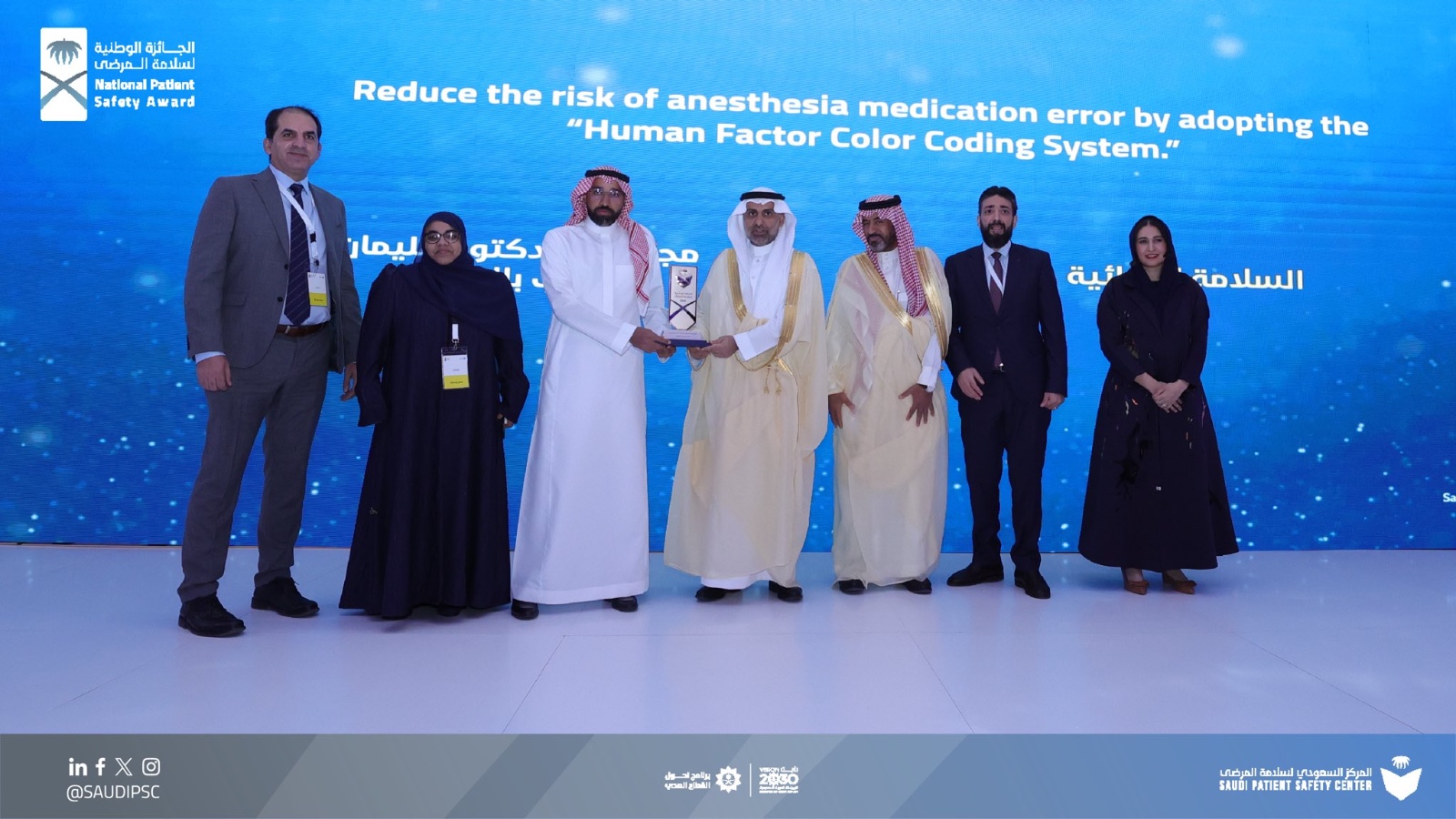
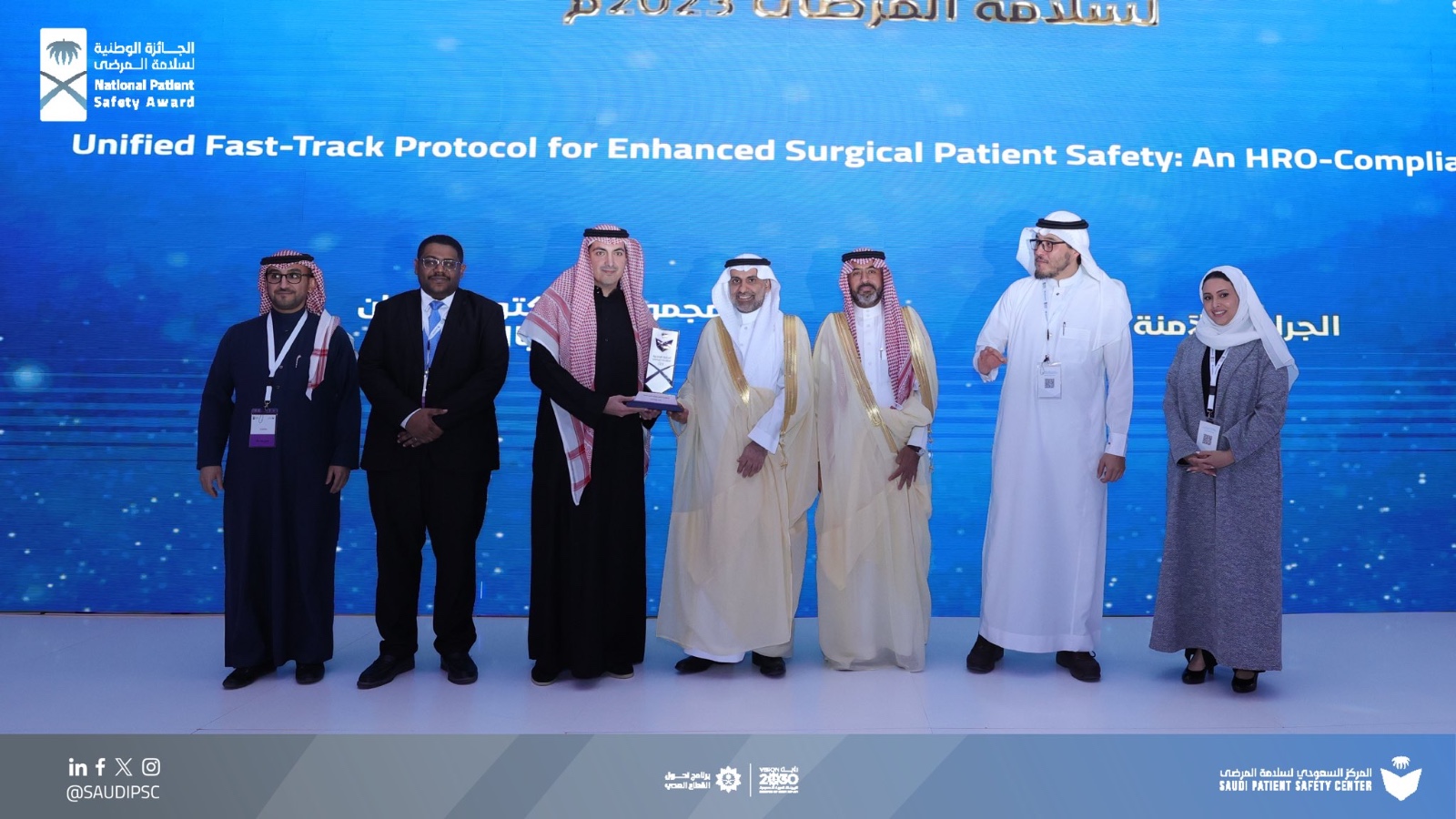
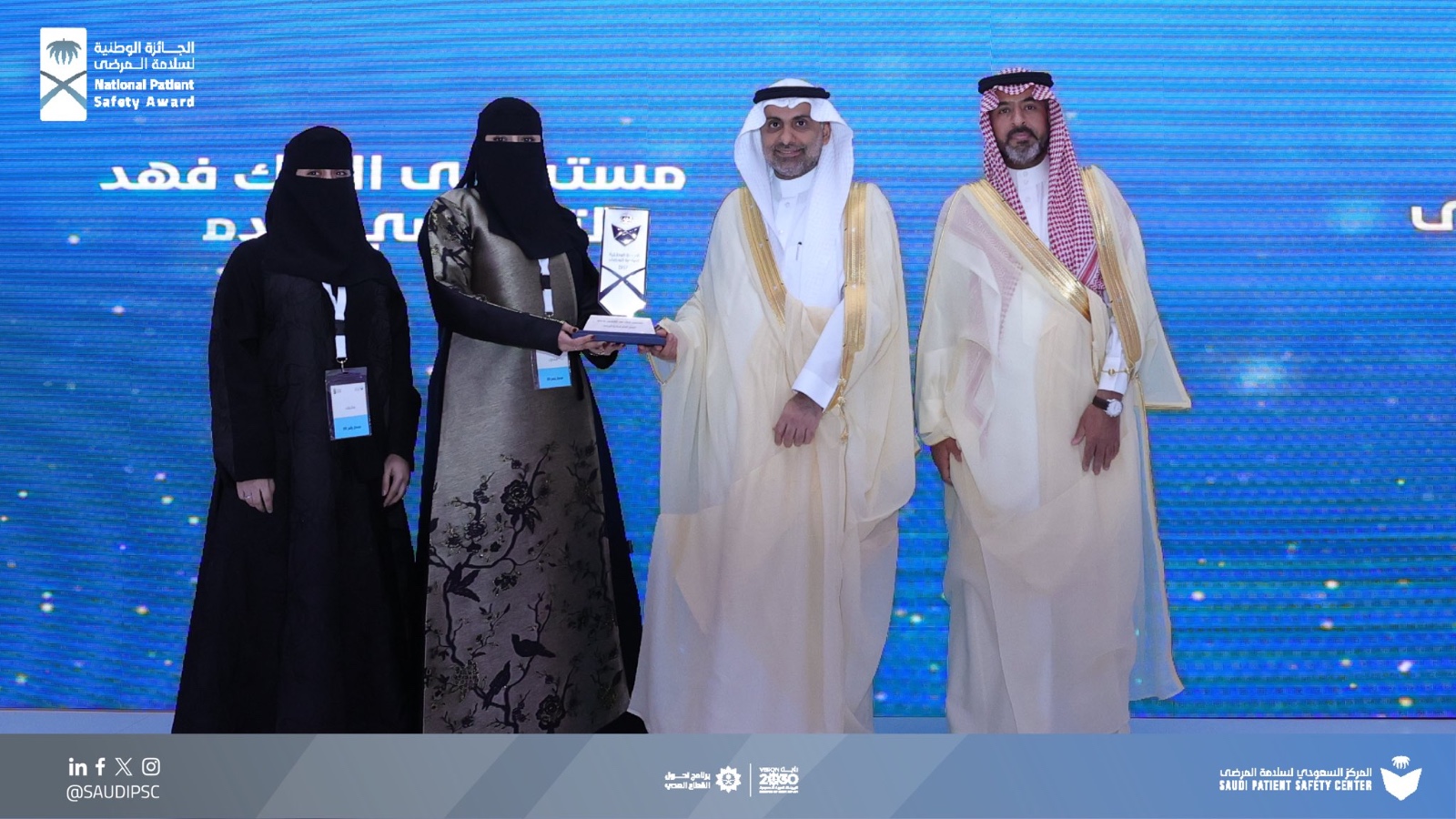
Outpatient parenteral (IV) antimicrobial (or antibiotic) therapy (OPAT)
(General Patient Safety Track)
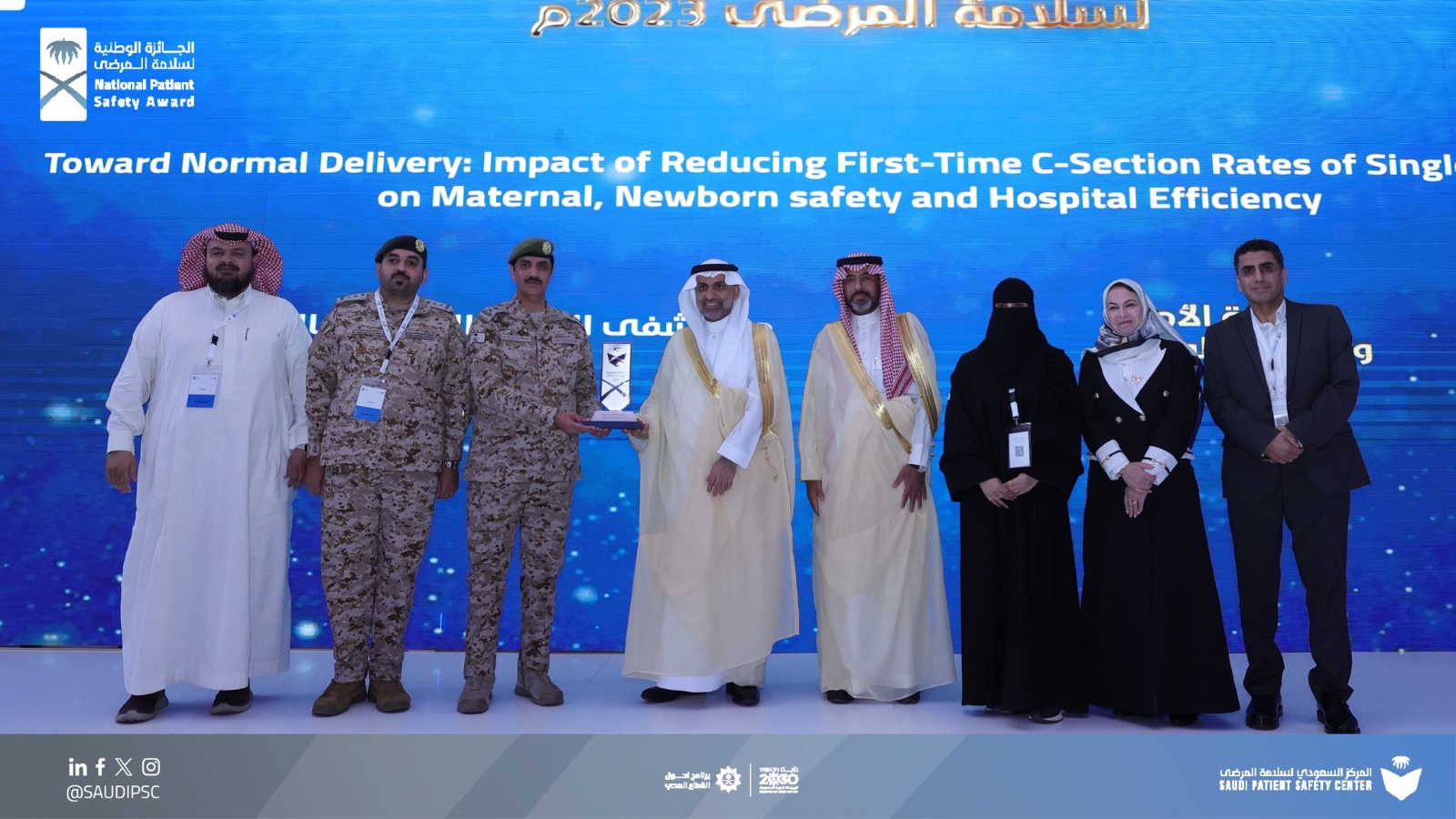
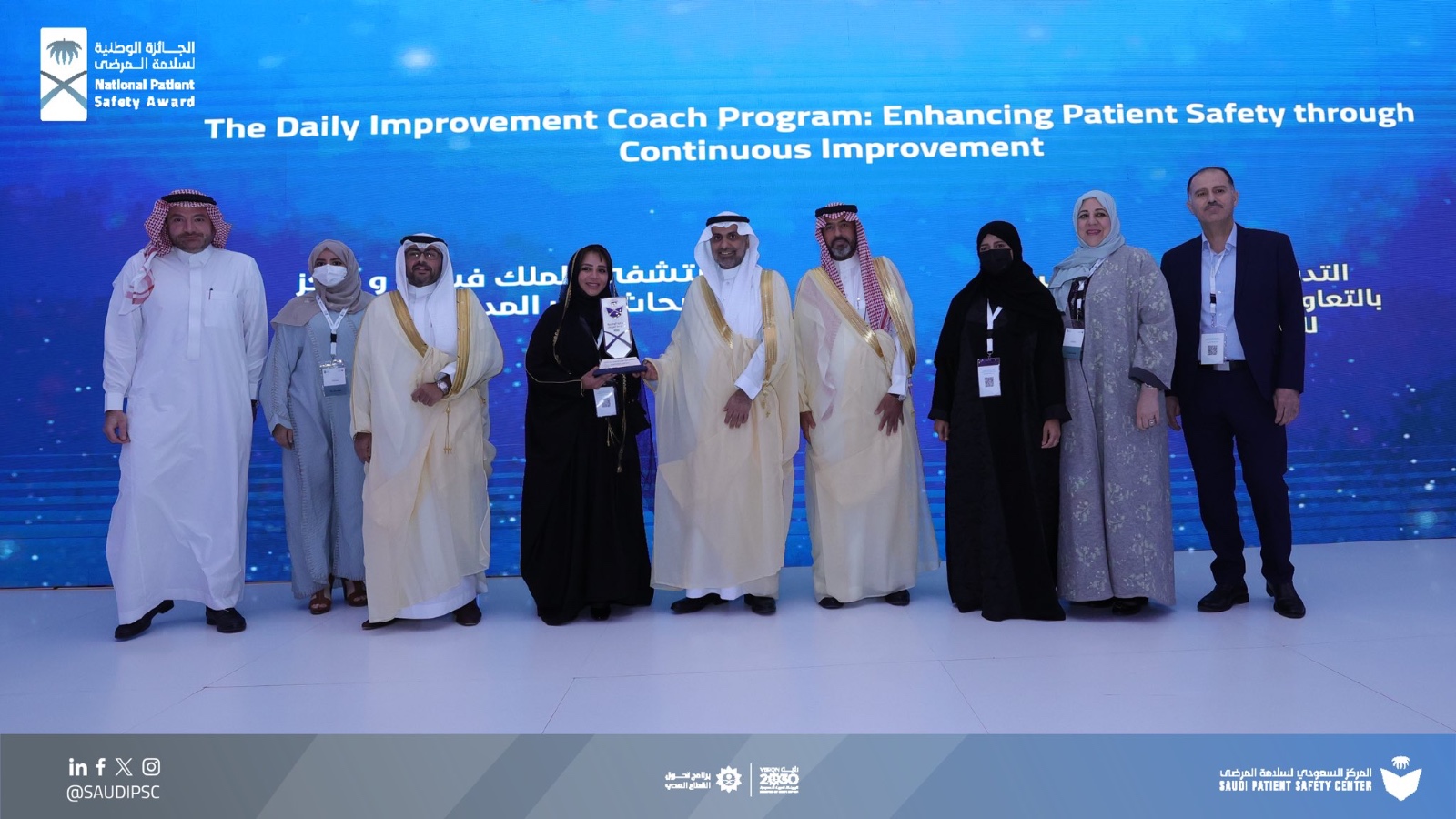
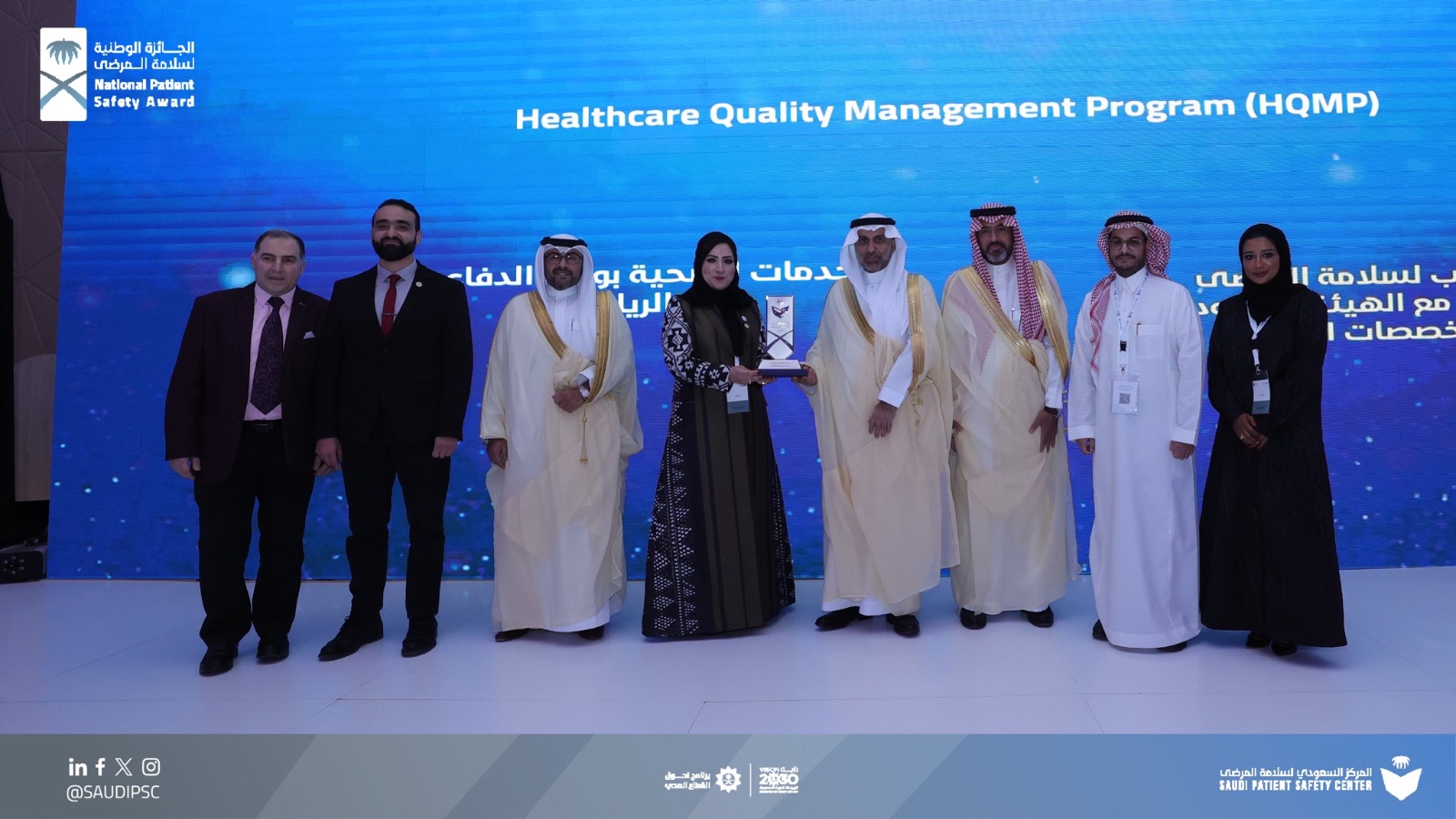
Ministry of Defense Healthcare Services Riyadh
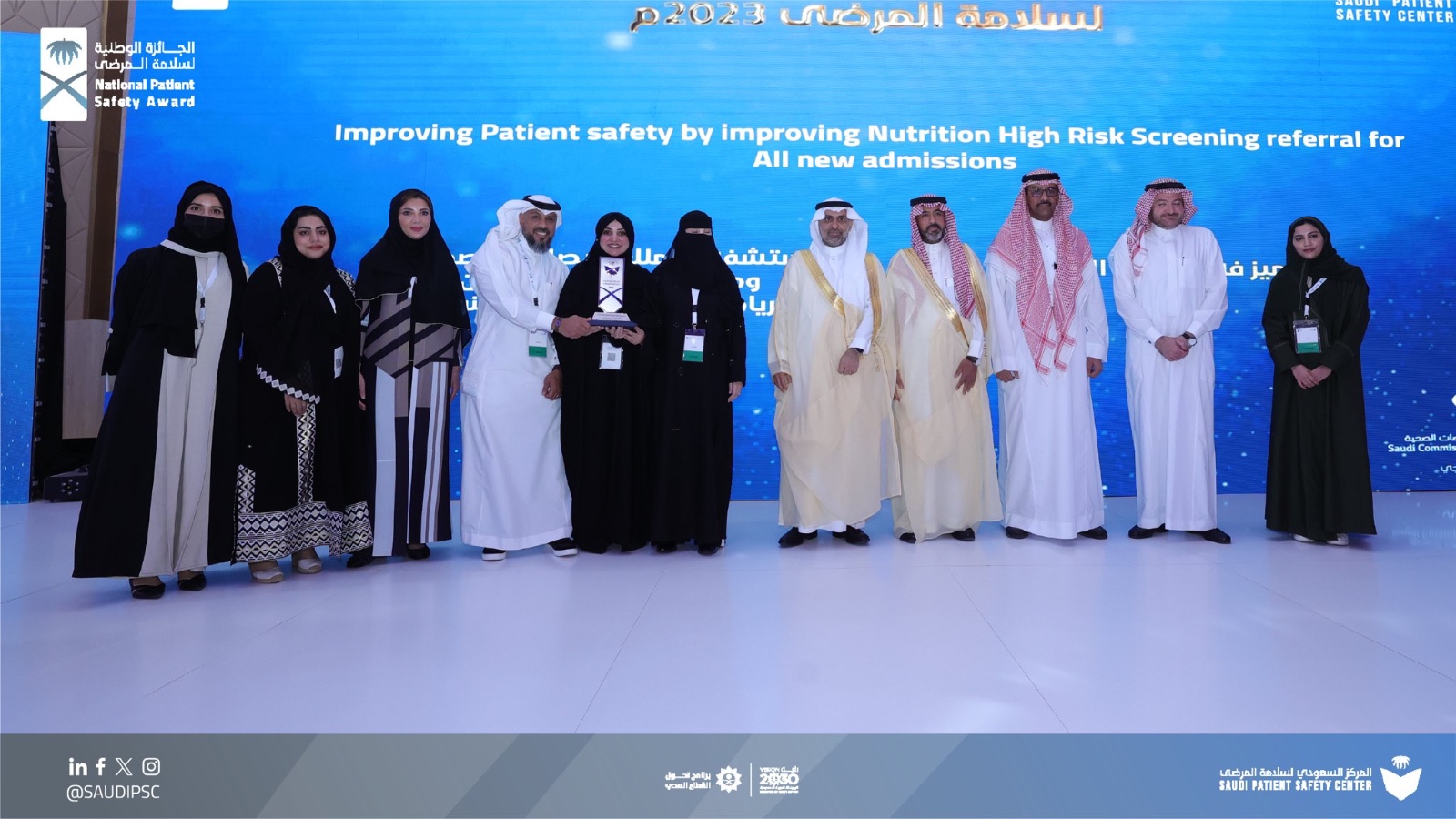
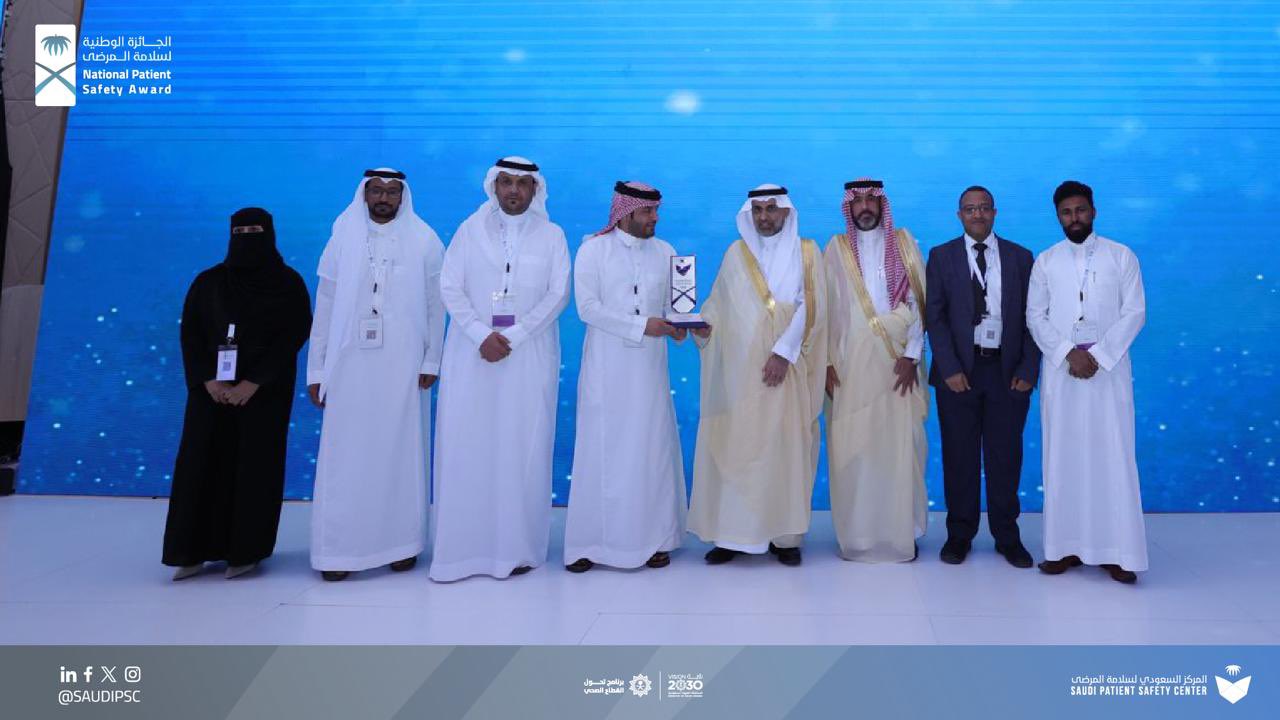
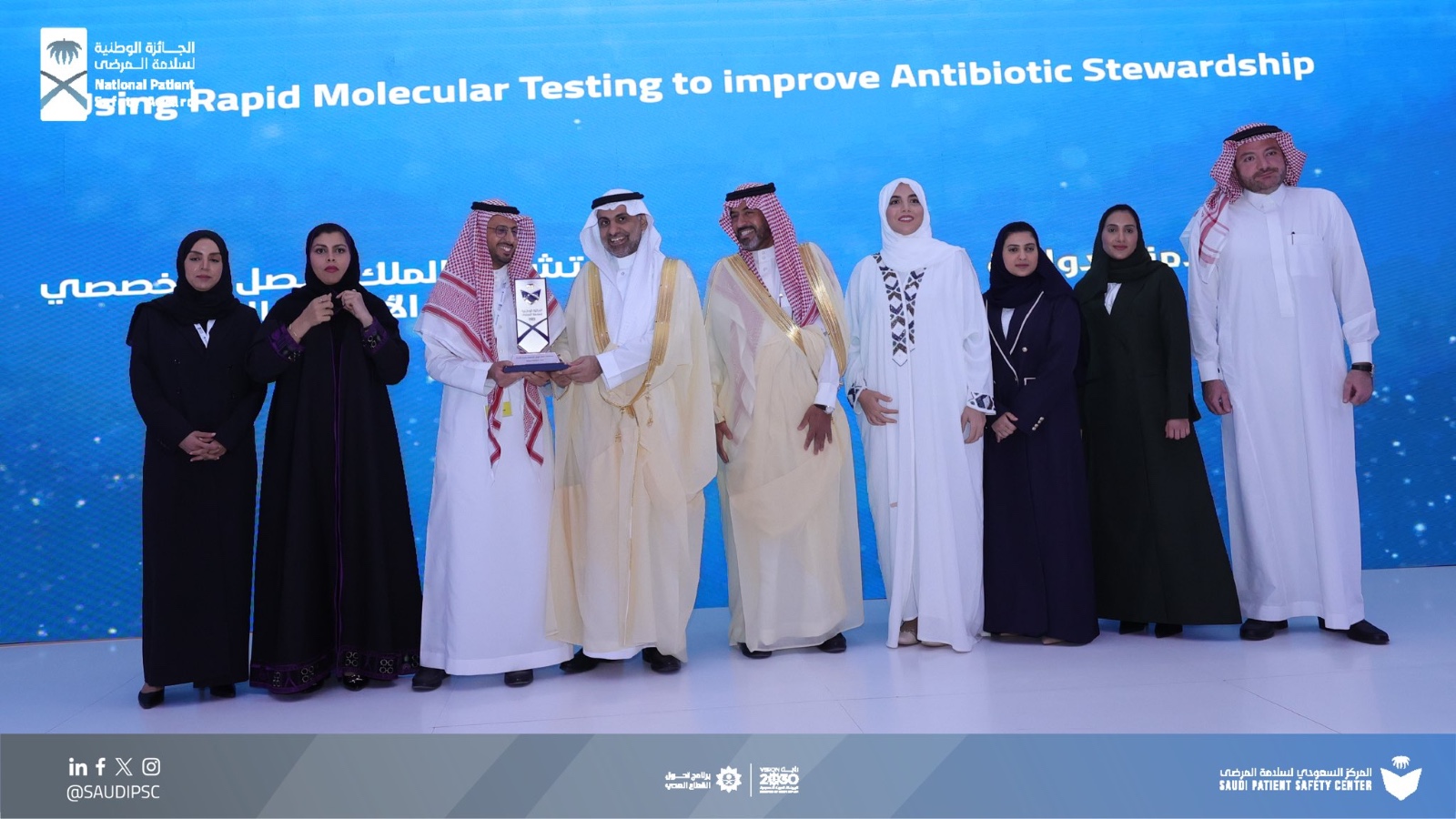
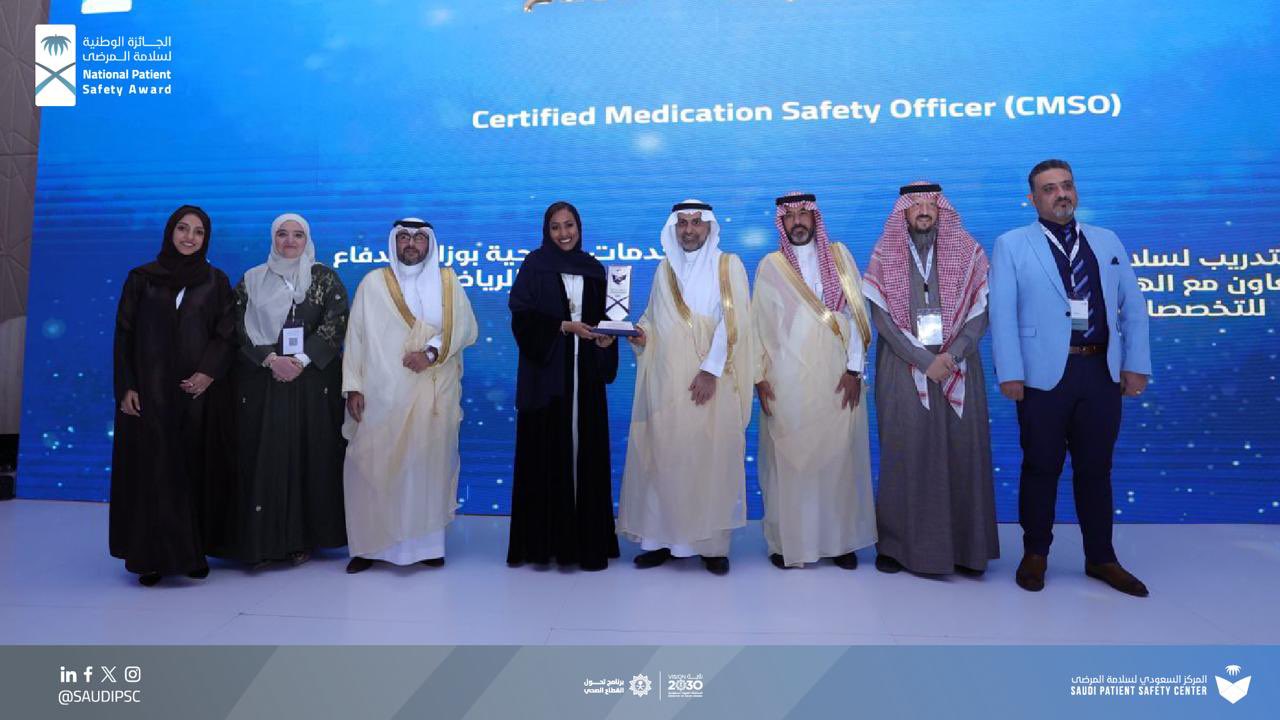
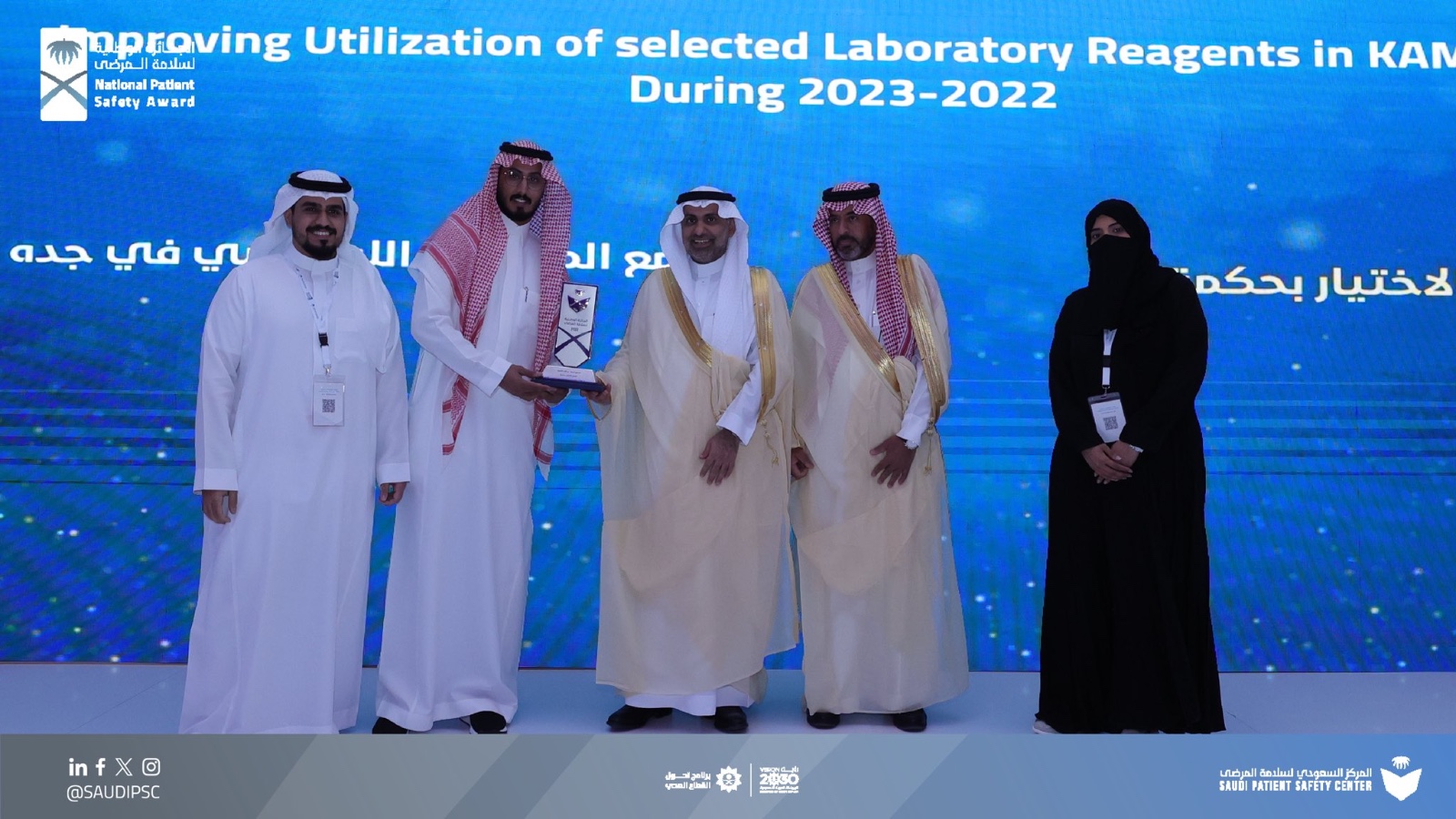
King Abdullah Medical Complex – Jeddah
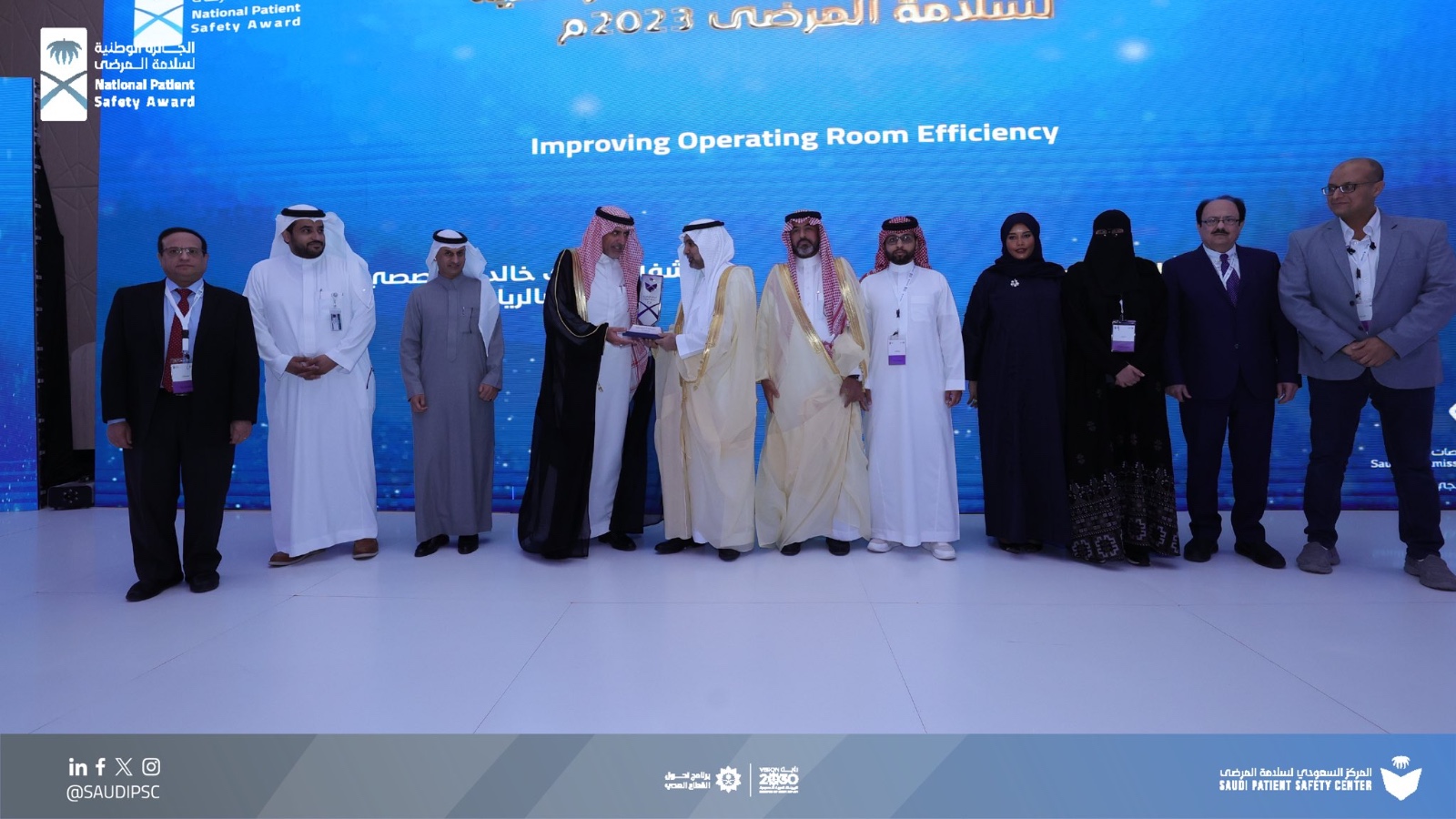
Imrpoving Operating Rom Efficiency
| Choosing Wisely Track | |
 Reducing Vitamin D Laboratory Testing at Outpatient Clinics in a Tertiary Cardiac Centre Prince Sultan Cardiac Center | |
 Proton Pump Inhibitors (PPIs) Stewardship International Medical Center | |
%20at%20King%20Abdulaziz%20University%20(KAU).jpg)
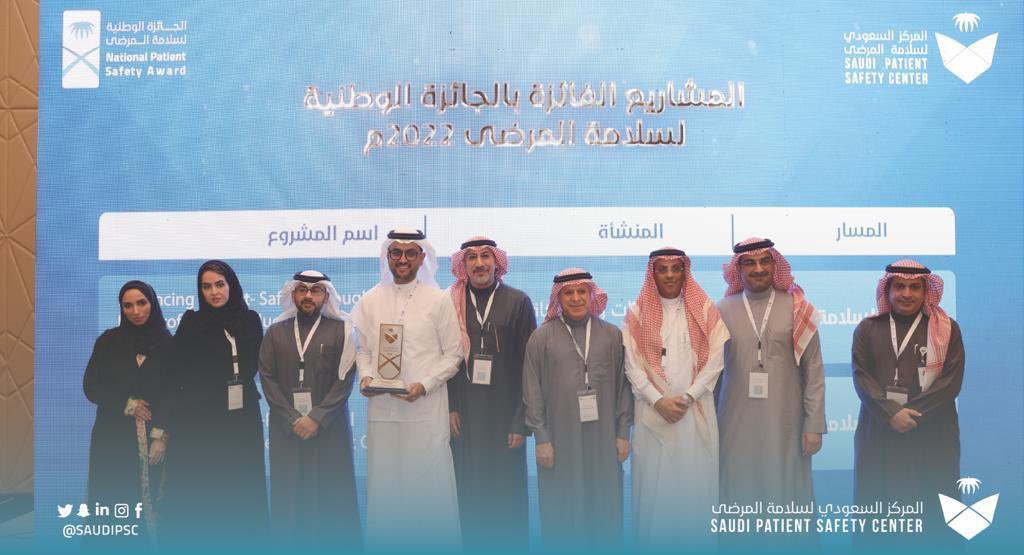
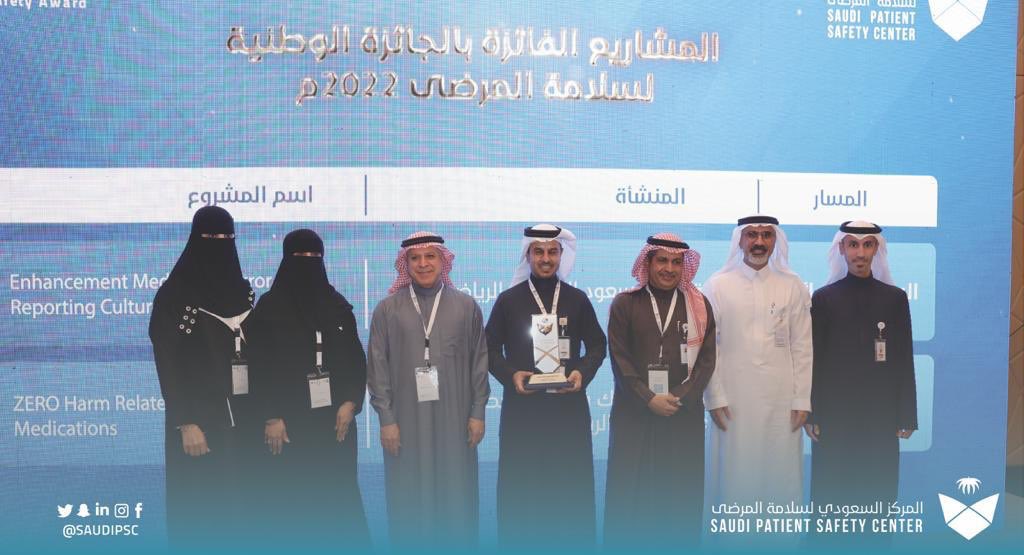
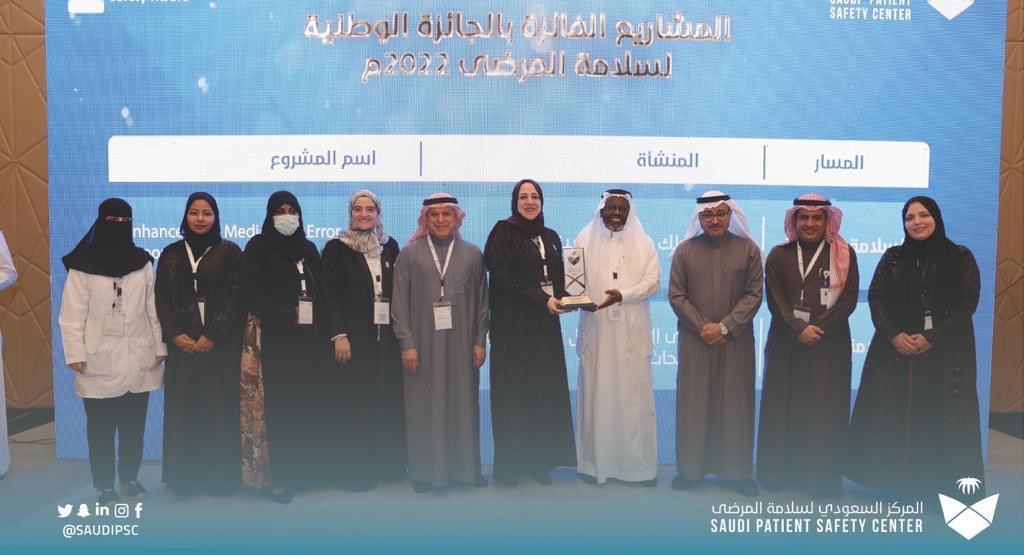
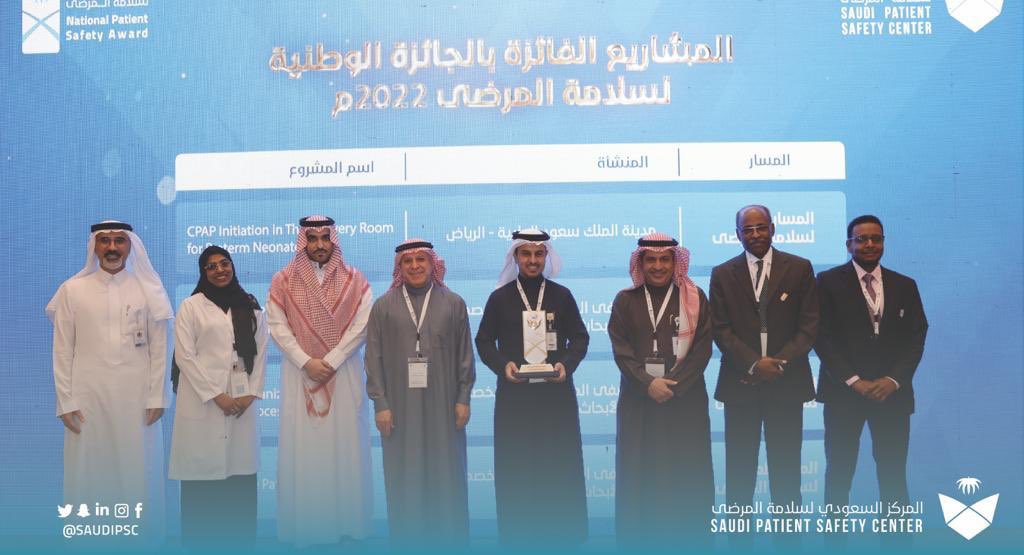
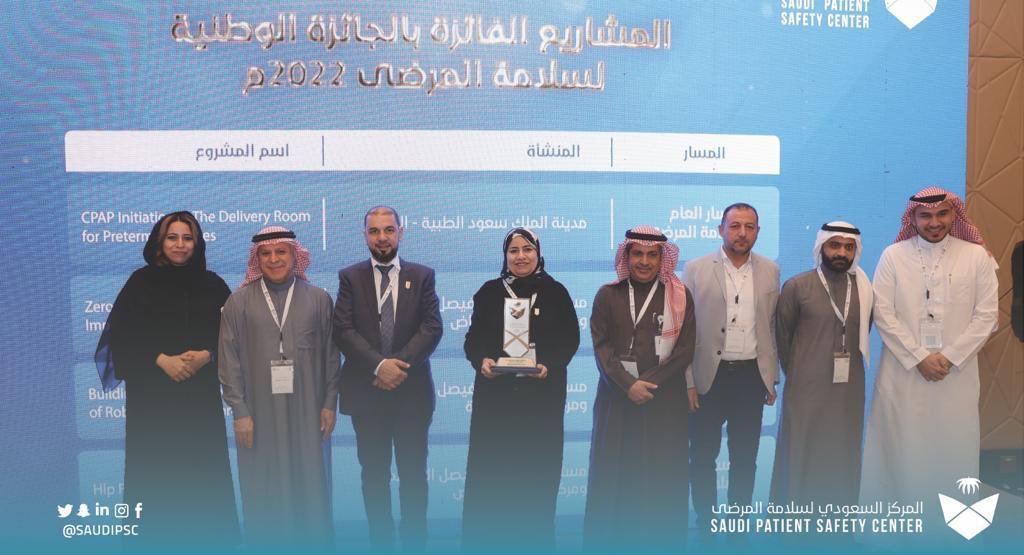
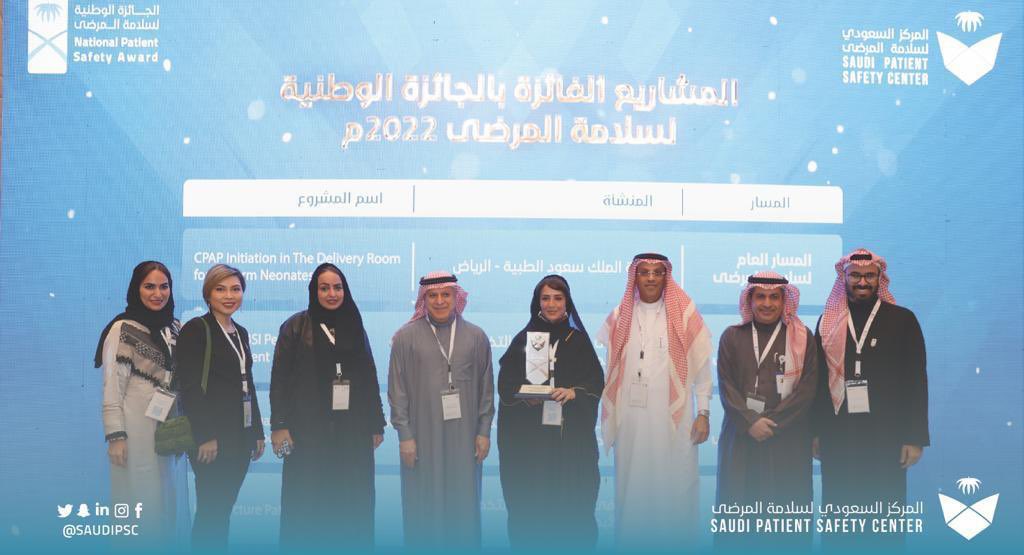
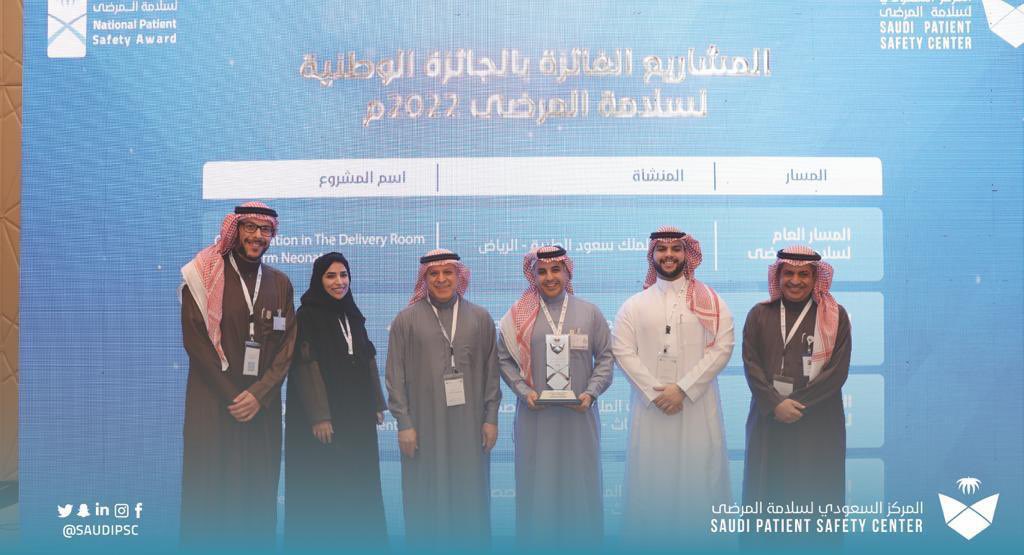
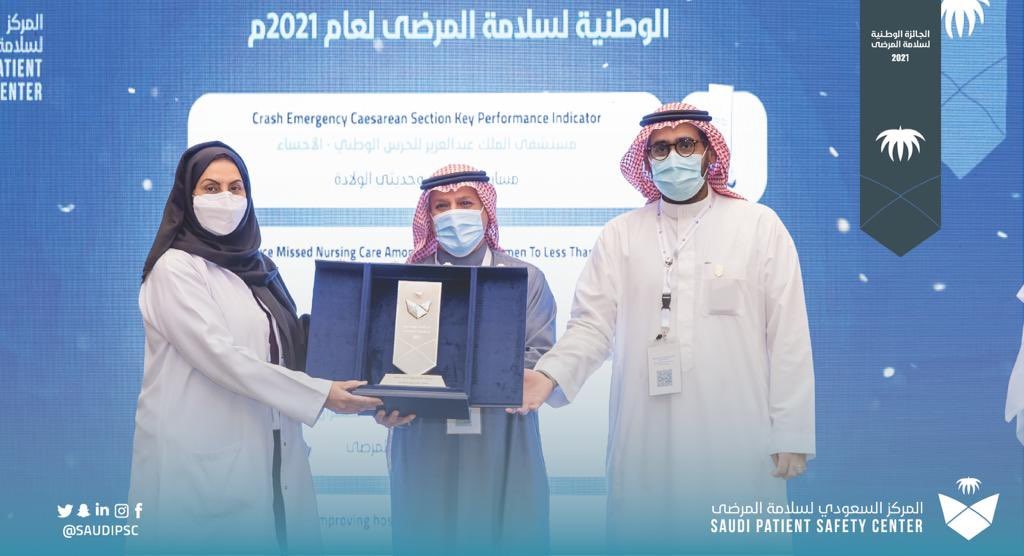
Health Services General Directorate, Ministry of Defense
General Patient Safety Track
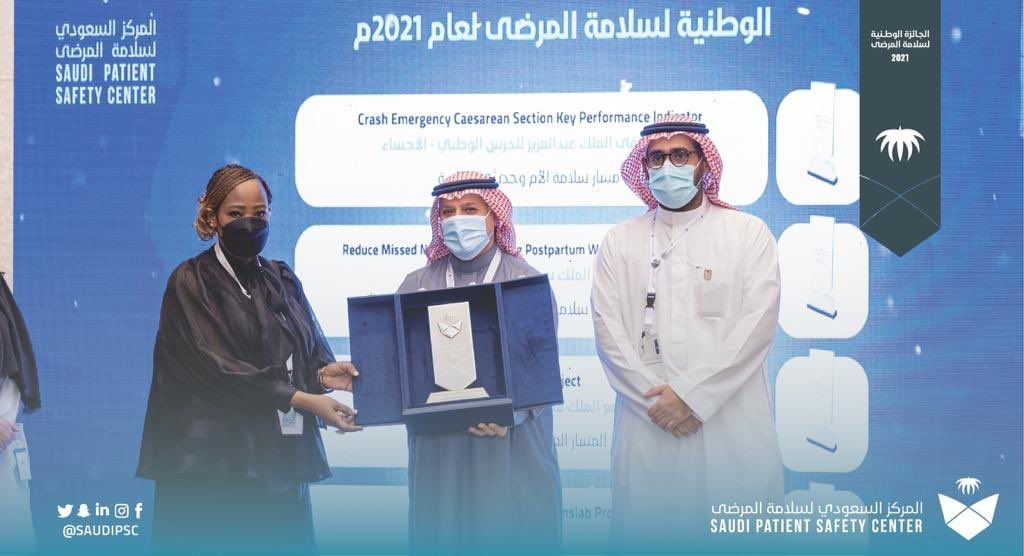
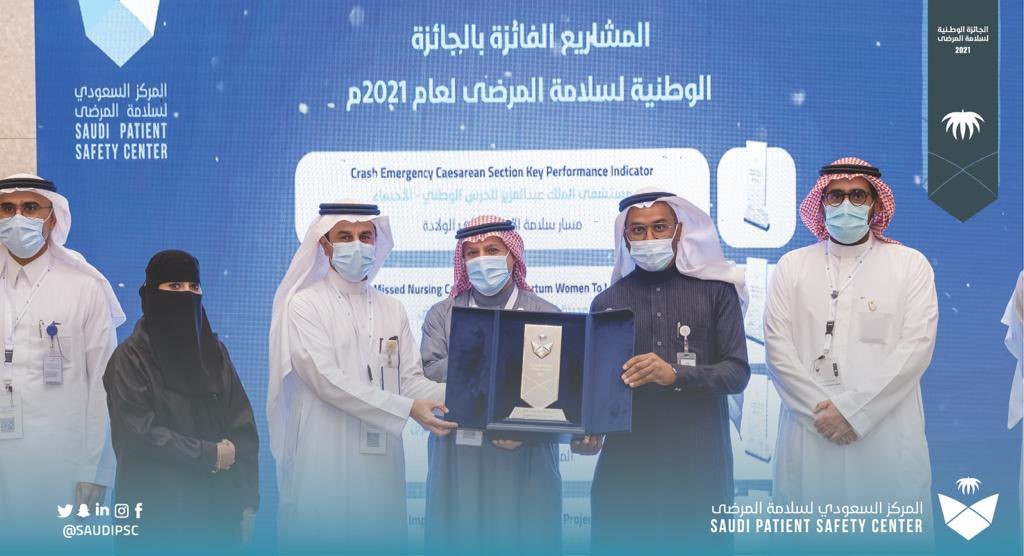
King Abdulaziz Hospital - Al Ahsa


![PHOTO-2020-03-03-11-15-57[1].jpg](/assets/Awards/2019-award-winners/PHOTO-2020-03-03-11-15-57[1].jpg)
![PHOTO-2020-03-03-11-15-58[1].jpg](/assets/Awards/2019-award-winners/PHOTO-2020-03-03-11-15-58[1].jpg)
![PHOTO-2020-03-03-11-15-58[2].jpg](/assets/Awards/2019-award-winners/PHOTO-2020-03-03-11-15-58[2].jpg)
![PHOTO-2020-03-03-11-15-58[3].jpg](/assets/Awards/2019-award-winners/PHOTO-2020-03-03-11-15-58[3].jpg)
![PHOTO-2020-03-03-11-15-59[1].jpg](/assets/Awards/2019-award-winners/PHOTO-2020-03-03-11-15-59[1].jpg)
![PHOTO-2020-03-03-11-16-00[1].jpg](/assets/Awards/2019-award-winners/PHOTO-2020-03-03-11-16-00[1].jpg)
![PHOTO-2020-03-03-11-16-00[2].jpg](/assets/Awards/2019-award-winners/PHOTO-2020-03-03-11-16-00[2].jpg)
![PHOTO-2020-03-03-11-15-59[2].jpg](/assets/Awards/2019-award-winners/PHOTO-2020-03-03-11-15-59[2].jpg)